
Sinking Funds: Budgeting for Costs That Aren't Monthly
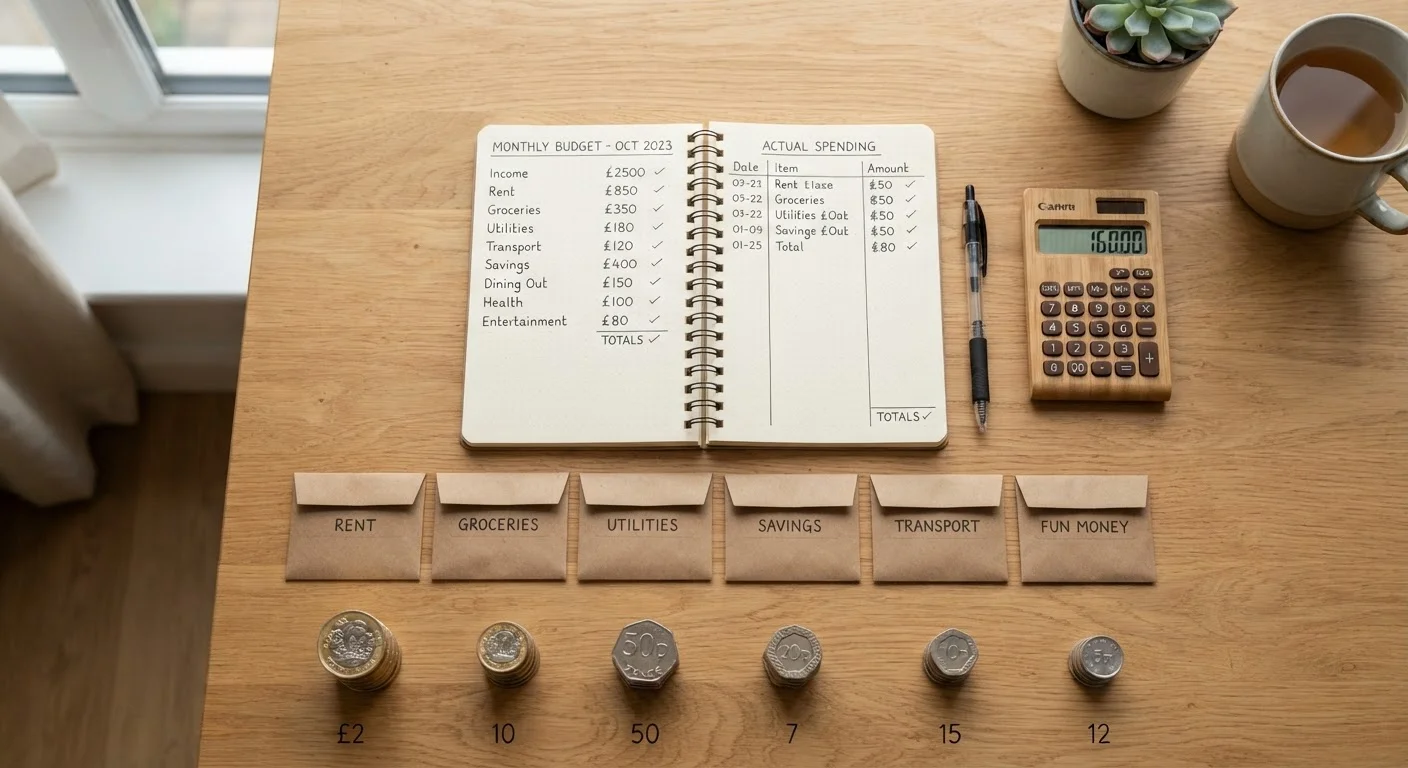
Photo credit: TopInfoTabs.com | Easy Insights For Inspiration
In this article
Irregular expenses — car servicing, insurance renewals, holidays — can derail any budget. Sinking funds are how you plan for them.
Key Takeaways
- Sinking funds smooth out irregular, predictable expenses so they don't derail your monthly budget.
- They differ from emergency funds, which cover genuinely unexpected costs like job loss or medical bills.
- You calculate a sinking fund contribution by dividing the total expected cost by the months until it's due.
- Common sinking fund categories include car maintenance, home repairs, travel, and annual subscriptions.
- Even small monthly contributions compound into meaningful buffers over time.
Why Irregular Expenses Break Budgets
Most budgets are built around monthly thinking - rent, utilities, groceries, subscriptions. That framework works well for recurring costs, but it quietly ignores a whole category of expenses that are just as real and just as certain: the ones that don't arrive every 30 days.
Car registration. Annual renters insurance. Back-to-school shopping. Holiday gifts. A dental visit not fully covered by insurance. These expenses are predictable in the sense that you know they're coming - yet they still blindside people month after month. When they hit, many households scramble: they raid their savings, carry a credit card balance, or simply go without.
The core problem isn't a lack of discipline. It's a structural gap in how the budget was designed. Sinking funds close that gap. If you're still building the foundation of your monthly spending plan, our step-by-step guide to monthly budgeting is a good place to start before layering in sinking funds.
How a Sinking Fund Works
The mechanics are straightforward. You identify a future expense, estimate its total cost, determine when it's due, and divide the total by the number of months you have to save. That figure becomes a monthly line item in your budget - no different from a utility bill.
For example, if your car's annual service and registration together cost roughly $600 and you have 12 months to prepare, you set aside $50 per month into a dedicated category. When the bill arrives, the money is there. No scrambling, no debt.
1 in 3
Americans cannot cover a $400 unexpected expense without borrowing
According to the Federal Reserve's Report on the Economic Well-Being of U.S. Households, a significant share of Americans lack the liquid savings to absorb even modest financial shocks.
$5,000+
Average annual irregular household expenses
Financial planning practitioners commonly estimate that predictable but non-monthly expenses - vehicle costs, home upkeep, travel, and annual fees - total several thousand dollars per year for a typical household.
The term 'sinking fund' originated in government and corporate finance, where entities set aside money to retire debt obligations over time. In personal finance, the concept is repurposed: instead of retiring debt, you're pre-funding a known future outflow. The principle - steady, deliberate accumulation - is identical.
For a broader glossary of budgeting terms like this one, see our personal budgeting glossary.
Sinking Funds vs. Emergency Funds: A Critical Distinction
These two tools are frequently confused, but they serve fundamentally different purposes. Understanding the distinction matters because mixing them undermines the effectiveness of both.
An emergency fund exists for genuinely unpredictable events - a layoff, an unexpected medical crisis, a sudden appliance failure. It should remain untouched for non-emergencies. A sinking fund, by contrast, is for costs you already know are coming. Using your emergency fund to pay for holiday gifts or a planned vacation erodes a financial safety net that took real effort to build.
Sinking Funds and Your Emergency Fund Are Not the Same Account
Keeping these funds separate - even at the same bank - is important. When your emergency fund doubles as a catch-all for predictable expenses, it's rarely at the level you actually need when a true emergency occurs. Sub-accounts or labeled savings buckets help maintain this boundary without requiring multiple banks.
Think of it this way: if you could have put it on a calendar months ago, it belongs in a sinking fund. If it came out of nowhere, that's what the emergency fund is for.
Common Sinking Fund Categories
There's no single right list - your sinking funds should reflect your own predictable, irregular expenses. That said, these categories apply to a wide range of households:
- Vehicle costs: Registration, annual service, tires, and inspections
- Home maintenance: HVAC servicing, pest control, seasonal repairs
- Travel and holidays: Flights, hotels, holiday gifts, and seasonal entertaining
- Annual subscriptions and memberships: Software, gym memberships, professional dues
- Medical and dental: Anticipated co-pays, dental cleanings, vision care
- Back-to-school: Supplies, clothing, activity fees
Start by auditing your past 12 months of bank and credit card statements. Every non-monthly expense that appeared is a candidate for its own sinking fund. This complete personal budgeting framework walks through how to do that audit systematically.
Putting It Into Practice
Setting up sinking funds doesn't require a sophisticated system. Here's a simple approach:
- List your known irregular expenses and their estimated annual costs.
- Divide each by 12 (or by the months remaining until it's due).
- Add each amount to your monthly budget as a fixed line item, treating it like any other bill.
- Transfer the amount each month into a separate savings account or labeled sub-account.
- Review annually - costs change, and so should your contributions.
People with variable or freelance income can adapt this approach by saving a percentage of each payment rather than a fixed dollar amount. Our article on budgeting on an irregular income covers frameworks built specifically for that situation.
Name Your Funds Specifically
Instead of one generic 'irregular expenses' account, label each fund by purpose - 'Car Registration,' 'Holiday Gifts,' 'Annual Dental.' Specific labels make it easier to track progress and harder to rationalize spending the money on something else.
This article is for general informational and educational purposes only and does not constitute personalized financial advice. Consult a qualified financial professional for guidance tailored to your individual circumstances.
Frequently Asked Questions

Author
Money & Finance Editorial Team
Money & Finance Editorial Team is the collective byline for our editorial team and contributor network. Articles published under this byline or an editorial pen name are researched, written, and reviewed according to our editorial standards for clarity, consistency, and independence before publication.
View all articles →