
Brake Pads vs. Brake Discs: Understanding the Difference and When Each Needs Attention
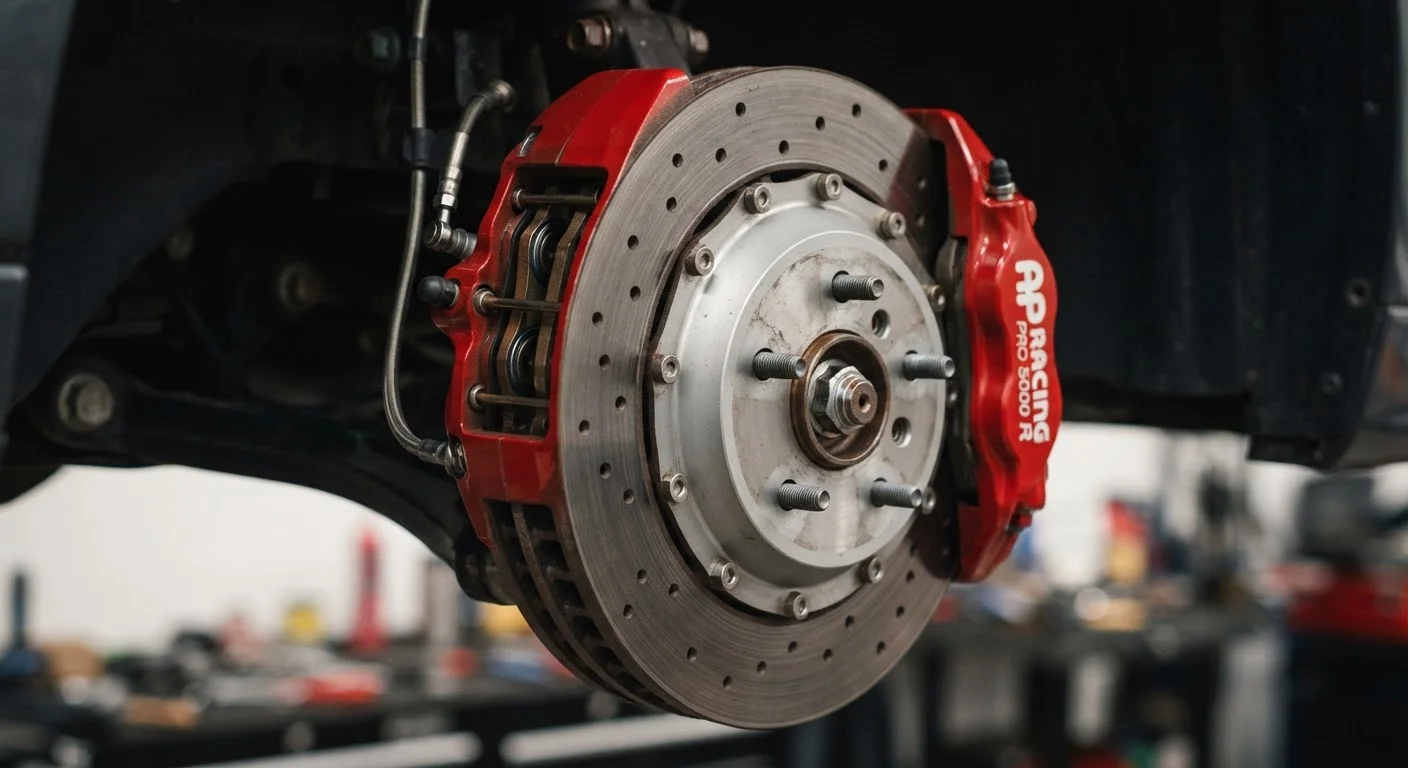
Photo credit: TopInfoTabs.com | Easy Insights For Inspiration
In this article
Brake pads and discs wear differently and fail differently. Here's how they work together and the signs that each one needs servicing.
Key Takeaways
- Brake pads are the friction material that clamps onto the disc to create stopping force.
- Brake discs are the rotating metal surface - they last longer than pads but do wear down over time.
- Worn pads left unaddressed will accelerate disc damage, leading to costlier repairs.
- Squealing typically signals worn pads; pulsation or vibration through the pedal often indicates disc issues.
- Both components should be inspected together whenever brake service is performed.
How Brake Pads and Discs Work Together
Every time you press the brake pedal, hydraulic pressure pushes the brake caliper - a clamp-like device - to squeeze two brake pads against a spinning metal disc (also called a rotor). The resulting friction converts kinetic energy into heat, slowing the vehicle. This system is called a disc brake assembly, and it's standard on most modern cars on all four wheels.
The key distinction is their roles: brake pads are the sacrificial friction material - engineered to wear down gradually so the disc doesn't have to. Brake discs are the more durable metal surface (typically cast iron or composite material) that pads press against. Think of pads as the pencil eraser and the disc as the paper - the eraser does the work and wears away, while the paper stays largely intact, though it's not immune to damage.
Because they work as a pair, the condition of one directly affects the other. Ignoring worn pads long enough will cause the metal backing plate to contact the disc directly, scoring or gouging the rotor surface. What started as a simple pad replacement can quickly become a disc replacement too - a significantly more expensive outcome. This is one of those habits that quietly shorten your car's lifespan that's easy to avoid with timely attention.
Signs Your Brake Pads Need Attention
Brake pads are designed with a built-in wear indicator - a small metal tab that contacts the disc when pad material gets too thin. This is what causes that high-pitched squeal many drivers recognise. A squeal that appears consistently when braking and disappears when you release the pedal is a reliable early warning. Don't confuse this with a brief squeak on a cold morning, which is usually moisture evaporating from the rotor surface.
Other signs of worn pads include:
- Reduced stopping responsiveness - the car takes longer to slow than it used to
- Grinding noise - typically means the pad is fully exhausted and metal is contacting metal
- Visible thinness - through the wheel spokes, pads less than roughly 3mm thick warrant replacement
If you're hearing unfamiliar sounds, our guide on noises your car makes and what they generally indicate can help you interpret what you're hearing before heading to a shop.
| Criterion | Brake Pads | Brake Discs (Rotors) |
|---|---|---|
| Function | Friction material that clamps the disc | Rotating metal surface pads grip against |
| Typical lifespan | 25,000-65,000 miles | 50,000-70,000+ miles |
| Replacement frequency | More frequent - consumable by design | Less frequent - replaced when worn or damaged |
| Key warning sign | Squealing or grinding noise | Pedal pulsation or vibration |
| Cost to replace (general) | Lower - labour and parts cost less | Higher - more material, more labour |
| DIY-friendly? | Possible for mechanically confident drivers | Generally best left to a mechanic |
Signs Your Brake Discs Need Attention
Disc problems tend to feel different from pad problems - literally. The most telling sign is a pulsing or vibration through the brake pedal when slowing down. This usually points to disc warping (uneven thickness across the surface) or deep scoring from prolonged pad wear. A steering wheel that shudders under heavy braking is another common indicator.
Discs also develop surface grooves over time. Light grooving is normal, but deep scoring - visible as pronounced channels when you look through the wheel - means the disc surface can no longer grip the pad evenly. Many disc manufacturers machine a minimum thickness specification into the disc edge; if a disc has worn below that threshold, it must be replaced rather than resurfaced.
~40%
Of brake jobs involve disc replacement
Industry estimates suggest a significant portion of brake service visits require rotor attention alongside pad replacement, particularly when maintenance has been deferred.
3mm
Minimum pad thickness before replacement
Most automotive technicians recommend replacing brake pads when friction material falls to approximately 3mm, well before the metal wear indicator contacts the disc.
Keep in mind that braking issues don't always originate with pads or discs. A caliper that isn't releasing properly, for instance, can cause uneven wear on both components. For this reason, a qualified mechanic should inspect the full brake assembly - pads, discs, calipers, and brake fluid - whenever significant symptoms appear. Brake performance is also linked to broader vehicle health; uneven wear patterns similar to those seen in uneven tyre wear can sometimes stem from the same suspension or alignment issues affecting your brakes.
Replacement Intervals: What to Expect
There's no single universal interval because driving style, vehicle weight, and brake material all vary significantly. As a general reference:
- Brake pads: typically need replacement every 25,000 to 65,000 miles, depending on compound type and driving conditions. City driving with frequent stopping wears pads faster than highway driving.
- Brake discs: generally last 50,000 to 70,000 miles, though some may go longer if pad maintenance is kept up.
These figures are rough guides, not guarantees. Always follow your vehicle manufacturer's service schedule and have pads and discs inspected together at each brake service. When pads are replaced, a mechanic should measure disc thickness and check for warping before deciding whether resurfacing or replacement is warranted.
This article is intended as general automotive information for educational purposes. For any brake concerns or service decisions, consult a qualified mechanic who can inspect your specific vehicle.

Author
Cars & Driving Editorial Team
Cars & Driving Editorial Team is the collective byline for our editorial team and contributor network. Articles published under this byline or an editorial pen name are researched, written, and reviewed according to our editorial standards for clarity, consistency, and independence before publication.
View all articles →