
Why Tyres Wear Unevenly - and What It's Telling You
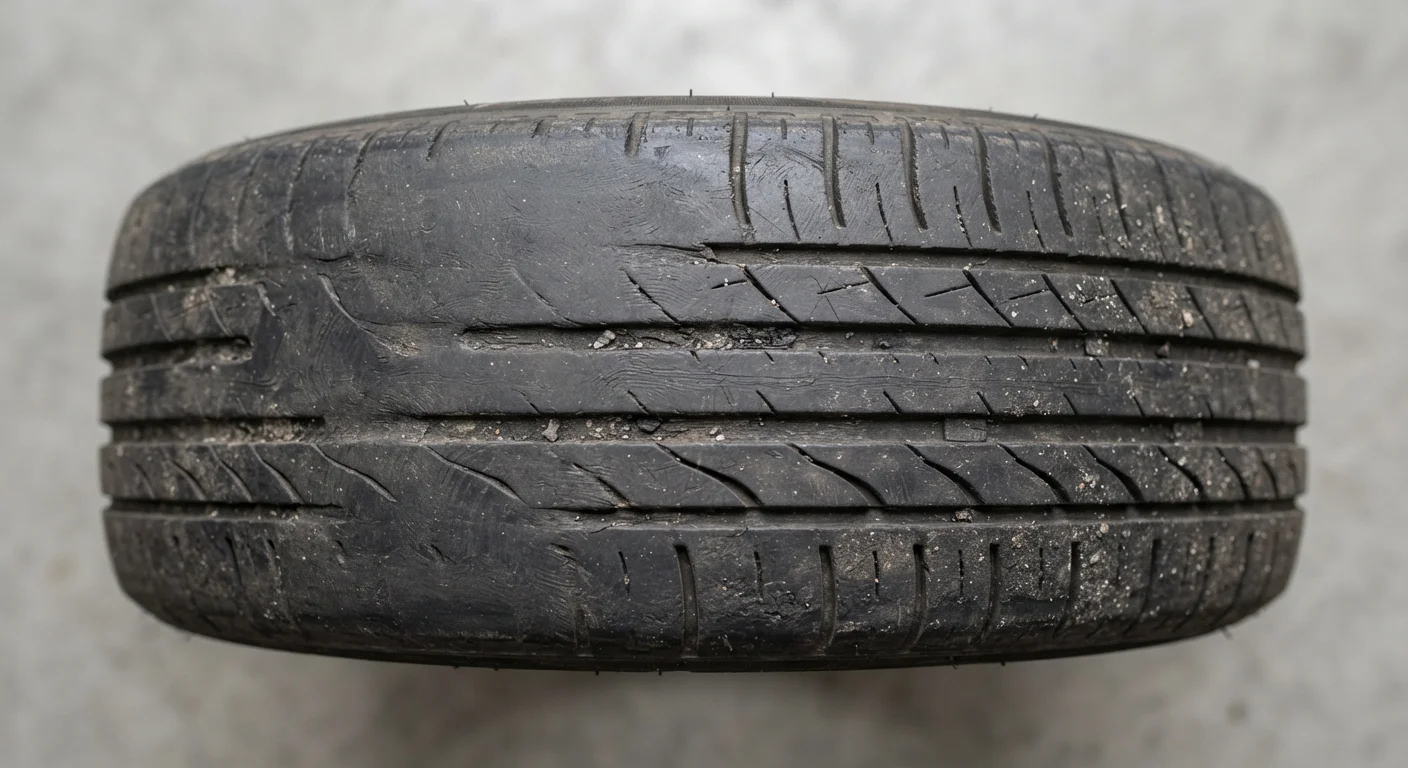
Photo credit: TopInfoTabs.com | Easy Insights For Inspiration
In this article
Uneven tyre wear is rarely random. Learn what different wear patterns reveal about alignment, pressure, and suspension health.
Key Takeaways
- Different wear patterns - edge, centre, or cupping - each point to a distinct underlying cause.
- Incorrect tyre pressure is among the most common and preventable causes of uneven wear.
- Misaligned wheels cause the tyre to scrub sideways with every mile, wearing one edge faster.
- Worn suspension components can create a bouncing motion that scallops tyre tread over time.
- Catching uneven wear early can extend tyre life and prevent costlier mechanical repairs.
- Regular tyre rotations help distribute wear more evenly and expose problems sooner.
Reading the Wear Pattern as a Diagnostic Tool
Your tyres keep a running record of everything that's happening mechanically beneath your car. When a tyre wears unevenly, it's not bad luck - it's a symptom. Learning to read three common wear patterns gives you immediate, actionable information without needing special equipment.
Edge wear (inner or outer): When one shoulder of the tyre wears significantly faster than the rest, wheel alignment is the most likely cause. Wheels that are toed in or out - meaning they point slightly inward or outward rather than straight - create a constant scrubbing force against the road. Camber problems (the inward or outward tilt of the wheel when viewed from the front) produce similar single-edge wear. This pattern is most visible when you squat down and look across the tyre face.
Centre wear: If the middle of the tread is worn thin while the edges look relatively fresh, the tyre has been chronically over-inflated. Excess pressure causes the tyre to balloon, pushing more rubber into the centre contact patch and lifting the edges slightly off the road. See our guide to checking tyre pressure correctly to make sure you're using the right reference - always the vehicle manufacturer's placard, not the maximum figure printed on the tyre sidewall.
Both-edge wear: When both shoulders wear faster than the centre, the tyre has been consistently under-inflated. A soft tyre flattens under the vehicle's weight, causing the edges to carry a disproportionate load. This pattern often accompanies a slightly squishy feel on the road and reduced handling precision.
Alignment vs. Balancing: Not the Same Thing
Wheel alignment adjusts the angles at which tyres contact the road - it directly affects wear patterns and vehicle tracking. Wheel balancing corrects weight imbalances in the tyre-and-wheel assembly that cause vibration. Both matter for tyre longevity, but they address different problems. An alignment check does not automatically include balancing, so confirm which service you're getting when you book.
Suspension and Rotation: The Less Obvious Culprits
Cupping or scalloping looks like a series of dips or high spots around the tyre circumference, and it points directly at suspension health. Worn shock absorbers or struts lose their ability to keep the wheel firmly planted against the road. Instead, the tyre bounces rhythmically, touching down harder in some spots and barely at all in others. The result is a distinctive rippled surface - and often an audible thumping noise at highway speed. This is one wear pattern where a qualified mechanic's assessment of the suspension is genuinely warranted, since driving on failing dampers affects vehicle control, not just tyre life. You can learn more about related wear-inducing habits in our piece on habits that quietly shorten your car's lifespan.
One-sided diagonal wear can indicate a bent wheel, a seized brake caliper, or a combination of alignment and camber errors. If a single tyre develops a worn diagonal stripe across its face, have the wheel assembly inspected - a stuck caliper generates friction heat that accelerates localised wear and also affects braking performance. Our explainer on brake pads and discs covers how braking components degrade and what to watch for.
25%
Fuel efficiency loss from under-inflated tyres
The U.S. Department of Energy estimates that tyres inflated 8 psi below recommended pressure can reduce fuel economy by roughly 3-4%, with greater under-inflation compounding losses further.
1 in 4
Vehicles driving on at least one under-inflated tyre
NHTSA data has consistently found that a significant proportion of passenger vehicles on U.S. roads have at least one tyre that is meaningfully under-inflated.
4/32"
Tread depth where wet-weather grip declines noticeably
While the legal minimum in the US is 2/32", tyre industry guidance and independent testing indicate wet-road stopping performance degrades meaningfully once tread depth falls below 4/32".
Regular tyre rotation remains one of the most straightforward preventive measures available. Moving tyres from front to rear (and crossing axles where the vehicle's drive configuration allows) evens out the load each tyre bears and surfaces problems before they become expensive.
Check Tread Wear Manually Once a Month
Insert a quarter into the tread groove with Washington's head pointing down. If you can see the top of his head, the tread depth is approaching 4/32" - the point where wet-weather performance begins to decline noticeably. Do this at multiple points across the tyre width to catch uneven wear early.
What To Do When You Spot Uneven Wear
Acting early limits the damage. Here's a practical sequence:
- Check your tyre pressure first. It takes under five minutes and resolves the most common cause of both centre and dual-edge wear immediately.
- Inspect all four tyres visually. Run your hand across the tread surface feeling for ridges, smooth patches, or cupped dips. Compare inner and outer edges on each tyre.
- Book a wheel alignment check if you see single-edge wear, especially if the car also pulls to one side or the steering wheel sits off-centre at straight-ahead.
- Have suspension components assessed if cupping is present. Shock absorbers and struts are wear items that most drivers underestimate.
- Rotate tyres on schedule. If you've been skipping rotations, start now - even tyres showing mild uneven wear will benefit from the redistributed load.
Uneven wear rarely fixes itself. The pattern will accelerate until the root cause is addressed, meaning a tyre that might have lasted another 20,000 miles gets scrapped at half that mileage - along with a vehicle that handles less predictably along the way.
Frequently Asked Questions

Author
Cars & Driving Editorial Team
Cars & Driving Editorial Team is the collective byline for our editorial team and contributor network. Articles published under this byline or an editorial pen name are researched, written, and reviewed according to our editorial standards for clarity, consistency, and independence before publication.
View all articles →