
Habits That Quietly Shorten Your Car's Lifespan
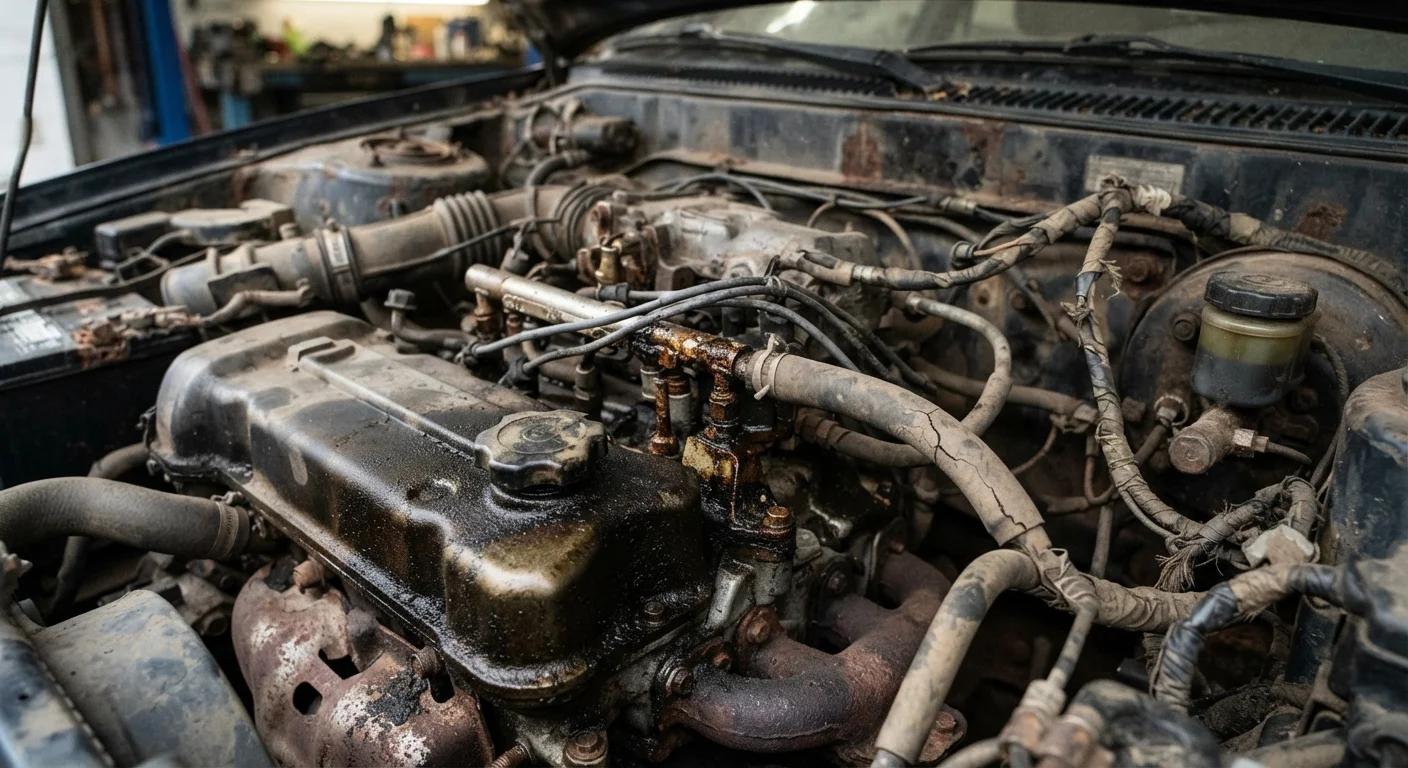
Photo credit: TopInfoTabs.com | Easy Insights For Inspiration
Riding the brakes, ignoring minor leaks, skipping tyre rotations — these common habits do more damage than most drivers realise.
Key Takeaways
- Riding the brakes downhill generates excessive heat that accelerates pad and disc wear significantly.
- Ignoring minor fluid leaks can escalate into engine or transmission failure within a short period.
- Skipping tyre rotations causes uneven wear that shortens tyre life and reduces handling safety.
- Low tyre pressure increases rolling resistance, fuel consumption, and risk of tyre failure.
- Short trips that never fully warm the engine contribute to oil contamination and corrosion buildup.
Why Small Habits Do the Most Damage
Most drivers associate major repairs with dramatic events - a blown tyre, an overheating engine, a collision. But the reality is that a large share of avoidable mechanical problems trace back to ordinary habits repeated thousands of times over months and years. Because the damage accumulates gradually, there's rarely a clear warning moment until something fails entirely.
Understanding which everyday behaviours quietly stress your vehicle lets you make small adjustments that protect your investment without requiring professional help at every turn. For a broader foundation, new driver maintenance essentials is a useful starting reference.
Riding the brakes on long downhill stretches instead of using engine braking.
Why it happens: Keeping a foot lightly on the brake pedal feels like controlled, cautious driving - especially on steep or winding descents.
Ignoring small fluid leaks because the vehicle still drives normally.
Why it happens: A minor drip under the car rarely triggers warning lights immediately, so it's easy to file it under 'deal with later' until symptoms appear.
Skipping tyre rotations because the tyres look fine to the eye.
Why it happens: Uneven wear develops slowly and is hard to spot without measuring tread depth across multiple points on each tyre.
Consistently driving on underinflated tyres.
Why it happens: Tyre pressure drops gradually with temperature changes and normal permeation, so a tyre that felt fine at purchase may be noticeably low months later without any puncture.
Regularly taking very short trips that never allow the engine to fully warm up.
Why it happens: Short errands are a normal part of daily life, and most drivers don't think of them as mechanically harmful.
Accelerating hard immediately after a cold start.
Why it happens: Modern fuel-injected engines start easily and feel responsive straight away, which can create a false impression that they're ready for full load from the first second.
Patterns That Compound Into Costly Problems
The habits below aren't exotic - they show up in how most of us drive and maintain our cars every day. What separates drivers who consistently get high mileage from those facing repeated repair bills is often awareness of these patterns, not mechanical expertise.
Don't Confuse 'Running Fine' With 'Running Well'
Many of the habits listed here produce no immediate, obvious symptoms - your car starts, drives, and stops without drama. That absence of drama is precisely why these patterns persist. By the time a mechanic can point to a concrete problem, the underlying wear has already been building for months. Treat the absence of warning lights as a baseline, not a clean bill of health.
If your car is already producing unfamiliar sounds, don't wait. common car noises and what they may indicate can help you interpret what you're hearing before a minor issue becomes a major one. And for drivers who want a structured approach to staying ahead of wear, tracking and scheduling routine maintenance offers practical systems worth adopting.
Braking habits, in particular, deserve attention on their own. For a clear explanation of how the components interact and degrade, see brake pads vs. brake discs. And because tyre pressure affects everything from fuel economy to stopping distance, how to check tyre pressure correctly is a skill every driver should have.
For a seasonal lens on all of this, the seasonal car maintenance checklist helps you identify which checks matter most as driving conditions change throughout the year.
Some Jobs Genuinely Require a Professional
Routine checks - tyre pressure, fluid levels, visual inspections - are well within most drivers' abilities. But diagnosing a fluid leak source, assessing brake component condition, or evaluating engine wear requires experience and equipment that most home garages don't have. If you're unsure whether a repair is within your skill set, DIY vs. professional maintenance outlines where the line typically falls.

Author
Cars & Driving Editorial Team
Cars & Driving Editorial Team is the collective byline for our editorial team and contributor network. Articles published under this byline or an editorial pen name are researched, written, and reviewed according to our editorial standards for clarity, consistency, and independence before publication.
View all articles →