
What Every New Driver Needs to Know About Keeping a Car Running
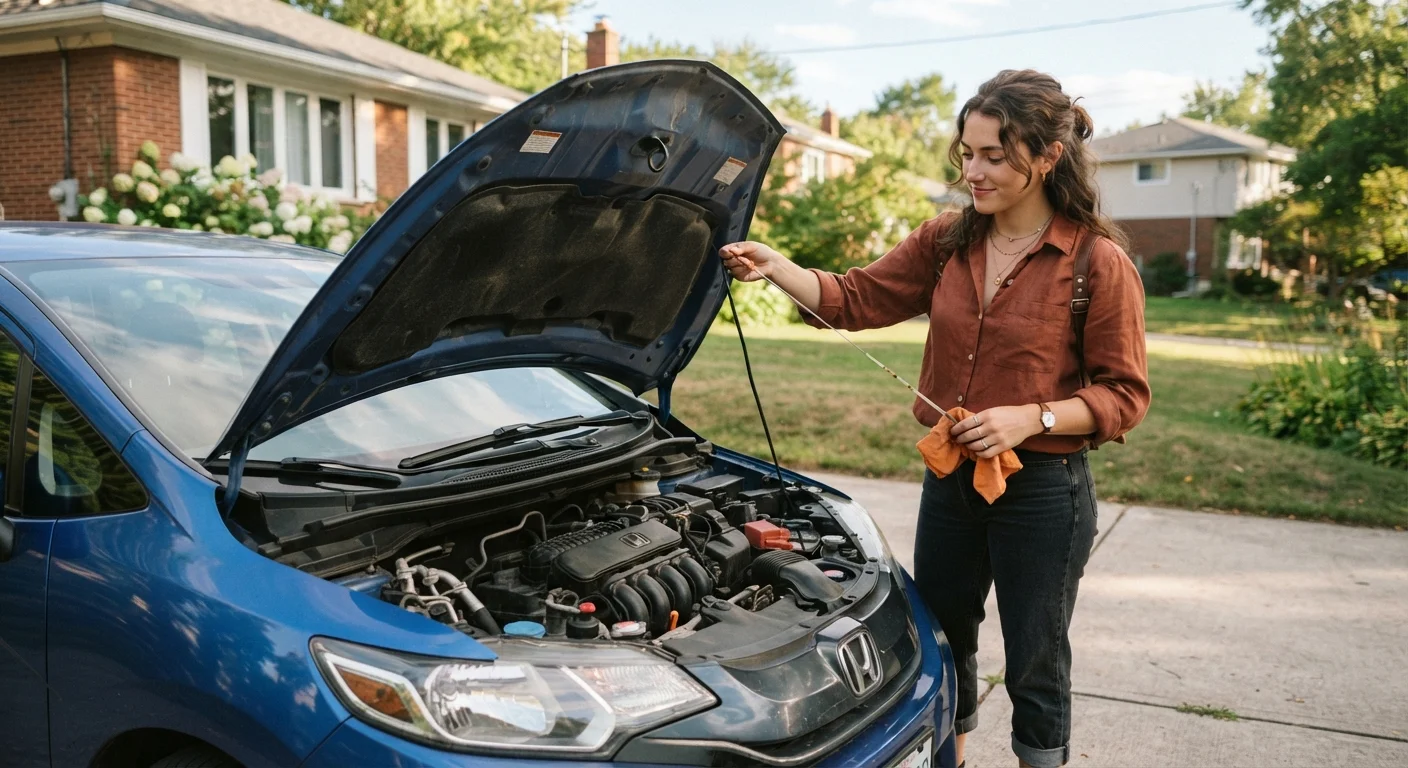
Photo credit: TopInfoTabs.com | Easy Insights For Inspiration
In this article
A comprehensive introduction to routine car maintenance for drivers who've never popped a bonnet before — covering fluids, tyres, filters, and more.
Key Takeaways
- Checking key fluid levels takes less than five minutes and can prevent serious engine damage.
- Tyre pressure should be verified at least once a month using your vehicle's recommended PSI.
- Your owner's manual contains a maintenance schedule most drivers never read - it's your most valuable resource.
- Many basic checks are safe to do yourself; others genuinely require a qualified mechanic.
- Catching small problems early almost always costs less than fixing the damage they eventually cause.
Why Routine Maintenance Matters More Than You Think
Most new drivers think about fuel, insurance, and maybe parking - but routine maintenance rarely makes the list until something goes wrong. That's a costly pattern. A car is a system of interconnected parts, and neglecting the small stuff creates conditions for bigger, more expensive failures.
The good news: you don't need mechanical expertise to keep a car in good shape. A handful of regular checks, spread across the year, covers the majority of what keeps a vehicle reliable and safe. Understanding what to look for - and when - is the real starting point.
For a structured approach to how these tasks change throughout the year, see the seasonal car maintenance checklist every driver should run.
Your Glove Box Is a Maintenance Tool
Keep a small notebook or use your phone to log every maintenance action - date, mileage, and what was done. This makes it easy to track when oil is due, notice patterns, and demonstrate a service history if you ever sell the vehicle. It takes thirty seconds per entry and pays off consistently.
The Fluids Your Car Depends On
Fluids are the lifeblood of your vehicle. Each one serves a specific function, and letting any of them drop too low - or go unchanged too long - puts real stress on the components they protect.
Engine oil
A lubricant that coats moving metal parts inside the engine, reducing friction and heat. Without sufficient oil, engine components can wear or seize rapidly.
Coolant
A liquid (typically a mix of antifreeze and water) that circulates through the engine to regulate its temperature, preventing both overheating and freezing.
Tyre PSI
PSI stands for pounds per square inch - the unit used to measure tyre inflation pressure. Each vehicle has a recommended PSI set by the manufacturer, not the tyre brand.
Tread depth
The measurement of the grooves in a tyre's surface. Deeper grooves channel water away and maintain grip; worn treads significantly increase stopping distances in wet conditions.
Dipstick
A long metal rod inserted into the engine's oil reservoir. Pulling it out and reading the oil level against marked indicators tells you whether the oil is full, low, or needs attention.
Service schedule
A manufacturer-specified list of maintenance tasks tied to mileage or time intervals, found in the owner's manual. Following it is the most reliable way to keep a vehicle in good condition.
- Engine oil lubricates moving metal parts and reduces heat from friction. Check it monthly with the dipstick and change it per your owner's manual's schedule.
- Coolant (antifreeze) prevents the engine from overheating in summer and freezing in winter. Check the reservoir level when the engine is cold - never open the radiator cap on a hot engine.
- Brake fluid transmits the force from your brake pedal to the brake components. It absorbs moisture over time, which reduces effectiveness. Most manufacturers recommend replacing it every two years.
- Washer fluid is the one you can top up freely - use a proper screen wash formula, not plain water, which can freeze and degrade rubber seals.
For a deeper look at each fluid, where to find it, and when to act, the fluid levels guide covers every reservoir in plain language.
Tyres: Your Only Contact With the Road
Tyres are arguably the single most safety-critical component on your car. They affect braking distance, cornering grip, and fuel efficiency - yet many drivers only think about them when one goes flat.
Tyre Pressure
Check pressure monthly, ideally when the tyres are cold (the car hasn't been driven for at least three hours). Use the PSI figure from your door jamb sticker or owner's manual. Underinflated tyres wear unevenly and can overheat at speed; overinflated tyres reduce grip.
Tread Depth
In the US, the legal minimum tread depth is 2/32 of an inch, but many safety experts recommend replacing tyres at 4/32 for improved wet-weather performance. The simplest check: insert a penny into the tread groove with Lincoln's head pointing down. If you can see the top of his head, tread is at or below the legal minimum.
Visual Inspection
Walk around your car before longer trips and look for obvious bulges, cracks on the sidewall, or objects embedded in the tread. Any of these warrant a visit to a tyre shop before driving further.
Never Ignore a Tyre Sidewall Bulge
A bulge on a tyre sidewall indicates internal structural damage - the tyre's cords have broken. This is not a slow-deterioration problem; a bulged tyre can fail suddenly at speed. Do not continue driving on it. Have the vehicle inspected by a qualified tyre professional before the next journey.
Filters, Lights, and the Owner's Manual
Beyond fluids and tyres, a few other items reward regular attention:
Air Filters
Your engine uses an engine air filter to keep dust and debris out of the intake. A clogged filter reduces engine performance and fuel efficiency. Most should be replaced every 15,000-30,000 miles, but check your manual. The cabin air filter affects the air quality inside the car - it's often overlooked but straightforward to replace yourself.
Lights
Walk around your car periodically and check that all exterior lights - headlights, brake lights, turn signals, and reverse lights - are working. A failed brake light is both a safety hazard and a reason for a traffic stop. Most bulb replacements are inexpensive and covered in your owner's manual.
The Owner's Manual
This is the most underused resource most drivers own. It contains your vehicle's specific maintenance schedule, fluid specifications, tyre pressure figures, and warning light explanations. Learning how to read a vehicle service schedule is one of the highest-value things a new driver can do.
It's also worth knowing that some widely repeated advice - like changing oil every 3,000 miles without exception - doesn't hold up for modern vehicles. The car maintenance myths article separates fact from fiction on several of these.
Knowing When to Call a Mechanic
Empowerment doesn't mean doing everything yourself. Some tasks are genuinely within reach for new drivers - checking fluids, inspecting tyres, swapping wiper blades. Others carry real risk if done incorrectly, and a qualified mechanic is the right call.
Brake work, suspension repairs, timing belt replacement, and anything involving the fuel system fall into the category where the cost of a professional is money well spent. For a clear breakdown of the dividing line, the DIY car maintenance guide lays it out without oversimplifying.
Also pay attention to driving habits that accelerate wear. Riding the brakes downhill, ignoring minor leaks, or skipping tyre rotations quietly shortens a car's lifespan - the habits that shorten a car's lifespan article covers the most common ones.
The broader principle is simple: stay observant, act early, and consult a professional when the job exceeds your confidence level. A car that's looked after reliably repays that attention in longevity and lower lifetime cost.
High-Mileage Vehicles Need Extra Attention
Once a car crosses 100,000 miles, some maintenance priorities shift. Seals age, certain fluids degrade faster, and components that lasted the first 100K may need replacement in the second. If you're driving a higher-mileage vehicle, the guide to keeping a high-mileage car in good shape covers what to prioritise.
Frequently Asked Questions

Author
Cars & Driving Editorial Team
Cars & Driving Editorial Team is the collective byline for our editorial team and contributor network. Articles published under this byline or an editorial pen name are researched, written, and reviewed according to our editorial standards for clarity, consistency, and independence before publication.
View all articles →