
DIY Car Maintenance: What You Can Safely Do Yourself and What You Shouldn't
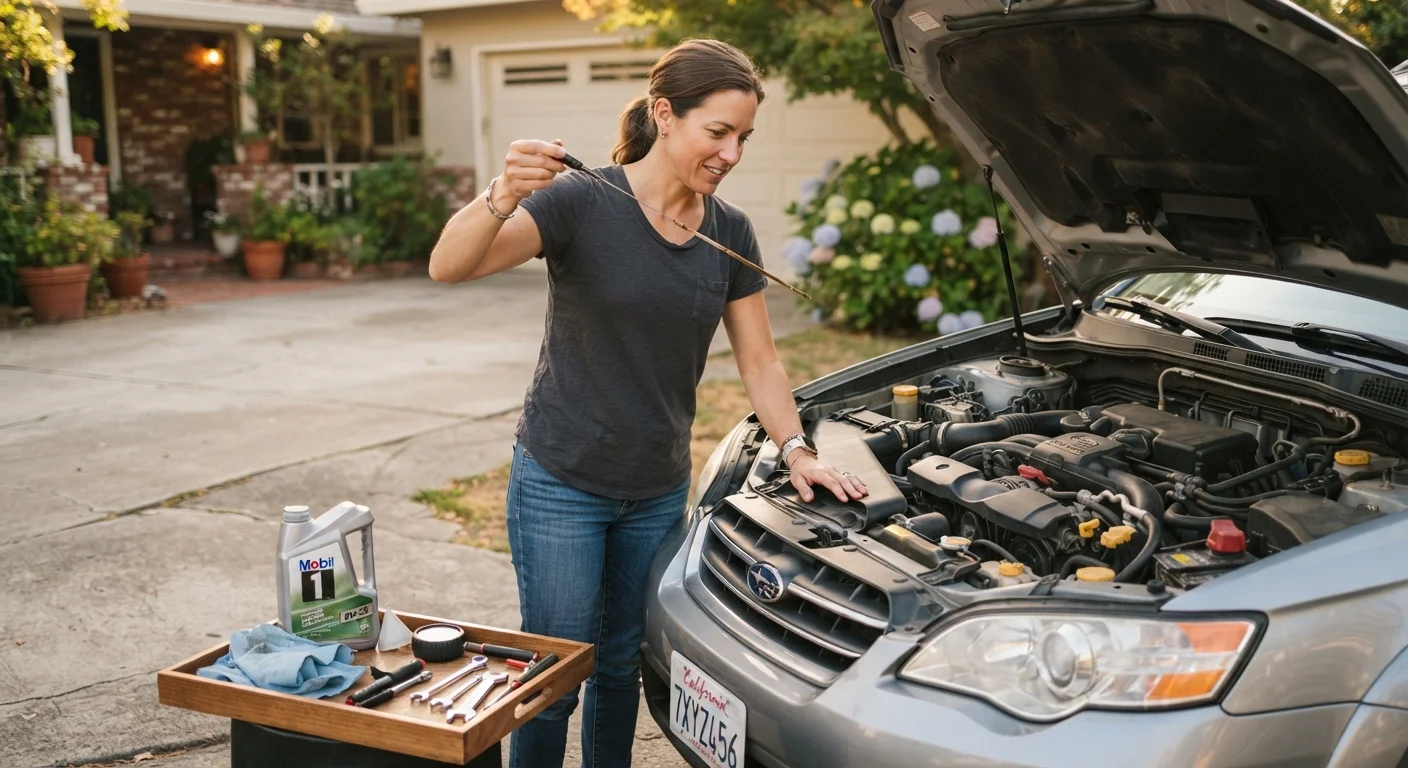
Photo credit: TopInfoTabs.com | Easy Insights For Inspiration
In this article
Tackling maintenance at home can save time and money, but some jobs carry real risk. A balanced look at where DIY makes sense and where it doesn't.
Key Takeaways
- Tasks like checking fluids, replacing wiper blades, and swapping air filters are safe and straightforward for most drivers.
- Jobs involving brakes, suspension, or the fuel system carry serious safety risk and are best left to a certified mechanic.
- Using your vehicle's owner's manual and the correct tools dramatically reduces DIY mistakes.
- Skipping professional service on complex systems can void warranties and create costly secondary problems.
- Knowing your own comfort level and limits is just as important as having the right equipment.
Reduces routine service costs meaningfully over time
Tasks like oil checks, filter replacements, and wiper swaps cost a fraction of shop labor rates when handled yourself. Across a year of ownership, these savings can be significant.
Builds genuine understanding of your vehicle
Regularly inspecting your own car helps you notice changes - a new rattle, a slow fluid drop - earlier than a once-a-year shop visit would.
Convenient on your own schedule
Many simple jobs take under 30 minutes and can be done in a driveway, without booking an appointment or arranging alternative transport.
Teaches habits that protect long-term vehicle health
Drivers who check fluids and tyre pressure routinely tend to catch developing issues before they escalate into expensive failures.
Brake system work poses serious safety risk
Brake pad replacement, caliper servicing, and brake line work require precise torque application and bleed procedures. Errors directly reduce stopping power - with potentially life-threatening consequences.
Suspension and steering components need professional alignment
Even if a physical swap is manageable, disturbing suspension geometry typically requires a four-wheel alignment with specialist equipment to restore safe handling.
Fuel system repairs carry fire and vapour hazards
Working around fuel lines, injectors, or the fuel pump exposes you to flammable vapours. Without proper ventilation and fire safety measures, the risk is substantial.
Airbag and SRS components can deploy unexpectedly
Supplemental Restraint System (SRS) components can trigger during work on nearby systems. Accidental deployment causes serious injury and requires expensive professional diagnosis to reset.
Errors may void manufacturer or extended warranties
Some warranties require that service be performed by a certified technician. DIY repairs on covered components can void that protection, leaving you exposed to full repair costs.
Why DIY Maintenance Is Worth Taking Seriously
Handling basic car maintenance yourself isn't just about saving money - it's about understanding the machine you depend on every day. Drivers who know their vehicle tend to catch problems earlier, maintain it more consistently, and make better decisions when something does go wrong.
The key is knowing which tasks genuinely reward a hands-on approach and which ones create more risk than they're worth. For a broader framework on keeping your car in shape year-round, see our seasonal car maintenance checklist.
Reduces routine service costs meaningfully over time
Tasks like oil checks, filter replacements, and wiper swaps cost a fraction of shop labor rates when handled yourself. Across a year of ownership, these savings can be significant.
Builds genuine understanding of your vehicle
Regularly inspecting your own car helps you notice changes - a new rattle, a slow fluid drop - earlier than a once-a-year shop visit would.
Convenient on your own schedule
Many simple jobs take under 30 minutes and can be done in a driveway, without booking an appointment or arranging alternative transport.
Teaches habits that protect long-term vehicle health
Drivers who check fluids and tyre pressure routinely tend to catch developing issues before they escalate into expensive failures.
Tasks You Can Safely Handle at Home
A handful of maintenance jobs require minimal tools, carry low risk when done carefully, and are clearly described in most owner's manuals. These include:
- Engine oil and fluid checks: Checking and topping off oil, coolant, brake fluid, and windshield washer fluid is straightforward and should be done regularly.
- Air filter replacement: Cabin and engine air filters on most vehicles are accessed without tools and take only minutes to swap.
- Wiper blade replacement: Nearly all wiper blades clip on and off. Instructions are typically printed on the packaging.
- Tyre pressure checks: A basic tyre pressure gauge costs a few dollars and takes seconds to use. Maintaining correct pressure affects both safety and fuel efficiency.
- Battery terminal cleaning: Corrosion on battery terminals is common and can usually be safely removed with a wire brush and baking soda solution - with the engine off and proper precautions taken.
If you're new to any of these tasks, our guide on keeping a car running walks through each one clearly.
Your Owner's Manual Is the Starting Point
Before attempting any maintenance task, consult your vehicle's owner's manual. It specifies the correct fluid grades, filter part numbers, service intervals, and any model-specific cautions. Manufacturer guidance always takes priority over general advice - what applies to one vehicle may not apply to another. If you've misplaced your manual, most automakers make digital versions available through their official websites.
Where DIY Gets Dangerous
Some maintenance jobs look approachable but introduce serious safety or mechanical risks when performed without proper training, tools, or workspace. These are worth handing off to a professional:
Brake system work poses serious safety risk
Brake pad replacement, caliper servicing, and brake line work require precise torque application and bleed procedures. Errors directly reduce stopping power - with potentially life-threatening consequences.
Suspension and steering components need professional alignment
Even if a physical swap is manageable, disturbing suspension geometry typically requires a four-wheel alignment with specialist equipment to restore safe handling.
Fuel system repairs carry fire and vapour hazards
Working around fuel lines, injectors, or the fuel pump exposes you to flammable vapours. Without proper ventilation and fire safety measures, the risk is substantial.
Airbag and SRS components can deploy unexpectedly
Supplemental Restraint System (SRS) components can trigger during work on nearby systems. Accidental deployment causes serious injury and requires expensive professional diagnosis to reset.
Errors may void manufacturer or extended warranties
Some warranties require that service be performed by a certified technician. DIY repairs on covered components can void that protection, leaving you exposed to full repair costs.
Beyond safety, poorly executed repairs on complex systems can trigger secondary failures - a misaligned brake caliper, for example, can wear rotors unevenly and compromise stopping power. These ripple effects make certain shortcuts significantly more expensive than the original service would have been. Poor maintenance habits compound these risks; our article on habits that quietly shorten your car's lifespan covers how small oversights snowball into large repairs.
Making the Most of Your DIY Efforts
If you're committed to doing maintenance yourself, a few habits will keep you on solid ground:
- Always consult your owner's manual before starting - torque specs, fluid types, and filter part numbers vary by vehicle.
- Use the right tools. Improvising with incorrect tools damages components and creates injury risk.
- Document everything. Keeping a log of what you've done and when helps you stay on schedule and provides useful history if you ever need professional service. Tracking and scheduling routine maintenance doesn't have to be complicated.
- Know when to stop. If a job reveals something unexpected - an unfamiliar noise, unusual corrosion, or a part that doesn't fit as expected - stopping and consulting a mechanic is always the right call.
~30 min
Average time to replace an engine air filter at home
Most engine air filter housings are tool-free and accessible within minutes, making this one of the most accessible DIY maintenance tasks.
25%
Estimated fuel efficiency loss from severely underinflated tyres
The U.S. Department of Energy notes that keeping tyres properly inflated is one of the simplest ways drivers can maintain fuel economy.
Approached thoughtfully, DIY maintenance builds mechanical confidence over time. Just keep safety, not savings, as your primary motivation.

Author
Cars & Driving Editorial Team
Cars & Driving Editorial Team is the collective byline for our editorial team and contributor network. Articles published under this byline or an editorial pen name are researched, written, and reviewed according to our editorial standards for clarity, consistency, and independence before publication.
View all articles →