
Smart Approaches to Tracking and Scheduling Routine Car Maintenance
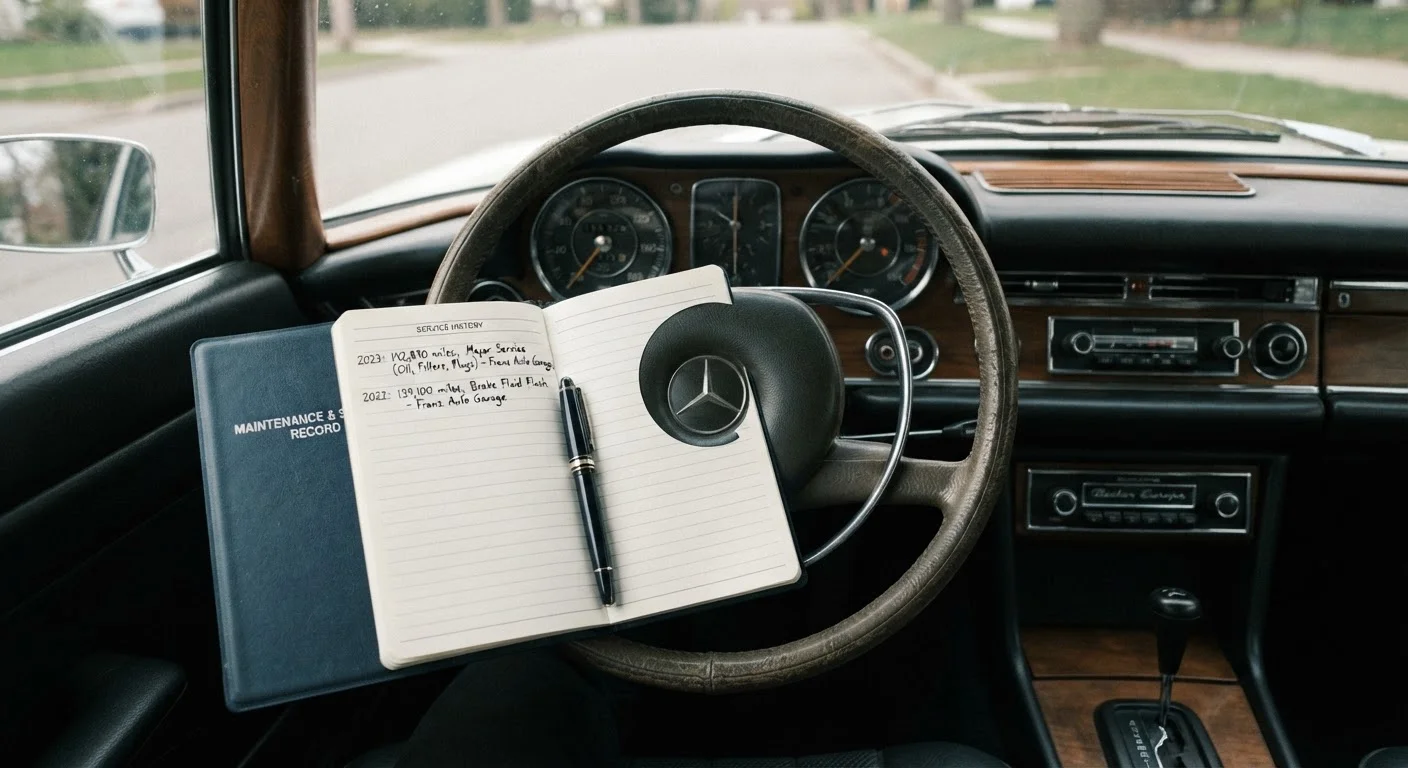
Photo credit: TopInfoTabs.com | Easy Insights For Inspiration
In this article
From mileage logs to reminder apps to keeping service records, these practices help you stay on top of maintenance before problems develop.
Key Takeaways
- Your owner's manual is the most reliable source for maintenance intervals - follow it over generic advice.
- A simple mileage log or reminder app removes the guesswork from knowing when service is due.
- Keeping organized service records protects your investment and simplifies future diagnostics.
- Pairing mileage-based and time-based tracking catches tasks that could otherwise slip through.
- Consistent scheduling reduces the likelihood of small issues escalating into expensive repairs.
Why Tracking Matters More Than You Think
Most drivers have a general sense that oil changes and tire rotations are important - but far fewer have a reliable system for knowing exactly when those services are due. That gap between awareness and action is where preventable wear and unexpected breakdowns tend to happen.
Routine maintenance is inherently time- and mileage-sensitive. Miss an interval by a few thousand miles and you may still be fine; push consistently past recommended intervals across multiple systems and costs compound quickly. A structured tracking approach doesn't require mechanical expertise - it requires only a bit of organization. Those habits that quietly shorten a car's lifespan often start with nothing more than losing track of when things were last serviced.
35%
Of roadside breakdowns linked to neglected maintenance
Industry estimates from automotive services organizations consistently attribute a significant share of roadside emergencies to maintenance issues that were predictable and preventable.
2x
Longer lifespan for well-maintained vs. neglected vehicles
Automotive engineers and consumer advocates note that consistent preventive maintenance is one of the strongest predictors of a vehicle reaching high mileage without major mechanical failure.
Start With Your Owner's Manual
Before choosing any tracking tool or app, ground your schedule in the maintenance intervals your vehicle's manufacturer actually specifies. The owner's manual lists service milestones - oil changes, transmission fluid, coolant flushes, spark plugs, timing belt or chain inspections - based on engineering data for that specific engine and drivetrain.
Generic advice ("change your oil every 3,000 miles") doesn't apply uniformly to modern vehicles, many of which are engineered for 5,000- to 10,000-mile oil change intervals depending on the oil type and driving conditions. Using manufacturer specifications as your baseline prevents both under-maintenance and unnecessary service spending.
Severe vs. Normal Driving Conditions
Many owner's manuals list two maintenance schedules: one for normal driving and one for severe conditions - defined as frequent short trips, extreme temperatures, towing, or stop-and-go traffic. If your daily routine includes any of these, the shorter severe-duty intervals apply to you. Check which schedule fits your actual driving pattern before setting your reminders.
Once you've identified the key milestones, write them down in a single reference list or photograph the relevant pages. This becomes the foundation of your tracking system, whatever form that takes.
Practical Tracking Systems That Actually Stick
The most effective tracking method is the one you'll actually use consistently. Several approaches work well depending on your preferences:
Use a dedicated maintenance app with mileage-based reminders
Apps designed for vehicle maintenance can store your specific service intervals, prompt you when a milestone is approaching, and keep a running log of completed work. Automated reminders remove reliance on memory, which is especially useful when multiple vehicles or intervals overlap.
Keep a physical mileage log in the glove compartment
A simple notepad where you jot the date, mileage, and service performed after each visit requires no technology and is always with the car. This is particularly useful if multiple family members drive the same vehicle and need a shared reference point.
Set recurring calendar reminders tied to both dates and mileage
Calendar apps are tools most people already check daily. Scheduling maintenance checkpoints as recurring events - both time-based and estimated-mileage-based - means maintenance stays visible rather than falling off your mental radar.
Photograph or scan every service receipt immediately
Paper receipts fade, tear, and get lost. A quick photo taken at the shop and stored in a dedicated album or cloud folder creates a permanent, searchable record that survives glove-compartment clutter and vehicle changes.
Review your full maintenance log before any long road trip
A pre-trip review takes minutes and can surface services that are close to due - catching them before a 500-mile journey is far preferable to dealing with a breakdown or fluid failure on the road.
For drivers managing higher-mileage vehicles, pairing your tracking system with a dedicated high-mileage maintenance approach is especially valuable, since more systems need attention more frequently.
Building a Service Record You Can Actually Use
A maintenance log is only as useful as the information it contains. Each service entry should record the date, current mileage, work performed, parts used or replaced, and the name of the shop or technician if applicable. Receipts and invoices are the most reliable documentation - keep a dedicated folder, physical or digital.
Complete service records serve multiple purposes: they help a mechanic diagnose issues faster (reducing diagnostic labor costs), they establish proof of care when selling a vehicle, and they make it easy to spot patterns - for example, if a fluid keeps dropping between changes, that's a signal worth investigating. See our guide to DIY vs. professional maintenance for a clear breakdown of which jobs warrant a shop visit and which are manageable at home.
Combining Mileage and Calendar Triggers
Some maintenance tasks are mileage-driven; others are time-driven. Engine oil degrades even when a car sits unused, so a 12-month interval may apply even if you haven't hit the mileage threshold. Brake fluid absorbs moisture over time regardless of miles driven. Wiper blades deteriorate from UV exposure and temperature swings on a seasonal cycle.
A complete tracking approach uses both triggers. Set a mileage reminder for oil and filter changes, but also run a seasonal inspection checklist to catch time-sensitive items - coolant condition, battery health, tire pressure adjustments - that don't correlate neatly to odometer readings.
When Mileage and Time Conflict
If your vehicle reaches the time threshold before the mileage threshold - for example, 12 months but only 4,000 miles on an oil rated for 7,500 - follow the sooner of the two triggers. Manufacturer intervals are designed with both dimensions in mind, and oil in particular degrades through thermal cycling and moisture exposure even without high mileage accumulation.

Author
Cars & Driving Editorial Team
Cars & Driving Editorial Team is the collective byline for our editorial team and contributor network. Articles published under this byline or an editorial pen name are researched, written, and reviewed according to our editorial standards for clarity, consistency, and independence before publication.
View all articles →