
Keeping a High-Mileage Car in Good Shape
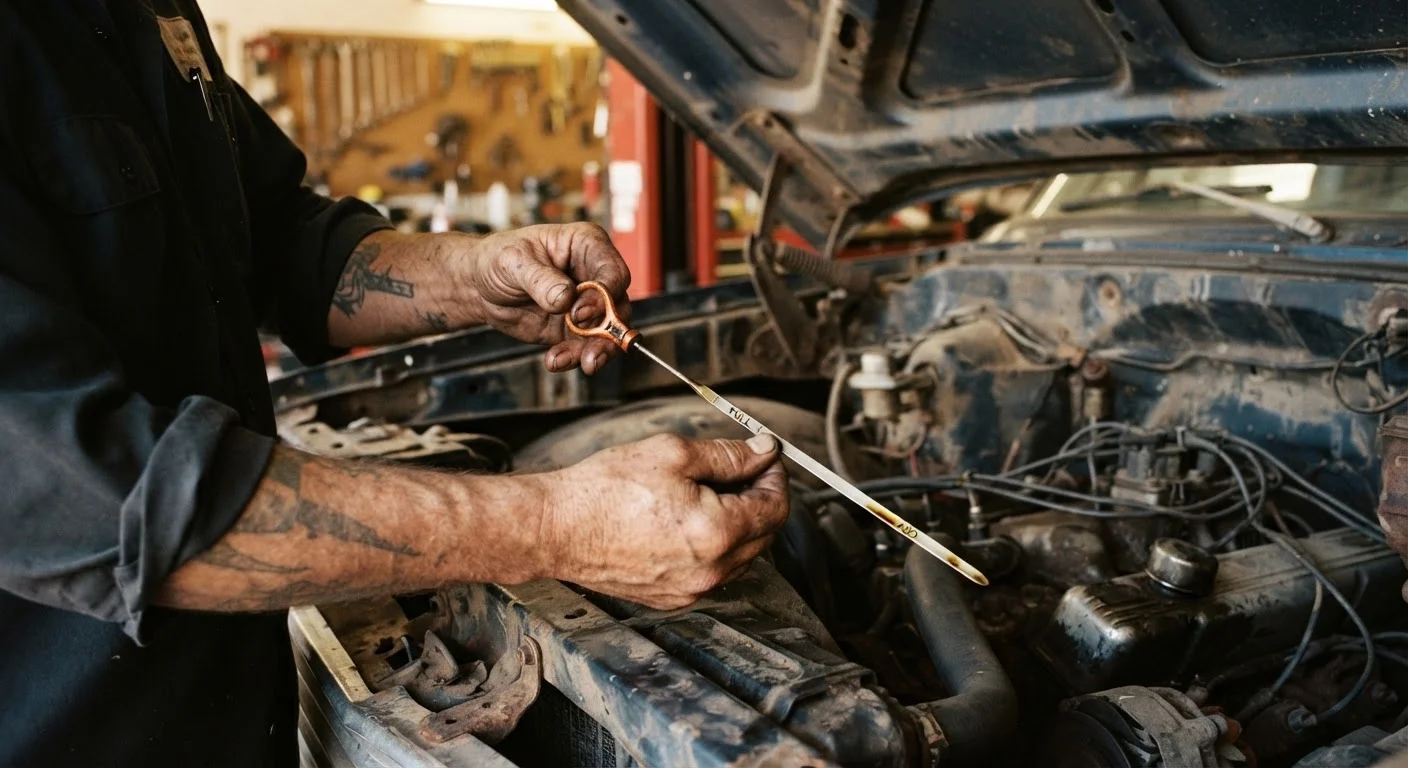
Photo credit: TopInfoTabs.com | Easy Insights For Inspiration
In this article
Vehicles with 100,000+ miles need a different kind of attention. A comprehensive guide to the maintenance priorities that matter most as cars age.
Key Takeaways
- High-mileage vehicles need more frequent fluid inspections, not just changes on fixed intervals.
- Rubber seals and gaskets degrade over time regardless of mileage - age matters as much as use.
- Timing belt failure on interference engines can cause catastrophic and expensive damage.
- Consistent, documented maintenance is the single biggest factor in extending a vehicle's life.
- Many high-mileage checks are visual and accessible to attentive owners without specialized tools.
What 'High Mileage' Really Means for Your Car
The 100,000-mile mark used to signal the end of a car's useful life. Modern vehicles, built with tighter tolerances and better materials, routinely reach 200,000 miles and beyond when properly maintained. But crossing that threshold does change what your car needs from you.
At high mileage, wear is cumulative. Components that were fresh at 30,000 miles have now endured years of heat cycles, vibration, and chemical stress. The goal shifts from following a simple schedule to understanding which systems are most vulnerable to age and use - and staying ahead of them.
This guide is designed for drivers who want to keep a well-worn vehicle running reliably. Whether you're managing a daily commuter with 120,000 miles or a truck pushing 180,000, the principles are consistent: inspect more, address small issues before they compound, and know when a job requires a qualified mechanic. Be sure to pair this guide with your owner's manual service schedule, which remains the authoritative source for your specific vehicle.
200,000+
Miles modern vehicles can reliably reach
Advances in engine technology and materials mean well-maintained vehicles routinely exceed thresholds once considered exceptional.
~$10,000
Estimated cost of timing belt-related engine damage
On interference engines, a broken timing belt can bend valves or cause piston-to-valve contact, resulting in major engine damage requiring costly repair or replacement.
60%
Of vehicle breakdowns linked to deferred maintenance
Industry estimates consistently attribute the majority of roadside failures to maintenance tasks that were skipped or delayed by drivers.
Fluids: The Lifeblood of an Aging Engine
Fluid management becomes more nuanced in high-mileage vehicles. Engine oil is the obvious priority: at higher mileages, many mechanics recommend switching to an oil formulated for high-mileage engines, which typically includes seal-conditioning additives. Always follow the viscosity grade specified in your owner's manual - using the wrong grade can do more harm than good.
Beyond oil, check these fluids regularly:
- Coolant (antifreeze): Degraded coolant becomes acidic and corrodes internal metal surfaces. Flush intervals vary by vehicle and coolant type - consult your service schedule.
- Transmission fluid: Older automatic transmissions are particularly sensitive to degraded fluid. Dark, burnt-smelling fluid is a warning sign that deserves prompt attention from a qualified technician.
- Brake fluid: Brake fluid is hygroscopic - it absorbs moisture over time, which lowers its boiling point and can affect braking performance.
- Power steering fluid: On vehicles without electric power steering, inspect for discoloration or a whining pump, both signs of fluid degradation.
When checking oil on a high-mileage engine, note the color and consistency on the dipstick - not just the level. Dark, gritty oil between changes suggests the engine is working harder than it should and may benefit from a shorter change interval.
Oil analysis is one of the most accessible diagnostic windows an owner has. Degraded oil accelerates wear on bearings, camshafts, and cylinder walls in ways that are invisible until significant damage has already occurred.
After any long highway drive on a high-mileage car, park over a clean piece of cardboard and check for fresh drips after the engine has sat for 30 minutes. This quick habit catches developing leaks far earlier than a shop inspection.
Slow leaks often only produce visible evidence under heat-and-cool cycles that mirror real driving conditions. Catching them early keeps repair costs modest and prevents secondary damage from low fluid levels.
See also our breakdown of common maintenance myths for context on when fluid change intervals are misunderstood.
Seals, Gaskets, and Rubber Components
Rubber and elastomer components age independently of mileage - a 15-year-old vehicle with 60,000 miles may have more compromised seals than a 10-year-old car with 130,000 miles. Heat, ozone exposure, and chemical contact all degrade rubber over time.
Key items to inspect:
- Engine seals and valve cover gasket: Oil seeping around the engine perimeter is a common high-mileage issue. Minor seepage can often be monitored; active leaks should be repaired promptly to prevent oil starvation or fire risk.
- Coolant hoses: Squeeze hoses when the engine is cold. They should feel firm but pliable - not rock-hard, cracked, or soft and mushy at the ends.
- Serpentine and accessory belts: Look for cracking, fraying, or glazing on the belt surface. A snapped serpentine belt disables power steering, the alternator, and cooling simultaneously.
- CV boots and axle boots: Torn boots allow grease to escape and contaminants to enter, accelerating joint wear significantly.
Don't Ignore Oil Leaks Near Hot Surfaces
Even slow oil leaks become a fire risk if oil contacts hot exhaust components. If you notice a burning smell or see smoke from the engine bay, have the vehicle inspected by a mechanic promptly. Do not assume a minor leak is harmless simply because it hasn't caused an immediate problem.
Brakes, Suspension, and Steering
Braking and handling systems bear the accumulated stress of every stop and turn the vehicle has made. These are safety-critical systems - inspecting them carefully and acting on wear is non-negotiable.
Brakes: Beyond pad thickness, inspect rotor condition. Rotors develop grooves, heat spots, and thickness variation over time. Warped rotors cause pedal pulsation and reduce stopping efficiency. Brake hoses - the flexible lines that connect rigid steel lines to calipers - can crack internally and restrict fluid flow even when they look acceptable externally.
Suspension: Worn shocks and struts don't just reduce ride quality; they extend stopping distances and reduce vehicle stability during emergency maneuvers. A simple bounce test (press down firmly on each corner of the vehicle and count the rebounds) can hint at shock absorber condition, though a proper inspection on a lift is more reliable.
Steering components: Ball joints, tie rod ends, and control arm bushings all develop play over time. Vague steering feel, clunking over bumps, or uneven tire wear can all point to worn steering or suspension components. These should be evaluated by a qualified mechanic, as worn parts can affect wheel alignment and tire longevity significantly. Safe vehicle operation depends on these systems - visit our safe driving hub for broader guidance on road safety practices.
Timing Belts, Spark Plugs, and Other Interval Services
Some services have fixed replacement intervals that many drivers defer - often with serious consequences.
Timing Belt Failure Can Total Your Engine
If your vehicle has a rubber timing belt (rather than a metal timing chain), replacing it on schedule is one of the most consequential maintenance tasks you can perform. On interference-design engines - which includes many common passenger vehicles - a snapped timing belt causes the pistons and valves to collide, resulting in severe internal engine damage. Check your owner's manual for the replacement interval, which typically falls between 60,000 and 105,000 miles depending on the vehicle.
Spark plugs: Modern iridium or platinum plugs can last 60,000-100,000 miles, but worn plugs reduce fuel efficiency and can cause misfires that stress the catalytic converter. Replace them on schedule.
Air and cabin filters: Restricted airflow from a clogged engine air filter affects combustion efficiency. Cabin air filters are easy to replace and improve HVAC performance noticeably.
Fuel system: High-mileage vehicles can accumulate deposits in fuel injectors and on intake valves (particularly on direct-injection engines). Consult your mechanic about whether a professional cleaning is appropriate based on symptoms such as rough idle or hesitation.
Check the seasonal maintenance checklist to layer time-of-year inspections on top of your mileage-based intervals.
Building a Reliable Maintenance Routine
The difference between a high-mileage car that becomes a liability and one that keeps serving reliably almost always comes down to documentation and consistency. Keep a written or digital log of every service performed, including the mileage and date. This makes it far easier to track upcoming intervals and provides useful context when a mechanic diagnoses a problem.
For practical tools for tracking and scheduling maintenance, dedicated apps and simple spreadsheets both work well - the best system is one you'll actually use.
Monthly visual checks you can perform yourself without tools:
- Check all fluid levels (oil, coolant reservoir, brake fluid, washer fluid)
- Inspect tires for pressure and visible wear or damage
- Look under the vehicle for fresh fluid spots on your driveway
- Test all exterior lights
- Listen for new noises during the first few minutes of driving
These habits, practiced consistently, allow you to catch small problems before they become expensive repairs. A high-mileage car is not a car that's running out of life - it's a car that has earned attentive ownership.
This article provides general vehicle maintenance information for educational purposes. For repairs involving safety-critical systems or any task beyond your skill level, consult a qualified automotive technician. Always refer to your vehicle's owner's manual for model-specific guidance.

Author
Cars & Driving Editorial Team
Cars & Driving Editorial Team is the collective byline for our editorial team and contributor network. Articles published under this byline or an editorial pen name are researched, written, and reviewed according to our editorial standards for clarity, consistency, and independence before publication.
View all articles →