
Car Maintenance Myths That Could Cost You
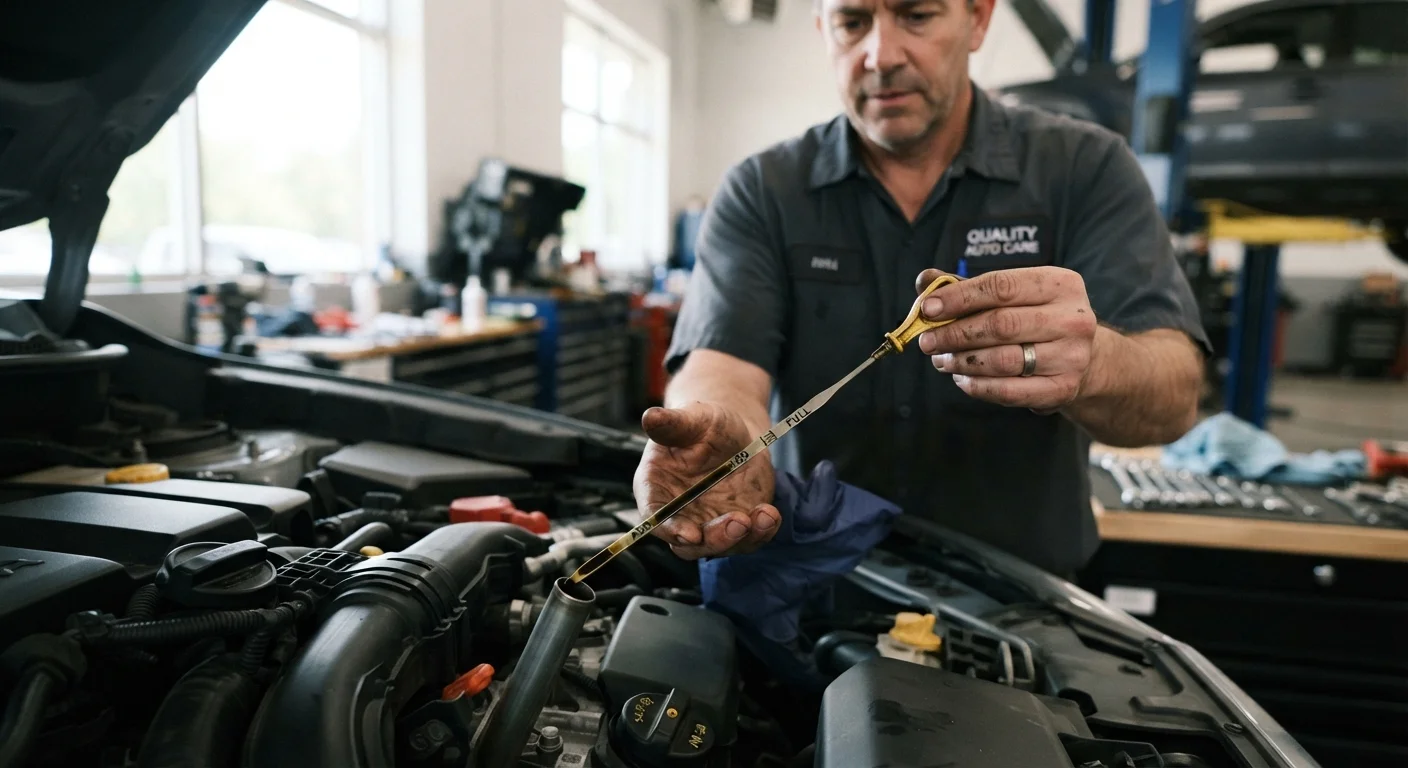
Photo credit: TopInfoTabs.com | Easy Insights For Inspiration
Separating fact from fiction on oil changes every 3,000 miles, premium fuel, warming up engines, and more commonly repeated car care myths.
Key Takeaways
- Most modern vehicles don't need an oil change every 3,000 miles - check your owner's manual.
- Premium fuel only benefits engines specifically designed to require it, not all vehicles.
- Modern fuel-injected engines don't need extended warm-up idling before driving.
- Flushing all fluids annually is rarely necessary - service intervals vary widely by fluid type.
- Tire pressure should match your vehicle's placard, not the number printed on the tire sidewall.
Why Car Maintenance Myths Persist
Many of the maintenance rules drivers follow today were written for vehicles that no longer exist. Engineering advances in engine design, fuel systems, and lubricants have made several once-reasonable rules of thumb obsolete - yet they continue circulating at gas stations, in online forums, and even from well-meaning service advisors. Acting on outdated advice doesn't just cost money; it can create a false sense of security about your vehicle's actual condition.
The most reliable antidote is straightforward: your owner's manual. Manufacturer-specified intervals are based on the actual engineering of your engine, not generalizations. If you want to go further, our guide on what you can safely do yourself helps clarify where informed drivers can act confidently and where a mechanic is the right call.
Myth
You must change your engine oil every 3,000 miles, or you'll damage your engine.
Fact
Most modern vehicles with conventional oil can safely go 5,000-7,500 miles between changes, and those using full synthetic oil often go 10,000-15,000 miles, depending on the manufacturer's specification.
The 3,000-mile rule was relevant for older engine designs and lower-quality lubricants. Today's refined conventional and synthetic oils, combined with tighter engine tolerances, make that interval unnecessarily short for most drivers. Over-changing oil wastes money and generates needless waste oil disposal. Your owner's manual specifies the correct interval for your engine and oil type - that's the figure to follow. For a deeper look at oil types and intervals, see Engine Oil Explained.
Myth
Using premium fuel in any car will make the engine run better and last longer.
Fact
Premium fuel only provides a benefit in engines engineered to require it. In vehicles designed for regular unleaded, premium delivers no measurable performance or longevity advantage.
Engine knock (also called pre-detonation) is the problem premium fuel prevents - but only high-compression engines are prone to it under normal conditions. If your vehicle's manual says "premium recommended," regular fuel is generally still safe but may slightly reduce performance. If it says "premium required," use it. Routinely paying for premium in an engine that doesn't need it is simply an unnecessary expense with no engineering justification.
Myth
You should idle your engine for several minutes to warm it up before driving, especially in cold weather.
Fact
Modern fuel-injected engines reach operating temperature faster by being driven gently than by sitting and idling, and extended idling can actually harm the engine.
Carbureted engines from decades past did benefit from a warm-up idle because they needed heat to meter fuel correctly. Today's electronically controlled, fuel-injected engines don't have that limitation. Prolonged cold idling can wash oil off cylinder walls with unburned fuel, contributing to increased wear. A brief 30-second idle to allow oil pressure to build, followed by gentle driving, is the approach most engine engineers recommend for modern vehicles.
Myth
You need to flush all your vehicle's fluids every year to keep the car healthy.
Fact
Fluid service intervals vary significantly - some fluids may need attention every couple of years, others last far longer. Blanket annual flushing is not supported by most manufacturer schedules.
Coolant, transmission fluid, brake fluid, and power steering fluid each have distinct service lives based on their chemistry and operating conditions. Brake fluid, for example, absorbs moisture over time and typically warrants attention every two to three years in many vehicles, while transmission fluid in certain automatics can last considerably longer under normal driving. Unnecessary flushes add cost without benefit and, in some cases, can introduce air or contaminants if not done properly. Check your fluid monitoring guide for guidance on what each fluid does and when to act.
Myth
You should inflate your tires to the maximum pressure printed on the tire sidewall.
Fact
The number on the tire sidewall is the maximum pressure the tire can hold safely - not the recommended inflation for your vehicle. The correct pressure is on the sticker inside your driver's door jamb.
Overinflated tires reduce the contact patch between rubber and road, which can compromise braking distance and handling. The placard on your driver's door jamb (or in your owner's manual) gives the pressure recommended by the vehicle manufacturer for your specific car's weight distribution, handling, and ride characteristics. Tire pressure should be checked monthly and adjusted when cold, as pressure rises after driving.
Myth
If a car starts and drives, the battery is fine and doesn't need testing.
Fact
A battery can start a car reliably while still being significantly degraded - and fail without warning, especially in extreme temperatures.
Modern batteries tend to fail abruptly rather than gradually. A battery that tests at 60-70% capacity might start your car on a mild morning and leave you stranded on a cold winter night. Most auto parts stores and service shops offer free load testing, which measures actual battery health rather than just resting voltage. Batteries generally last three to five years depending on climate and use; proactive testing before that window closes is straightforward preventive care. For more on what habits affect your car's longevity, see habits that quietly shorten your car's lifespan.
What the Evidence Actually Shows
Once you strip away the myths, a clearer picture of responsible car ownership emerges: follow your manual, monitor your fluids regularly, and don't pay for services your vehicle doesn't need. The maintenance priorities for high-mileage vehicles shift somewhat as cars age, but the core principle of evidence-based care applies at any odometer reading.
5,000-7,500 mi
Typical oil change interval for modern conventional oil
Most major automakers specify this range in owner's manuals, replacing the outdated 3,000-mile rule.
3-5 years
Average car battery lifespan
Battery life varies with climate and driving habits; extreme heat and cold accelerate degradation.
30 seconds
Recommended cold-weather idle time for modern engines
Engine engineers generally advise a brief idle for oil pressure buildup before driving gently, not prolonged warm-up.
Ignoring Warning Lights Is Never Safe
Some maintenance myths lead drivers to dismiss dashboard warning lights as overly cautious. A check-engine or oil-pressure light can signal a serious issue that worsens quickly if ignored. When a warning light appears, have the vehicle inspected by a qualified mechanic promptly rather than assuming it will resolve on its own.
Always Consult Your Owner's Manual
Your vehicle's owner's manual is the single most authoritative source for maintenance intervals and fuel requirements specific to your car. Following manufacturer guidelines - rather than generalized rules of thumb - protects your powertrain warranty and your engine. If you've misplaced your manual, most automakers publish them online at no cost.
Drivers who understand what their car actually needs - rather than what convention dictates - make smarter decisions and avoid unnecessary shop visits. That kind of informed confidence is what separates routine maintenance from reactive, expensive repairs.

Author
Cars & Driving Editorial Team
Cars & Driving Editorial Team is the collective byline for our editorial team and contributor network. Articles published under this byline or an editorial pen name are researched, written, and reviewed according to our editorial standards for clarity, consistency, and independence before publication.
View all articles →