
Clothes That Do Double Duty: Pieces That Transition from Day to Evening
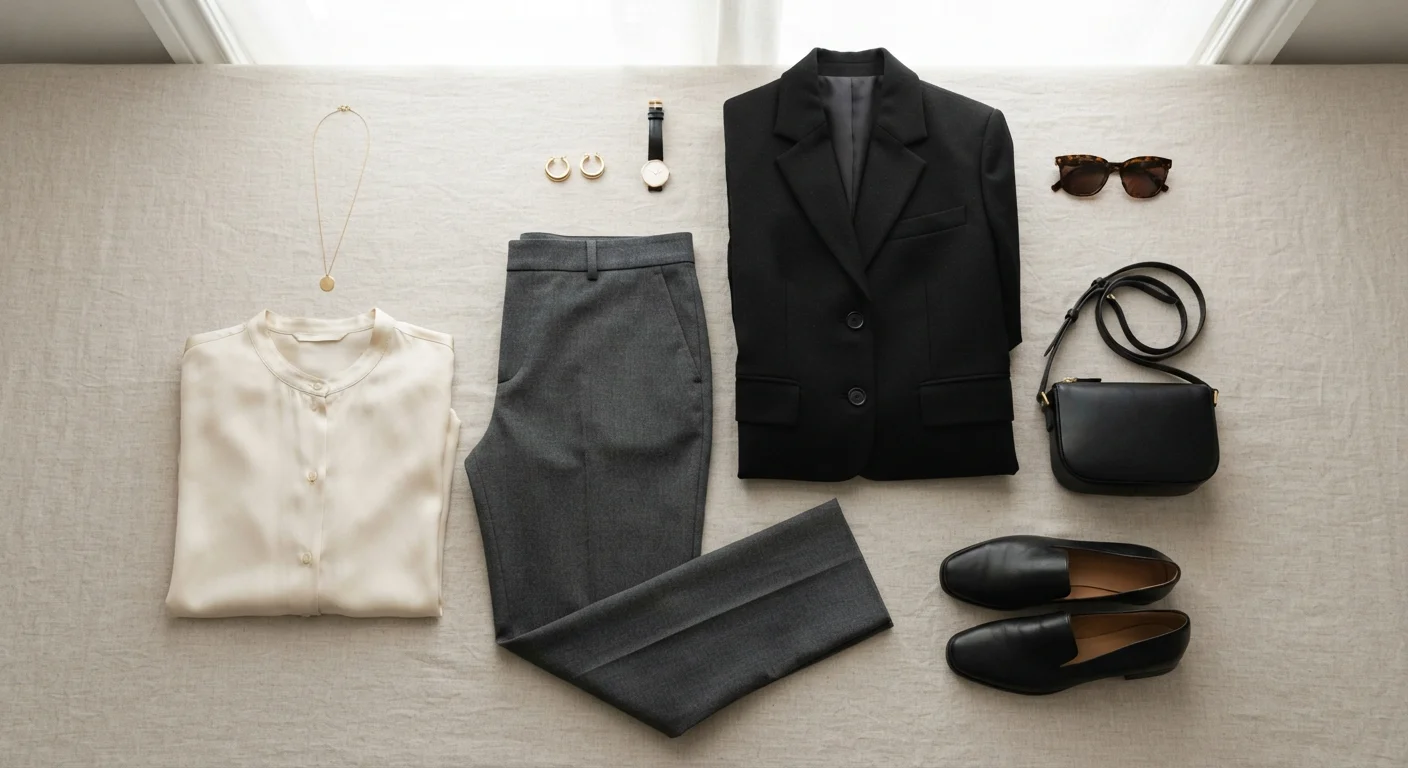
Photo credit: TopInfoTabs.com | Easy Insights For Inspiration
Discover the types of garments that genuinely work across multiple settings, and learn what makes a piece truly versatile rather than just marketed that way.
Key Takeaways
- True versatility comes from fabric quality, silhouette, and neutrality - not clever marketing.
- A few well-chosen pieces can replace many single-purpose garments in your wardrobe.
- Small accessory and footwear swaps are often enough to shift a look from day to evening.
- Fit is the single most powerful factor in making any outfit feel intentional and polished.
- Understanding dress codes helps you identify which pieces genuinely work across contexts.
Why Double-Duty Dressing Actually Works
The idea of getting dressed once and showing up confidently in two very different settings sounds like a fantasy - but it's genuinely achievable when you understand what makes a garment truly adaptable. The trick isn't buying items marketed as "day-to-night" (that phrase is often a sales shortcut). It's learning to recognise the structural qualities that give a piece real range.
Fabric drape, silhouette simplicity, and colour flexibility are the three pillars of double-duty dressing. A piece that ticks all three can usually be restyled in under two minutes with nothing more than a change of footwear or one well-placed accessory. If you've ever felt like your mornings take too long, this approach pairs naturally with streamlining your morning routine - fewer decisions, more confidence.
Below are the garment types that genuinely hold up across multiple settings, and what to look for in each.
The Fluid Midi Skirt
A midi skirt in a fluid fabric - think satin, crepe, or a lightweight jersey - is one of the hardest-working pieces in any wardrobe. During the day, pair it with a tucked-in cotton tee and flat sandals for a look that reads as polished but relaxed. In the evening, the same skirt with a fitted camisole or a fitted knit top and heeled mules shifts effortlessly into dinner-appropriate territory.
What to look for: a simple A-line or bias-cut silhouette, a hem that hits between the knee and ankle (midi length flatters most body types and reads more formally than mini), and a colour or print that isn't too casual. Solid colours and subtle prints tend to have the most range. Avoid heavily casual details like patch pockets or drawstring waistbands if versatility is the priority.
A fluid midi skirt in crepe or satin can move from office-casual to dinner-ready with one swap.
The Relaxed Tailored Trouser
Wide-leg or straight-leg tailored trousers in a mid-weight fabric sit in a sweet spot that few other pieces occupy. They're comfortable enough for a long workday, structured enough to look intentional, and easy enough to dress up or down that they rarely feel out of place. The key qualifier is tailored - the fabric should have a bit of body and the cut should be clean, not slouchy.
Neutral tones (camel, navy, black, warm grey) are the most adaptable. Pair with a relaxed linen shirt and loafers for daytime; swap to a fitted silk blouse and a strappy heel for evening. If you're someone who audits your wardrobe regularly, this is one piece worth keeping season after season.
Tailored wide-leg trousers in a neutral tone are among the most context-flexible pieces you can own.
The Silk or Satin Blouse
Silk and high-quality satin blouses occupy a unique middle ground: they feel luxurious enough for evening without looking overdressed at noon. The blouse's success as a day-to-night piece comes entirely down to fit - it should skim the body rather than cling or hang boxy. A well-fitting blouse in ivory, black, or deep jewel tones is almost infinitely restyle-able.
During the day, tuck it loosely into trousers or a skirt and add a flat shoe. For evening, a fully tucked-in blouse with a sleek trouser and pointed-toe heel is one of the most quietly elegant looks available without any real effort. Understanding what different dress codes actually require can help you confirm whether your blouse clears the bar for a given setting.
Fit is everything with a blouse - the right cut makes it feel at home in a boardroom or at a bistro.
The Unstructured Blazer
A structured blazer can feel stiff and formal; an unstructured one - made from a softer fabric with minimal internal padding - sits differently on the body and reads as either casual-cool or evening-appropriate depending on what's underneath it. This is what makes it such a reliable layering piece for day-to-evening transitions.
Worn over a simple tee with straight-leg jeans and clean sneakers or loafers, an unstructured blazer elevates a casual daytime look without overdoing it. Swap the jeans for tailored trousers and add a heel, and the same blazer works for evening plans. Neutral tones work broadly, but a blazer in a rich hue - deep green, rust, or midnight blue - can also serve as the statement piece itself, requiring very little else from the outfit.
An unstructured blazer is one of the few pieces that genuinely bridges casual and evening dressing.
The Wrap Dress
The wrap dress earns its reputation for versatility because of its adjustable fit (the tie waist accommodates body fluctuations), its inherently elegant silhouette, and the wide range of fabrics it comes in. A wrap dress in a matte jersey or crepe fabric can be worn to work with flat sandals and minimal jewellery; dressed up with heeled boots or strappy sandals and a bolder earring for evening.
The caveat: not all wrap dresses are equal. Those in loud novelty prints or very casual cotton can read as beach-adjacent rather than evening-ready. The most adaptable versions tend to come in solid colours or subtle prints, with a hem length that falls at or below the knee. The style's durability across aesthetics and body types makes it one worth considering as a long-lasting wardrobe anchor rather than a seasonal experiment.
A wrap dress in crepe or matte jersey offers silhouette flattery and styling range in equal measure.
The Simple Knit Top
A fine-gauge knit top in a fitted or gently relaxed cut - crew neck, V-neck, or scoop - is one of the most underestimated double-duty pieces. During the day, it layers easily under a blazer or over a collared shirt. In the evening, worn alone with tailored trousers or a midi skirt, a quality knit reads as deliberate and polished.
The fabric weight matters: chunky knits tend to read as weekend-casual, while fine-gauge merino or viscose blends feel more evening-appropriate. Colour is also a factor - a knit in camel, deep burgundy, soft olive, or black has significantly more styling range than one in a novelty colour or pattern. This is one of those quiet workhorses that rarely gets credited but shows up reliably across contexts.
A fine-gauge knit top is a quiet workhorse that layers by day and stands alone by evening.
Making the Transition Work in Practice
Owning the right pieces is only half the equation - knowing how to shift them matters just as much. The most reliable evening transformation tools are: a change of shoe (a heeled mule or sleek loafer instantly elevates), swapping a daytime tote for a smaller structured bag, and adding or removing a layer. That's it. You don't need a full outfit change.
The Two-Minute Evening Refresh
When transitioning from day to evening, focus on just two changes: your shoes and one accessory. Swapping flat shoes for a heeled option and adding a bolder earring or a slimmer bag is enough to shift the register of almost any outfit. Resist the urge to over-layer or over-accessorise - restraint reads as intentional.
If you're unsure whether a piece genuinely earns its space or whether it's more of a trend buy, understanding the difference between signature staples and trend pieces is worth exploring before you invest. And if the goal is dressing well across work, social, and formal contexts without losing your personal thread, adapting your look to different settings offers a practical framework. Double-duty dressing isn't about owning less - it's about owning smarter.

Author
Style & Beauty Editorial Team
Style & Beauty Editorial Team is the collective byline for our editorial team and contributor network. Articles published under this byline or an editorial pen name are researched, written, and reviewed according to our editorial standards for clarity, consistency, and independence before publication.
View all articles →