
Signature Pieces vs. Trend Pieces: Knowing When Each Earns a Place in Your Wardrobe
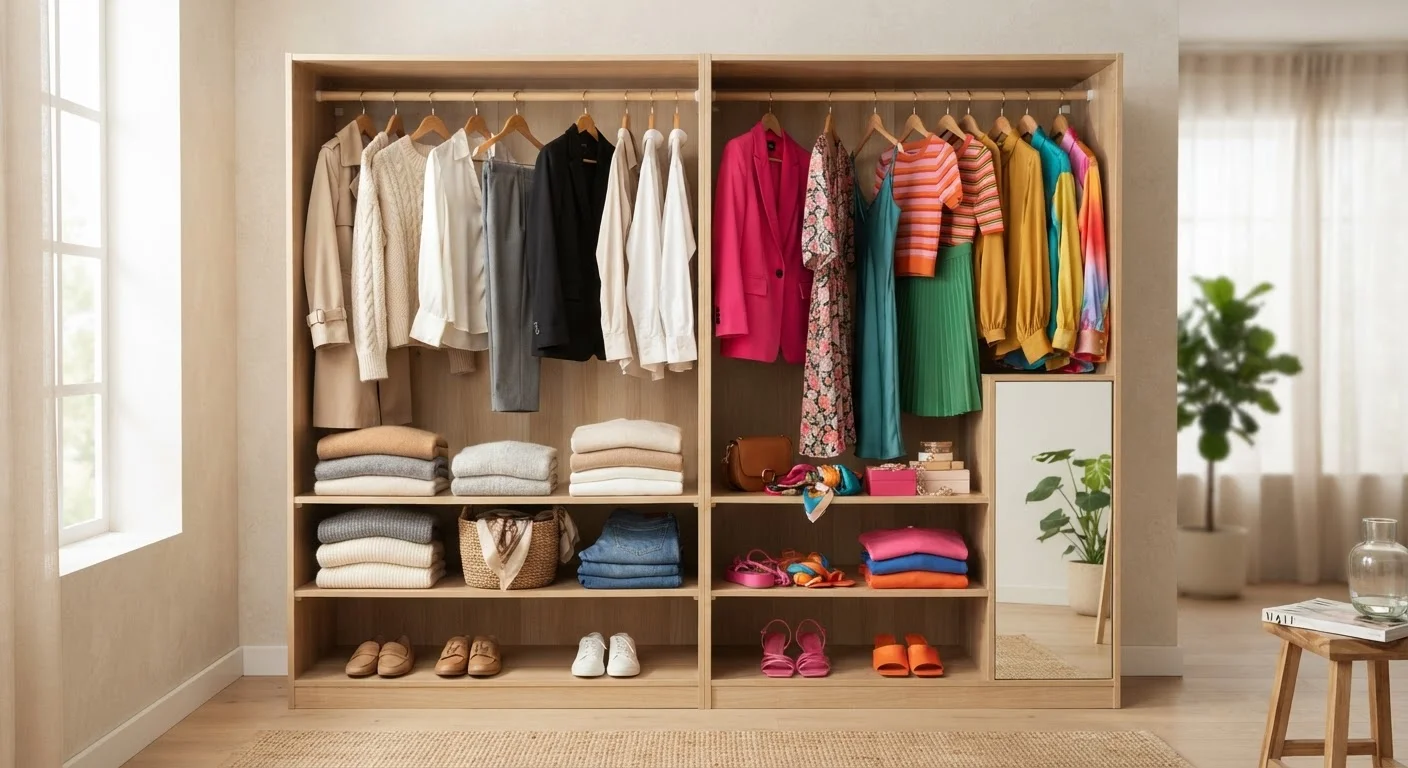
Photo credit: TopInfoTabs.com | Easy Insights For Inspiration
In this article
Not every trend deserves shelf space. Understand the difference between signature staples and trend-driven additions to shop with greater clarity.
Key Takeaways
- Signature pieces reflect your core identity and typically justify a higher cost-per-wear investment.
- Trend pieces can refresh your wardrobe but deserve careful scrutiny before earning closet space.
- The right balance depends entirely on your lifestyle, budget, and personal style goals.
- A trend becomes worth buying when it aligns with your existing aesthetic, not just the season's noise.
- Cost-per-use thinking helps separate genuinely worthwhile additions from impulse purchases.
Defining the Two Categories
Before you can build a wardrobe with real intention, it helps to understand what you're actually comparing. A signature piece is anything that feels authentically, consistently you - a tailored blazer you reach for instinctively, a specific silhouette that flatters your frame season after season, a color that appears across every corner of your closet without effort. These items don't expire because they're tied to your identity rather than a runway cycle.
A trend piece, by contrast, earns its place through cultural momentum - it's what's circulating right now through social feeds, editorial spreads, and street style. That doesn't make it trivial. Trend pieces can inject genuine joy, reflect your current creative chapter, or help you experiment before committing to something more permanent. But they operate on a different timeline.
Understanding the difference between personal style and fashion is the first step toward making this distinction feel intuitive rather than stressful.
How They Compare Across Key Criteria
These two approaches pull in different directions across several practical dimensions - longevity, versatility, cost-per-wear, and how they fit into your existing wardrobe ecosystem. The comparison below lays out where each category tends to land.
| Signature Pieces | Trend Pieces | |
|---|---|---|
| Longevity | Years to decades | One to two seasons typically |
| Versatility | High - integrates across many outfits | Variable - often works within specific looks |
| Cost-per-use potential | High - frequent wear dilutes cost | Lower unless worn repeatedly |
| Reflects personal identity | Core identity - stable over time | Current cultural moment or creative phase |
| Risk of regret | Low when chosen with self-knowledge | Higher - tied to passing momentum |
| Wardrobe role | Foundation and anchor | Accent and refresh |
Keep in mind: these are tendencies, not rules. A trend piece constructed with exceptional quality could outlast a poorly chosen "classic." Context and execution always matter.
When a Trend Piece Actually Earns Its Place
Not all trends deserve the same skepticism. Some align so naturally with your existing aesthetic that resisting them would be artificial. Here's a practical filter worth running before adding any trend-driven item to your wardrobe:
- Does it work with at least three things you already own? If you're mentally building entirely new outfits around it, that's a sign it may not actually fit your life.
- Would you have wanted it without the trend push? Strip away the editorial coverage and social momentum - does it still appeal to you?
- Can you see wearing it two or three years from now? Some trends have enough staying power to transition into signature territory. Others are genuinely seasonal.
Style longevity is worth thinking about here - pieces that start as trends and eventually feel like "yours" are the ones worth the investment.
Try the "Still Love It?" Rule
Before buying a trend piece, save it to a wish list and revisit it two weeks later. If the appeal has faded without the original scroll-and-impulse context, it probably wasn't meant for your wardrobe. If it still excites you, that's a meaningful signal. This simple pause can save both money and closet space over time.
Building Your Signature Foundation First
Signature pieces aren't about minimalism for minimalism's sake - they're about efficiency and self-knowledge. When you know what your core pieces are, getting dressed becomes faster, more confident, and less driven by external noise.
One useful framework: think about the three or four garments you've worn the most over the past year. Chances are they share some common thread - a fabric weight, a fit, a color family. That overlap is your signature vocabulary. Building around it means new additions (whether signature or trend-adjacent) integrate seamlessly instead of creating closet clutter.
This connects directly to the broader question explored in owning a signature style - a defined aesthetic can be liberating, not constraining, when it's genuinely yours.
If you're thinking about this more structurally, comparing a capsule wardrobe versus a curated closet approach can help clarify how much structure you actually want.
Cost-Per-Use and the Real Value Question
One of the clearest ways to evaluate any potential purchase - signature or trend - is cost-per-use thinking. A pricier item worn 80 times over three years will cost less per wearing than an inexpensive piece worn twice and forgotten. This isn't an argument for spending more; it's an argument for spending intentionally.
Trend pieces tend to have a shorter active window, which means they need to either hit a low enough price point to justify limited use, or be genuinely versatile enough to extend their wearability beyond the trend's peak. Understanding value versus price is a framework that applies here just as much as it does in any other purchase category.
It's also worth considering the broader wardrobe philosophy at play - fast fashion versus slow fashion dynamics directly shape how trend pieces are priced, made, and how long they're designed to last.
~30%
Clothes never worn after purchase
Research by various wardrobe consultants and sustainability analysts suggests roughly 30% of clothing in the average closet goes unworn - often trend purchases that didn't integrate into real outfits.
Cost-per-use
The metric stylists recommend
Many professional stylists and personal finance educators cite cost-per-use as a more meaningful measure of clothing value than upfront price alone.

Author
Style & Beauty Editorial Team
Style & Beauty Editorial Team is the collective byline for our editorial team and contributor network. Articles published under this byline or an editorial pen name are researched, written, and reviewed according to our editorial standards for clarity, consistency, and independence before publication.
View all articles →