
What Is Personal Style - And Why It's Not the Same as Fashion
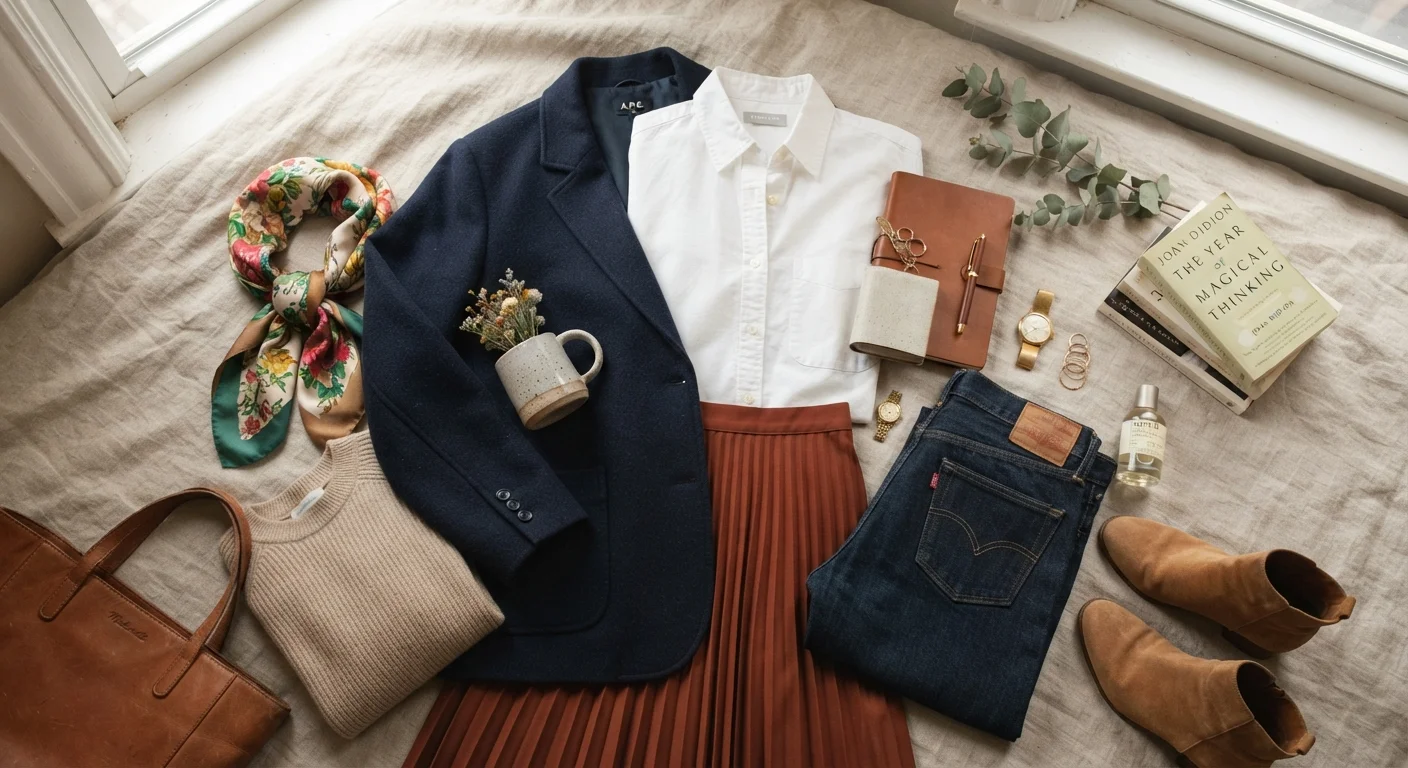
Photo credit: TopInfoTabs.com | Easy Insights For Inspiration
In this article
Personal style and fashion are often confused. Learn what sets them apart and why understanding the difference helps you dress with more intention.
Key Takeaways
- Fashion is a trend cycle driven by the industry; personal style is the expression you own.
- Personal style evolves gradually and reflects your identity, not the season's palette.
- You can engage with trends selectively without abandoning your personal aesthetic.
- Defining your style reduces decision fatigue and makes getting dressed feel easier.
- Style clarity starts with noticing what you already reach for - not what you think you should wear.
Fashion vs. Personal Style: Two Very Different Things
The words 'fashion' and 'style' get used interchangeably all the time - but they mean fundamentally different things. Fashion is an industry. It operates on seasonal calendars, trend forecasts, and commercial momentum. It tells you what's new, what's now, and (implicitly) what's already over.
Personal style, on the other hand, is a point of view. It's the sum of aesthetic choices you return to again and again - the silhouettes you feel at home in, the color palette that makes you feel like yourself, the details that signal something about who you are before you've said a word. Fashion is external and ever-moving. Personal style is internal and - at its best - relatively stable.
Confusing the two is one of the most common reasons people feel perpetually behind, overwhelmed by their closets, or disconnected from what they own. When you dress for fashion, you're chasing a moving target. When you dress from personal style, you're working from a foundation.
“Style is knowing who you are, what you want to say, and not giving a damn. Fashion is what you're offered four times a year by designers. Style is what you choose.”
— Lauren Hutton, Model and actress known for her decades-long influence on American style
Why Personal Style Has Nothing to Do With How Much You Know About Trends
A widespread misconception is that developing personal style requires deep fashion knowledge - knowing your Phoebe Philo from your Rei Kawakubo, or tracking what appeared at recent runway shows. It doesn't. Personal style is about self-knowledge, not industry literacy.
The most style-coherent people often can't name a single trend from the current season. What they can do is articulate - or at least intuitively demonstrate - what feels right to them. That clarity comes from paying close attention to their own reactions: what makes them feel confident, what they avoid even when it's everywhere, what they'd wear regardless of whether anyone else approved.
~33%
Of wardrobe items typically never worn
Wardrobe psychology research has suggested that a significant portion of most people's clothing goes unworn - often because purchases were trend-driven rather than style-aligned.
2-3 years
Typical time to solidify a personal style
Style educators and wardrobe consultants commonly note that most people take at least a couple of years of intentional experimentation before their aesthetic becomes consistent and self-reinforcing.
This is also why personal style tends to age better than trend-driven dressing. Trends are designed to expire. Personal style, when it's genuinely yours, has a kind of built-in longevity. For more on that distinction, see our piece on what separates a passing phase from a lasting aesthetic.
How to Start Recognizing Your Own Style Signature
The clearest window into your personal style isn't a quiz or a mood board - it's your existing wardrobe. Specifically, the things you reach for without thinking. Those automatic choices reveal genuine preference far more accurately than what you wish you wore or what you buy impulsively.
Try this: look at the last ten outfits you actually wore (not your favorites - just what you actually put on). Notice any recurring elements. A preference for relaxed fits? A consistent neutral base with one expressive piece? A pattern of layering? Those tendencies are the raw material of your style identity.
Try the 'Worn Not Owned' Audit
Instead of organizing your closet by category, sort everything into two piles: what you've actually worn in the past three months, and what you haven't. The 'worn' pile tells you far more about your real style than your 'someday' aspirations. Use it as your baseline, not your wish list.
From there, the goal is to make those patterns more intentional - to build a wardrobe that reflects them rather than one that competes with them. Our complete personal style guide offers a detailed roadmap if you're ready to take that step.
Explore more practical ideas in the Everyday Fashion hub, where we break down accessible, real-life style strategies designed to work with your actual life - not an idealized one.
Frequently Asked Questions

Author
Style & Beauty Editorial Team
Style & Beauty Editorial Team is the collective byline for our editorial team and contributor network. Articles published under this byline or an editorial pen name are researched, written, and reviewed according to our editorial standards for clarity, consistency, and independence before publication.
View all articles →