
From Closet Chaos to Style Clarity: A Complete Personal Style Guide
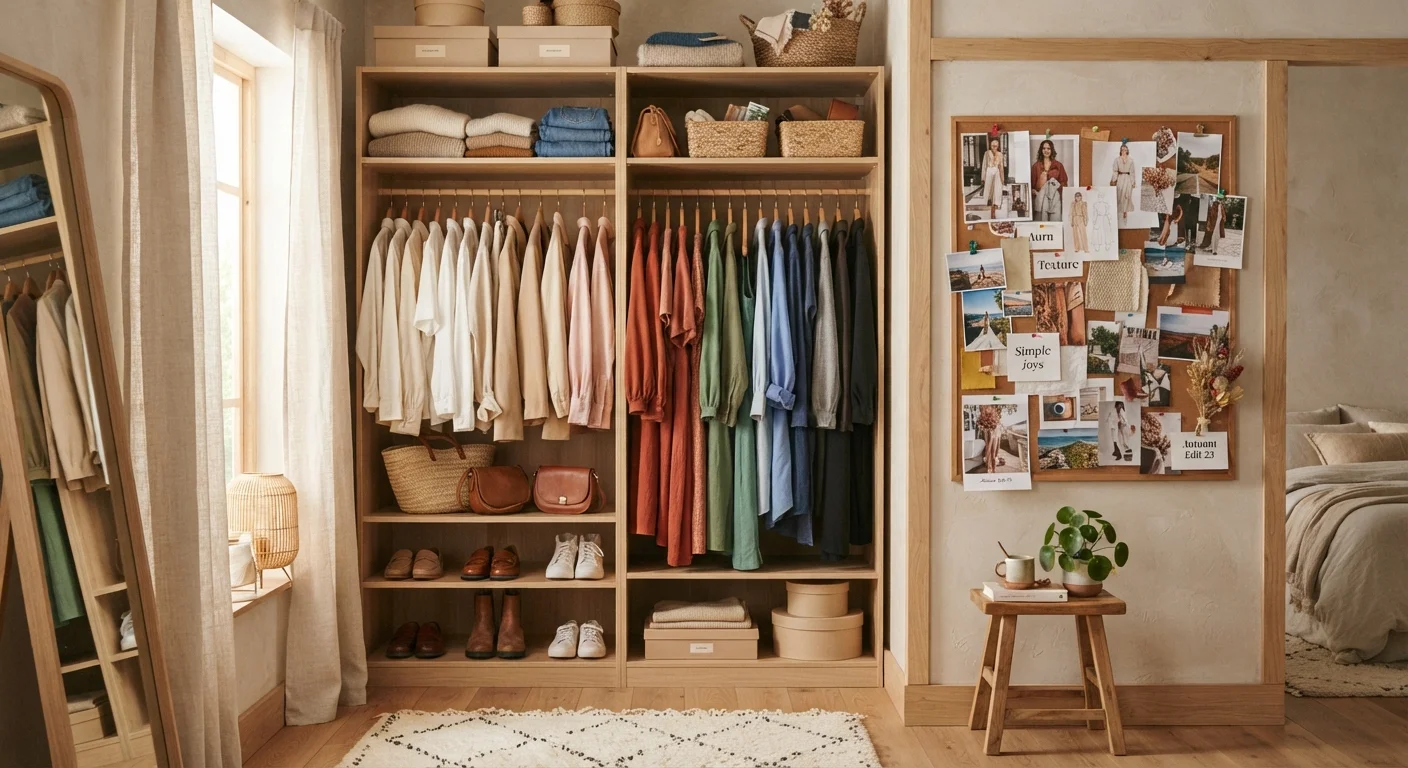
Photo credit: TopInfoTabs.com | Easy Insights For Inspiration
In this article
A comprehensive, end-to-end guide to understanding, developing, and sustaining a personal style that reflects who you are — not just what's trending.
Key Takeaways
- Personal style is a reflection of identity, not a reaction to seasonal trends.
- A closet audit removes the noise so your true preferences can surface.
- Style identity is built by observing patterns in what you actually reach for.
- Intentional shopping - buying less but more thoughtfully - saves money and stress.
- Clothing care and smart storage extend garment life and protect your investment.
- Style evolves naturally; revisiting your wardrobe seasonally keeps it aligned with your life.
Why Personal Style Matters More Than Trends
Trends move fast. Personal style, when developed thoughtfully, stays with you. The difference between a wardrobe you love and one that overwhelms you usually comes down to one question: are you dressing for yourself, or for whoever set this season's agenda?
Research in psychology consistently links clothing choices to self-perception and confidence - a concept sometimes called enclothed cognition. When what you wear aligns with how you see yourself, getting dressed stops being a daily stressor and becomes something genuinely enjoyable.
Explore the broader world of everyday fashion for practical inspiration as you begin this journey.
Start With Feeling, Not Formula
When you're trying to define your style, resist the urge to start by browsing trend reports or style archetypes online. Instead, spend a week paying attention to the outfits you already own that make you feel genuinely good. Those moments are your data - far more reliable than any external framework.
Audit Your Closet and Start Fresh
Before you can build anything meaningful, you need a clear picture of what you already own. Pull everything out - yes, everything - and sort into three honest categories: love and wear it, keep but rarely touch it, and ready to release it.
The items in that middle category are where most wardrobe confusion lives. Ask yourself: does this fit my body right now? Does it make me feel the way I want to feel? If the answer to both isn't yes, it's time to let it go.
Donating, swapping with friends, or responsibly reselling clothes you no longer connect with clears physical and mental space. A leaner closet is easier to navigate and makes your genuine preferences far more visible.
Avoid the 'Fresh Start' Shopping Trap
A closet audit can create an exciting feeling of possibility - but resist the urge to immediately fill the gaps with a large haul of new pieces. Living with a slightly pared-down wardrobe for a few weeks reveals what you actually miss versus what you thought you needed. Shopping before that clarity arrives often just restocks the chaos.
Discovering Your Style Identity
Style identity isn't assigned - it's observed. Start paying attention to which outfits make you stand a little taller, which colors you gravitate toward without thinking, and which silhouettes feel like you rather than a costume.
Creating a visual reference - a physical mood board or a saved-images folder on your phone - is one of the most effective ways to spot your own patterns. After collecting images for a few weeks, themes emerge: maybe it's always relaxed and earthy, maybe it leans structured and monochrome.
33%
Clothes worn rarely or never after purchase
According to a widely cited Oxfam survey, roughly one-third of clothing items are rarely or never worn after being bought.
2x
Increase in garments produced globally since 2000
The Ellen MacArthur Foundation has reported that global clothing production approximately doubled between 2000 and 2015, contributing to wardrobe overwhelm.
Journaling can also help. Reflecting on why certain outfits feel right builds the kind of self-awareness that anchors lasting style decisions. See how journaling builds self-awareness for techniques you can adapt to this process.
Before saving an image to your style mood board, ask yourself: do I want to wear this, or do I just admire it? Only the former belongs in your reference collection.
Many people unconsciously build boards that reflect aspirational fantasy rather than wearable reality, which leads to purchases that never get worn.
Photograph your favorite outfits on days you feel great in them - these snapshots become your most reliable style reference over time.
Visual records of outfits you actually wore and loved are far more accurate style data than anything external, because they capture your real life and real body.
Building a Cohesive Wardrobe Intentionally
A cohesive wardrobe isn't about wearing the same thing every day - it's about owning pieces that genuinely work together. Start with a palette of colors you love and that mix easily. Then consider a core range of silhouettes that flatter you and suit your daily life.
Before adding anything new, ask: does this work with at least three things I already own? Does it fit my actual lifestyle - not a fantasy version of it? These two questions alone can dramatically cut impulsive purchases that sit unworn.
For a deeper look at the principles behind this approach, our guide on dressing with intention walks through a practical framework for wardrobe coherence.
Lifestyle Fit Is Non-Negotiable
A wardrobe built around who you wish you were - rather than how you actually spend your days - will always feel wrong. If you work from home most of the week, a closet full of formal attire creates daily friction, not style. Ground every wardrobe decision in the life you're living now, not a hypothetical future version.
Sustaining Your Style Without Overspending
One of the most common traps in personal style development is conflating style with spending. A well-defined personal style actually tends to reduce shopping frequency - because you know what you're looking for and can recognize what doesn't fit your vision.
That said, building a wardrobe over time does involve financial decisions. It's worth noting that shopping on credit without a clear repayment plan can create stress that undercuts the confidence you're trying to build. General information on managing credit responsibly is available through resources like our debt and credit guidance.
Practical approaches that don't require large outlays include clothing swaps with friends, exploring secondhand options, and investing in quality for the highest-wear categories in your closet.
Style Clarity Takes Time
Don't expect to define your personal style in a single weekend. Most people find that it takes a full year - moving through different seasons, occasions, and moods - before consistent patterns become obvious. That's completely normal. Treat it as a process of self-discovery rather than a problem to solve quickly.
Keeping Your Wardrobe Working Long-Term
Personal style is a living thing - it should shift as your life, body, and values evolve. Revisiting your wardrobe each season with fresh eyes keeps it from sliding back into chaos. A quick seasonal check-in (does this still fit? does this still feel like me?) takes under an hour and saves months of morning frustration.
Proper garment care is also part of the equation. Clothes that are washed correctly, stored thoughtfully, and repaired promptly last significantly longer - which means fewer replacement purchases and a more stable wardrobe over time. Our complete guide to caring for everyday clothes covers everything from washing to storage in practical detail.
Style clarity isn't a destination you arrive at once. It's an ongoing, enjoyable process of listening to yourself - and getting better at dressing in a way that honestly reflects who you are right now.

Author
Style & Beauty Editorial Team
Style & Beauty Editorial Team is the collective byline for our editorial team and contributor network. Articles published under this byline or an editorial pen name are researched, written, and reviewed according to our editorial standards for clarity, consistency, and independence before publication.
View all articles →