
Dressing With Intention: Principles for a More Cohesive Wardrobe
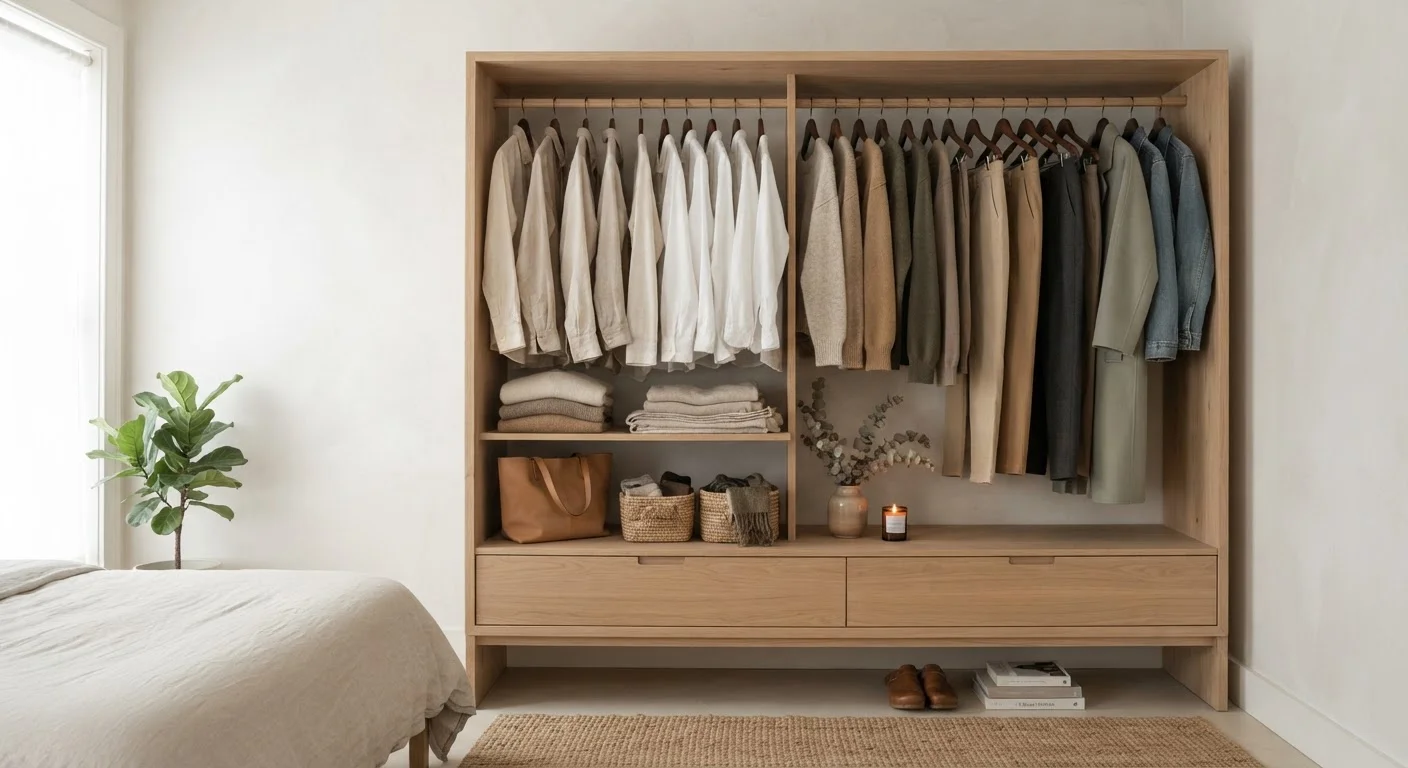
Photo credit: TopInfoTabs.com | Easy Insights For Inspiration
In this article
Explore the core principles behind intentional dressing — from defining a style vision to making choices that hold together across seasons.
Key Takeaways
- Intentional dressing starts with defining a personal style vision, not following trends.
- A cohesive wardrobe relies on a consistent color story and repeatable outfit structures.
- Regular wardrobe audits help you understand your real habits and preferences.
- Shopping with specific gaps in mind prevents impulse purchases that don't integrate.
- Style coherence is about feeling like yourself across all contexts, not uniformity.
What Intentional Dressing Actually Means
Intentional dressing isn't about owning fewer things or following a rigid formula. It's about making choices - what to keep, what to buy, what to wear - with a clear sense of your own aesthetic and actual life. The result is a wardrobe that works with you instead of generating daily frustration.
Most wardrobe overwhelm stems from the same root problem: clothes collected without a guiding vision. Trend-chasing, impulse purchases, and gifts-we-never-wear pile up until the closet feels chaotic even when it's technically full. Intentional dressing interrupts that cycle by giving every choice a reference point: Does this fit how I want to feel and live?
If you're starting from scratch, the beginner's guide to building a capsule wardrobe offers a practical entry point. But even before you think about specific pieces, defining your style vision is step one.
Core Principles for a Cohesive Wardrobe
These practices form the foundation of intentional dressing. They're not rules to follow perfectly - they're reference points to return to whenever your wardrobe starts to drift.
Define your style in your own words before buying anything new
Without a personal style reference, every purchase decision is made in a vacuum. Writing down three to five adjectives that describe how you want to look and feel - structured, relaxed, colorful, understated - gives you a filter that's far more reliable than trend alerts. This verbal anchor helps you recognize at a glance whether a new piece belongs in your wardrobe.
Build your wardrobe around a consistent color story
When your clothes share a coherent color palette - even a loose one - everything becomes easier to combine. You spend less time forcing mismatched pieces together and more time getting dressed efficiently. A color story doesn't mean wearing one shade; it means choosing tones that naturally talk to each other.
Shop to fill specific, identified gaps rather than browsing for inspiration
Browsing is how impulse purchases happen. When you shop without a clear need in mind, you're susceptible to whatever is compelling in the moment - which may have nothing to do with your actual wardrobe. Identifying gaps first (no transitional-weight jacket, no comfortable but polished shoe) gives each shopping trip a defined mission.
Prioritize fit above all other considerations
Clothing that fits well looks intentional almost regardless of price point. Conversely, even expensive pieces look off when they pull, gap, or hang incorrectly. Good fit communicates that you've made a deliberate choice - and that confidence reads clearly to others. Simple tailoring adjustments can transform a near-miss into a wardrobe staple.
Evaluate new pieces by how many existing items they pair with
A useful test for any potential purchase is to mentally run through at least three outfits you could build around it using clothes you already own. If you can't get to three, the piece may be a standalone that adds novelty without adding flexibility. High-integration items - those that work across multiple combinations - deliver more value per wear.
Start With a Wardrobe Audit
Before adding anything new, it pays to understand what you already have - and more importantly, what you actually reach for. A wardrobe audit strips away assumption and reveals your real preferences. What you repeatedly ignore is just as informative as what you love.
Once you know your wardrobe's current shape, you can identify genuine gaps rather than shopping at random. That shift - from browsing to purposeful acquisition - is one of the most powerful changes intentional dressing delivers. For a deeper exploration of how two different approaches to curation compare, see capsule wardrobe vs. curated closet.
Keeping Your Style Thread Across Contexts
A well-defined style doesn't disappear when the context changes. Work, weekends, and formal occasions all call for different looks - but they can still share the same underlying aesthetic. The goal isn't a uniform; it's recognizability. Dressing across different contexts while staying true to your style thread is a skill that develops naturally once your core aesthetic is clear.
Style Coherence Is Personal, Not Universal
There's no single 'correct' aesthetic for an intentional wardrobe. A maximalist wardrobe can be just as coherent as a minimalist one - what matters is that the choices share a logic that reflects you. The point of these principles is to help you discover and reinforce your own logic, not to conform to a particular look. If your instinct is color and pattern, lean into that with as much intention as someone building an all-neutral palette.
If decision fatigue is a recurring issue, the outfit formula approach offers a practical way to build reliable combinations that take the daily guesswork out of getting dressed - without sacrificing personality.
For a comprehensive look at developing and sustaining your personal style from the ground up, From Closet Chaos to Style Clarity covers the full journey in one place.

Author
Style & Beauty Editorial Team
Style & Beauty Editorial Team is the collective byline for our editorial team and contributor network. Articles published under this byline or an editorial pen name are researched, written, and reviewed according to our editorial standards for clarity, consistency, and independence before publication.
View all articles →