
Dental Care in Dogs and Cats: What Most Owners Overlook
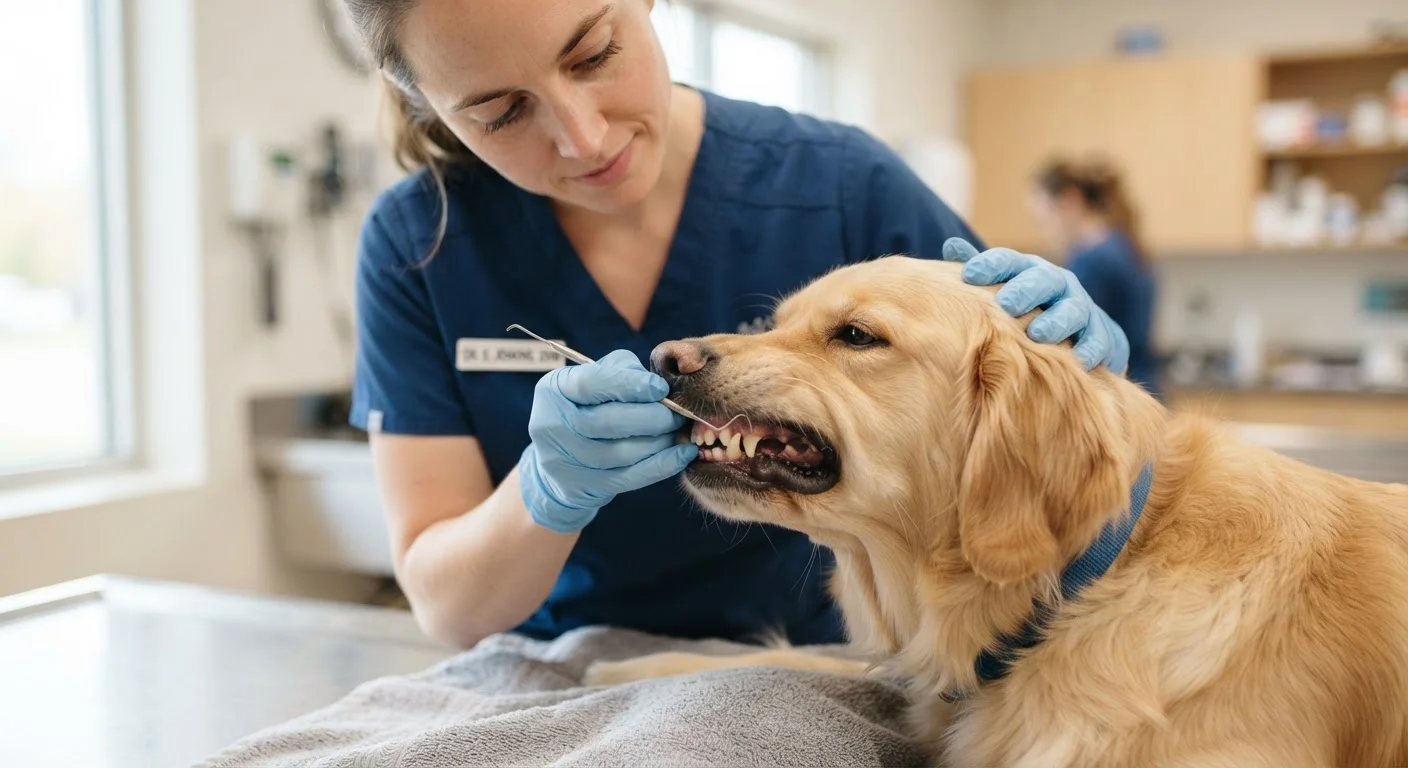
Photo credit: TopInfoTabs.com | Easy Insights For Inspiration
In this article
Oral health affects far more than a pet's breath. Understand why dental hygiene matters and what a basic care routine looks like at home.
Key Takeaways
- Periodontal disease affects the majority of dogs and cats by age three, yet often goes undetected.
- Skipping home brushing allows plaque to harden into tartar within 24 to 72 hours.
- Professional veterinary cleanings remain necessary even with a consistent home care routine.
- Oral bacteria can enter the bloodstream and contribute to organ damage over time.
- Cats and dogs show pain from dental disease differently - subtle signs are easy to miss.
Why Dental Health Is a Whole-Body Issue
Most pet owners understand that good nutrition and exercise matter - but oral health tends to get far less attention until a problem becomes visible. The mouth is one of the body's primary entry points for bacteria, and in dogs and cats, the consequences of poor dental hygiene extend well beyond the gumline.
Periodontal disease - inflammation and infection of the structures supporting the teeth - is among the most common health conditions diagnosed in companion animals. It develops silently and progresses quickly without intervention. For a deeper look at what healthy and diseased mouths look like, see our companion guide to pet dental health.
Dental Disease Has Systemic Consequences
Research from veterinary institutions indicates that untreated periodontal disease can allow oral bacteria to enter the bloodstream, potentially affecting the heart, kidneys, and liver. This means dental neglect is not just a comfort issue - it can shorten a pet's life. If your pet has not had a dental evaluation recently, speak with your veterinarian about scheduling one.
The good news is that much of the damage is preventable. Building dental care into your routine - alongside grooming, exercise, and regular vet visits - makes a meaningful difference. If you're looking to build a broader home care routine, our guide on home grooming fundamentals covers complementary habits worth adopting.
Common Dental Care Mistakes - and How to Correct Them
The following mistakes represent the most frequently observed gaps in home dental care. Understanding why they happen makes it easier to course-correct without judgment.
Assuming bad breath is normal and not a symptom worth addressing.
Why it happens: Many owners accept persistent mouth odor as a quirk of pet ownership rather than recognizing it as a common early sign of bacterial buildup or gum disease.
Never attempting home toothbrushing because the pet resists initially.
Why it happens: First attempts are often uncomfortable for both pet and owner, and many people give up before the animal has had time to adjust to the routine.
Relying entirely on dental chews or water additives as a substitute for brushing.
Why it happens: These products are marketed with credible-sounding claims, and owners reasonably hope a simpler method will suffice.
Skipping annual professional dental cleanings because the pet seems fine.
Why it happens: Pets do not visibly complain about tooth pain the way humans do, so owners often assume that no visible distress means no dental problem.
Missing the subtle behavioral signs that a pet is experiencing oral pain.
Why it happens: Dogs and cats instinctively mask pain, and changes like reluctance to chew, dropping food, or pawing at the mouth can be easy to attribute to other causes.
Never Use Human Toothpaste on Pets
Human toothpastes commonly contain fluoride and xylitol, both of which are toxic to dogs and cats. Always use a toothpaste formulated specifically for pets. Your veterinarian can advise on appropriate products suited to your pet's size and temperament.
80%
Dogs showing periodontal disease signs by age three
According to the American Veterinary Dental College, approximately 80% of dogs and 70% of cats show signs of oral disease by age three.
24-72 hrs
Time for plaque to mineralize into tartar
Veterinary dental resources note that plaque can harden into calculus (tartar) within 24 to 72 hours if not mechanically disrupted by brushing.
Dogs and cats are skilled at concealing discomfort, which means many dental problems are only caught during veterinary exams - or after they have progressed significantly. Keeping records of behavioral changes is a practical habit; our vet appointment checklist offers a simple framework for tracking what you observe between visits.
Dental care doesn't exist in isolation from the rest of your pet's health picture. Diet, hydration, and overall physical condition all play supporting roles. For dog owners working on a comprehensive care plan, a structured daily routine can help keep dental habits consistent.
This article is for general informational purposes and is not a substitute for professional veterinary advice. Always consult a licensed veterinarian for guidance specific to your pet's health needs.

Author
Pets & Animals Editorial Team
Pets & Animals Editorial Team is the collective byline for our editorial team and contributor network. Articles published under this byline or an editorial pen name are researched, written, and reviewed according to our editorial standards for clarity, consistency, and independence before publication.
View all articles →