
Pet Dental Health From the Inside Out
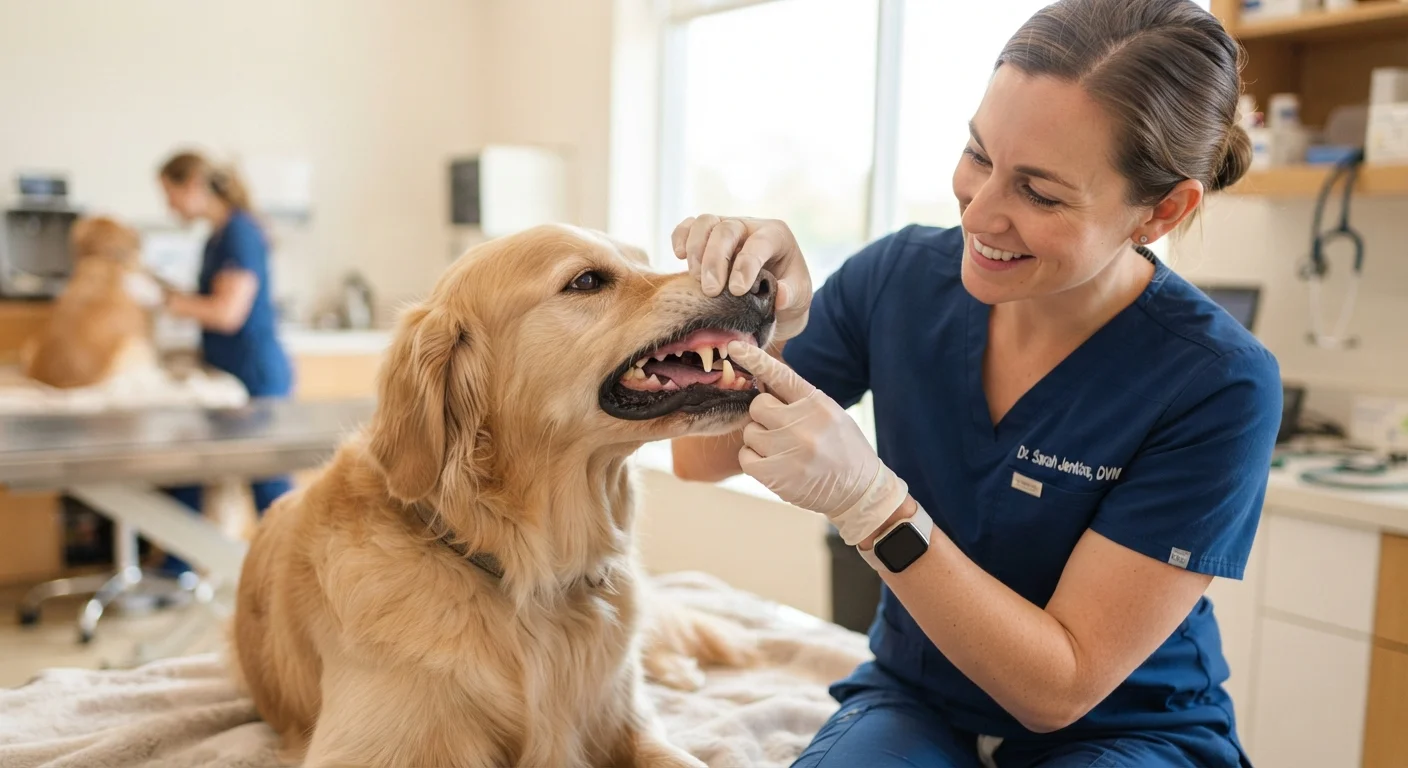
Photo credit: TopInfoTabs.com | Easy Insights For Inspiration
In this article
Tooth decay, gum disease, and bad breath in pets are more than cosmetic issues. Learn what good and poor oral health looks like and why it matters.
Key Takeaways
- Periodontal disease affects an estimated 80% of dogs and 70% of cats by age three.
- Bad breath in pets is often a symptom of bacterial buildup, not a normal trait.
- Oral infections can spread bacteria through the bloodstream to vital organs.
- Home dental care between veterinary cleanings meaningfully slows tartar progression.
- Annual or biannual professional cleanings are the standard of care for most adult pets.
Why Oral Health Is a Whole-Body Issue
When most owners think about pet dental health, they picture bad breath or yellowed teeth. But the mouth is a gateway to the rest of the body - and what happens there doesn't stay there. The gums are richly supplied with blood vessels, and when bacterial infection takes hold in oral tissue, it can circulate systemically. Veterinary research has linked chronic periodontal disease in pets to increased stress on the kidneys, heart valves, and liver, though the full picture of causation versus correlation continues to be studied.
This is why dental health belongs in the same conversation as nutrition and weight management. Just as excess weight strains a pet's joints and organs, unmanaged oral disease quietly taxes the body over time. Understanding that connection helps owners take dental care seriously - not as a cosmetic chore, but as a genuine health priority.
~80%
Dogs with periodontal disease by age three
According to the American Veterinary Medical Association, the vast majority of dogs show signs of dental disease by their third year of life.
~70%
Cats affected by dental disease by age three
Veterinary dental specialists estimate a comparable prevalence of periodontal disease in cats, much of it going undetected without professional examination.
1 in 3
Pet owners who brush their pet's teeth regularly
Surveys of US pet owners consistently show that routine toothbrushing remains underutilized despite being the most recommended home dental intervention.
What Healthy and Unhealthy Mouths Look Like
Knowing what to look for is the first step. A healthy pet mouth has teeth that are white to light yellow, with no visible brown or gray deposits along the gumline. Gums should appear pink, smooth, and firm - not red, puffy, or receding. The breath may carry a mild odor, but should not be noticeably foul.
Signs of trouble include:
- Tartar accumulation: A brownish, rough crust on tooth surfaces - particularly near the gumline on the back molars and canines - indicates mineral-hardened plaque that brushing alone cannot remove.
- Gingivitis: A red, inflamed line along the gumline suggests early-stage gum disease. Gums may bleed easily when touched.
- Tooth resorption: Common in cats, this condition causes the tooth structure to erode, often starting below the gumline and progressing painfully.
- Halitosis: Persistent bad breath signals significant bacterial activity, often deeper than surface plaque.
- Behavioral clues: A pet that drops food, chews on one side, pawing at the mouth, or shows reluctance to eat hard food may be experiencing oral pain.
For a deeper look at what a home dental care routine can include, see our companion guide: dental care in dogs and cats.
Lift the Lip for a Quick Check
Make it a habit to gently lift your pet's lip and inspect the back molars and gumline once a week. These areas accumulate tartar fastest and are easy to miss. Early detection of redness, buildup, or loose teeth allows your vet to intervene before disease advances.
The Role of Home Care and Professional Cleanings
Daily toothbrushing with a pet-safe toothpaste is widely considered the most effective home intervention for slowing plaque and tartar development. Enzymatic toothpastes formulated for animals - available in a range of flavors - work by chemically disrupting the biofilm that leads to tartar. Human toothpaste contains compounds toxic to pets and should never be used.
Consistency matters more than perfection. Even brushing three to four times per week produces a meaningful reduction in plaque compared to no brushing at all. Dental chews, water additives, and specially designed toys can provide supplementary benefit, though they are not substitutes for mechanical cleaning or professional scaling.
Professional dental cleanings, performed under general anesthesia, allow veterinarians to scale below the gumline - an area impossible to reach at home - take dental X-rays, probe for pockets, and extract teeth that are no longer viable. Most adult pets benefit from at least one professional cleaning per year, though frequency depends on breed, diet, individual anatomy, and home care habits.
Dental health also intersects with broader grooming routines. Our home grooming guide for first-time owners covers how to integrate oral care into a regular at-home routine alongside coat, nail, and ear care.
Anesthesia-Free Cleanings: An Important Caveat
Some grooming salons offer anesthesia-free dental scaling. While the results may look cosmetically improved, this approach cannot safely address the area below the gumline where disease begins, and it may stress the animal. Major veterinary organizations advise that thorough dental cleaning requires anesthesia performed by a licensed veterinary team.
This article provides general information about pet dental health and is not a substitute for professional veterinary advice. If you have concerns about your pet's teeth, gums, or overall health, consult a licensed veterinarian.
Frequently Asked Questions

Author
Pets & Animals Editorial Team
Pets & Animals Editorial Team is the collective byline for our editorial team and contributor network. Articles published under this byline or an editorial pen name are researched, written, and reviewed according to our editorial standards for clarity, consistency, and independence before publication.
View all articles →