
The Daily Routine Every Dog Owner Should Know
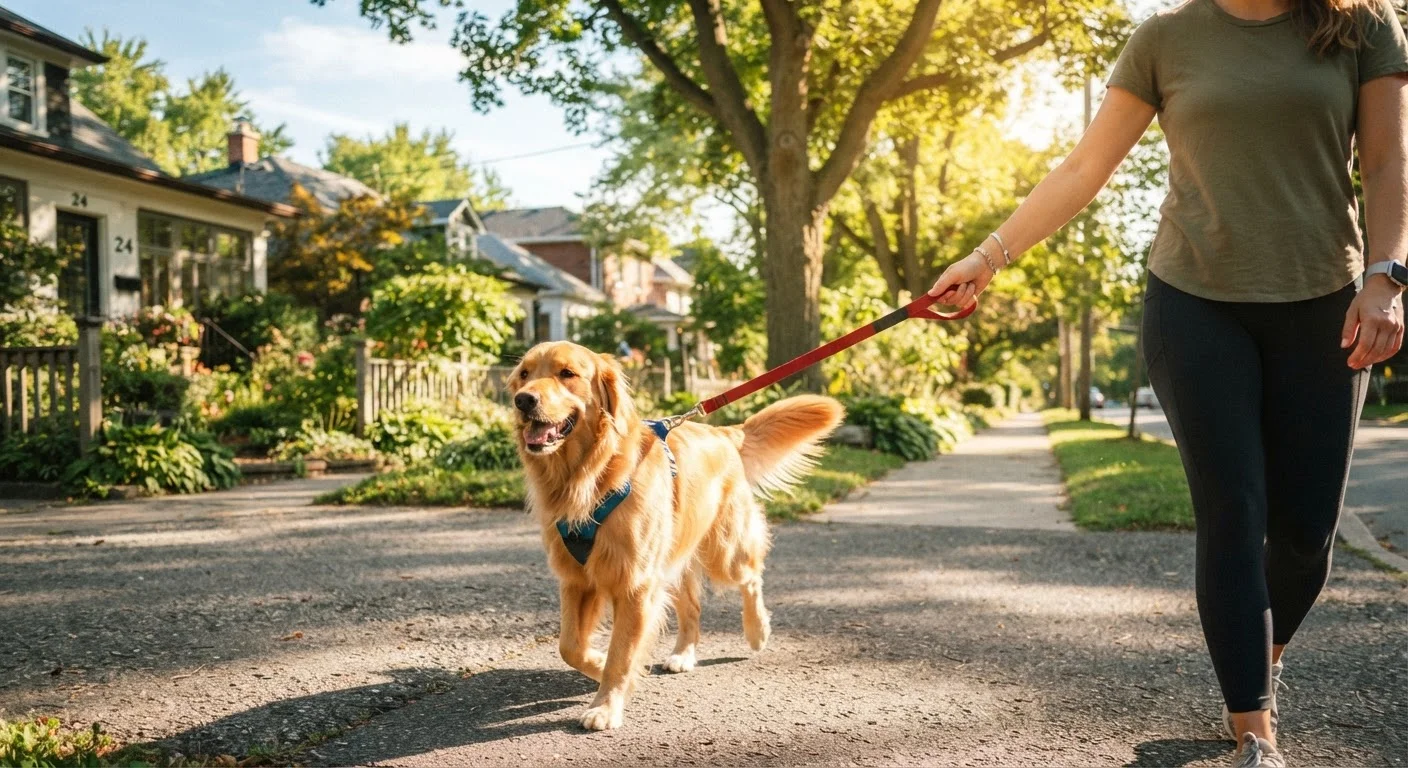
Photo credit: TopInfoTabs.com | Easy Insights For Inspiration
In this article
From morning walks to evening meals, learn what a consistent daily care routine looks like for a healthy, happy dog.
Key Takeaways
- Dogs thrive on predictable schedules - consistent timing for meals, walks, and rest reduces anxiety.
- Mental stimulation is just as important as physical exercise for a dog's daily wellbeing.
- Brief daily health checks at home can help owners catch early signs of illness before they escalate.
- Socialization, play, and training woven into everyday routines support long-term behavioral health.
Why Routine Matters for Dogs
Dogs are creatures of habit. Their nervous systems respond to predictability - knowing when to expect food, exercise, and rest lowers baseline stress and can reduce common behavioral problems such as destructive chewing, excessive barking, or separation anxiety. Veterinary behaviorists consistently note that unpredictable environments are a leading contributor to anxiety-related disorders in companion animals.
A structured daily routine doesn't have to be rigid to the minute, but it should follow a reliable rhythm. Dogs tune into environmental cues - the sound of a leash, the rustle of a food bag - and begin anticipating what comes next. Honoring that anticipation builds trust. For a broader foundation on dog health and wellness, see the Pet Health & Wellness hub.
Every Dog Is an Individual
General routine guidelines provide a useful framework, but individual dogs vary significantly based on breed, age, health status, and temperament. A working breed like a Border Collie needs substantially more exercise and mental engagement than a Basset Hound. Use these guidelines as a starting point and refine them in consultation with your veterinarian.
Morning: Start With Movement and Feeding
The morning sets the tone for a dog's entire day. A brisk walk first thing in the morning serves multiple purposes: it gives dogs the opportunity to relieve themselves, provides physical exercise, and offers valuable sensory enrichment through smells, sights, and sounds. Even 15-20 minutes of purposeful walking can meaningfully lower a dog's arousal levels before the household day begins.
Feeding should follow a consistent schedule rather than free-feeding throughout the day. Most adult dogs do well with two measured meals daily - morning and evening - which also makes housetraining more predictable. Portion sizes should be guided by your veterinarian based on your dog's age, weight, and health status. Refer to a first-time owner's health foundation guide for guidance on nutrition basics.
Midday: Mental Engagement and Rest
Dogs left alone for extended periods need built-in enrichment - puzzle feeders, chew toys, or a midday check-in from a trusted person - to prevent boredom. Mental stimulation is not optional; it is as physiologically important as exercise. A dog that is mentally under-stimulated will often find its own outlets, which rarely align with what owners prefer.
If you work from home or have a midday break, a short training session of five to ten minutes is an excellent use of time. Teaching or reinforcing commands, practicing loose-leash skills, or working on impulse control provides cognitive challenge and deepens your bond. The Pet Training & Behavior hub offers approachable techniques for owners at any experience level.
Evening: Winding Down With Intention
Evening routines should include a second meal, another walk or outdoor play session, and a brief but meaningful daily health check. Run your hands gently over your dog's coat and body - feel for lumps, tender areas, unusual swelling, or changes in coat texture. Check eyes, ears, and paws. This kind of attentive handling also desensitizes dogs to touch, which makes veterinary exams significantly less stressful. For a structured overview of what to monitor, the vital signs guide is a useful quick reference.
Don't overlook oral health in your evening routine. Daily tooth brushing - or at minimum several times per week - dramatically reduces the risk of periodontal disease. Dental care is often overlooked but has significant effects on long-term systemic health. Grooming tasks such as brushing the coat can also be naturally incorporated here; the home grooming fundamentals guide covers these skills in accessible detail.
Wind the evening down calmly. Dogs pick up on household energy, and a quiet, predictable pre-sleep routine - settling in a consistent sleep spot, reduced stimulation - helps them transition into restful sleep, which is essential for their physical recovery and memory consolidation from training.
12-14 hrs
Average daily sleep needed by adult dogs
Veterinary sleep research indicates most adult dogs require between 12 and 14 hours of sleep per day to support normal cognitive and physical function.
80%
Dogs with periodontal disease by age 3
The American Veterinary Dental College estimates that the majority of dogs show signs of periodontal disease by age three, largely due to insufficient at-home dental care.
This article provides general pet care information and is not a substitute for professional veterinary advice. Always consult your veterinarian regarding your individual dog's health, nutrition, and exercise needs.

Author
Pets & Animals Editorial Team
Pets & Animals Editorial Team is the collective byline for our editorial team and contributor network. Articles published under this byline or an editorial pen name are researched, written, and reviewed according to our editorial standards for clarity, consistency, and independence before publication.
View all articles →