
The Complete Guide to Caring for Your Everyday Clothes
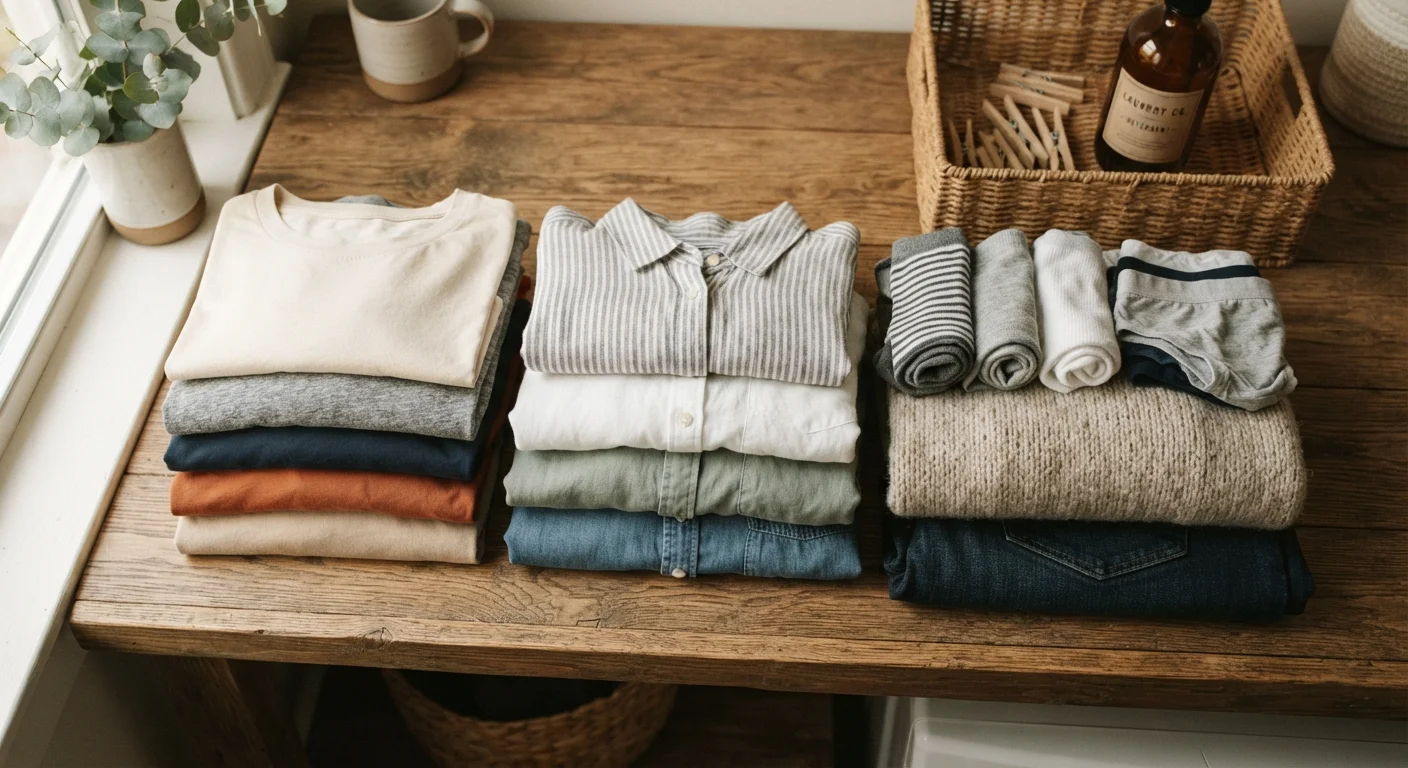
Photo credit: TopInfoTabs.com | Easy Insights For Inspiration
In this article
From washing to storage and minor repairs, this end-to-end guide covers everything you need to keep everyday garments looking good for longer.
Key Takeaways
- Reading care labels before washing prevents most common garment damage.
- Washing clothes inside-out and in cold water preserves color and fabric integrity.
- Proper storage - folded vs. hung - depends on the fabric type.
- Basic sewing repairs can significantly extend a garment's useful life.
- Consistent small habits matter more than occasional deep wardrobe overhauls.
Why Garment Care Actually Matters
Most clothes don't wear out - they get worn down by neglect. A cotton tee that could last five years might only make it through one if it's washed on the wrong setting and tossed in a hot dryer every time. The good news? The gap between clothes that age poorly and clothes that stay looking sharp usually comes down to a handful of consistent habits, not expensive products or extra time.
Caring for your clothes is also one of the most straightforward ways to get more value from what you already own. If you're working on building a versatile everyday wardrobe, protecting each piece becomes even more important - fewer items means each one has to work harder and last longer.
~30%
Clothing lifespan reduction from improper washing
Textile care researchers estimate that incorrect laundering is among the leading causes of premature garment wear, particularly through heat damage and mechanical stress.
2-3×
Longer garment life with consistent care habits
Industry estimates from textile sustainability organizations suggest well-maintained garments can last two to three times longer than those routinely washed and dried at high temperatures.
35%
Of textile waste linked to preventable wear
Sustainability researchers have noted that a significant proportion of discarded clothing shows damage patterns consistent with avoidable laundering and storage errors.
Decoding Care Labels
That small label sewn into your garment is the single most reliable source of guidance for how to treat it. Care labels use a standardized set of international symbols - a tub for washing, a triangle for bleaching, a square for drying, an iron shape for ironing, and a circle for dry cleaning. Most labels also pair symbols with plain-language instructions.
Key things to look for:
- Water temperature: Dots inside the wash tub indicate heat level (one dot = cold, three dots = hot).
- Tumble drying: An X through the square-and-circle means air dry only - critical for wool and structured fabrics.
- Dry clean only: A plain circle means the garment should go to a professional cleaner. Ignoring this can permanently distort the fabric.
Before washing any new garment for the first time, photograph the care label with your phone. You'll always have it handy even after the label fades or is cut out.
Care labels wear out or get removed over time, and having a digital record eliminates guesswork - especially for investment pieces or items you plan to keep for years.
When ironing a garment you're unsure about, test a small, hidden section first - like an inside hem - before pressing the visible surface.
Different dye lots and fabric blends can react unexpectedly to heat, and testing prevents visible damage to the outer garment where it can't be hidden.
When in doubt, always default to the gentler option. Cold water and low heat will never ruin a garment that could have handled more.
Washing Smarter, Not Harder
How you wash your clothes has a bigger impact than how often you wash them. Over-washing is actually one of the leading causes of premature fabric wear - many garments, especially denim and knitwear, benefit from being washed far less frequently than most people assume.
Practical Washing Guidelines
- Turn clothes inside-out before washing to protect outer surfaces and preserve color.
- Use cold water for most everyday items - it's gentler on fibers and just as effective for typical soil levels.
- Separate lights and darks not just to prevent bleeding, but because dark garments often need a gentler cycle.
- Use a mesh laundry bag for delicates, lingerie, and items with embellishments to prevent snagging.
- Don't overload the machine - clothes need room to move to get clean and to avoid excessive friction.
Refresh Between Washes
Not every wear requires a full wash cycle. Hanging clothes near an open window for 20-30 minutes after wearing them allows odors to dissipate naturally, extending time between washes. This is especially effective for wool, denim, and structured pieces that suffer most from frequent laundering.
Drying and Ironing Without Damage
The dryer is responsible for more shrinkage, fabric breakdown, and pilling than almost any other part of the laundry process. High heat degrades elastic fibers, causes natural fabrics to shrink, and accelerates pilling on synthetic blends.
Where possible, air dry on a flat surface or a drying rack. Lay knits flat to dry - hanging them while wet stretches them out of shape. For items that do go in the dryer, low heat and removing them while slightly damp (then smoothing and hanging) reduces wrinkles and heat stress significantly.
Ironing by Fabric
- Cotton and linen: Tolerate higher heat well; iron while slightly damp for best results.
- Synthetics (polyester, nylon): Require low heat; high heat can permanently melt or distort fibers.
- Wool: Use steam and a pressing cloth - never apply a hot iron directly to wool.
- Silk: Iron on the lowest setting, inside-out, with no steam.
Storage Habits That Protect Your Clothes
Where and how you store your clothes affects them just as much as how you wash them. The core question is always: fold or hang?
- Hang: Structured garments (blazers, dress shirts, trousers), items that wrinkle easily (linen, silk), and anything with shape that needs to be maintained.
- Fold: Knitwear, heavy sweaters, denim, and t-shirts. Hanging these stretches fibers over time.
Use cedar blocks or lavender sachets in drawers and closets to deter moths naturally - especially important for wool and cashmere. Allow clothes to air out before returning them to a closed closet; storing garments while still slightly damp encourages mildew and odor.
For seasonal storage, clean items thoroughly before packing them away - even invisible body oils and light stains can set over time and attract insects. Use breathable cotton storage bags rather than plastic, which traps moisture.
Dry Cleaning Isn't Always Necessary
Some garments labeled 'dry clean' (rather than 'dry clean only') can be hand-washed gently in cool water - the label reflects a manufacturer preference, not always a strict requirement. However, 'dry clean only' labels, especially on structured or lined garments, should always be followed. When in doubt, consult a professional cleaner.
Simple Repairs That Extend Garment Life
A small repair made promptly almost always prevents a larger problem later. A loose button ignored becomes a missing button; a small seam opening becomes a torn garment. None of these fixes require advanced sewing skills - just a basic needle-and-thread kit and five minutes of attention.
Repairs Worth Knowing
- Reattaching buttons: Use a doubled thread and sew through the holes multiple times, then wrap the thread around the base to form a shank (the stem that helps the button lie flat).
- Closing small seam gaps: A simple whip stitch or slip stitch, matched to the fabric color, is nearly invisible.
- Pilling removal: A fabric shaver (a small, inexpensive handheld device) removes surface pills from knitwear without damaging the garment.
- Zipper care: Rub a graphite pencil or a small amount of beeswax along a stiff zipper to lubricate it - avoid forcing it, which bends the teeth.
Building confident, lasting relationships with the clothes you already own is a meaningful part of dressing with genuine everyday confidence. And if you're ready to go deeper, developing a clear personal style starts with a wardrobe you trust and know how to maintain.
This article is for general informational purposes only. Care results may vary depending on specific garments, fabrics, and individual circumstances.

Author
Style & Beauty Editorial Team
Style & Beauty Editorial Team is the collective byline for our editorial team and contributor network. Articles published under this byline or an editorial pen name are researched, written, and reviewed according to our editorial standards for clarity, consistency, and independence before publication.
View all articles →