
Wardrobe Confidence: Everyday Habits That Help You Dress Without Second-Guessing Yourself
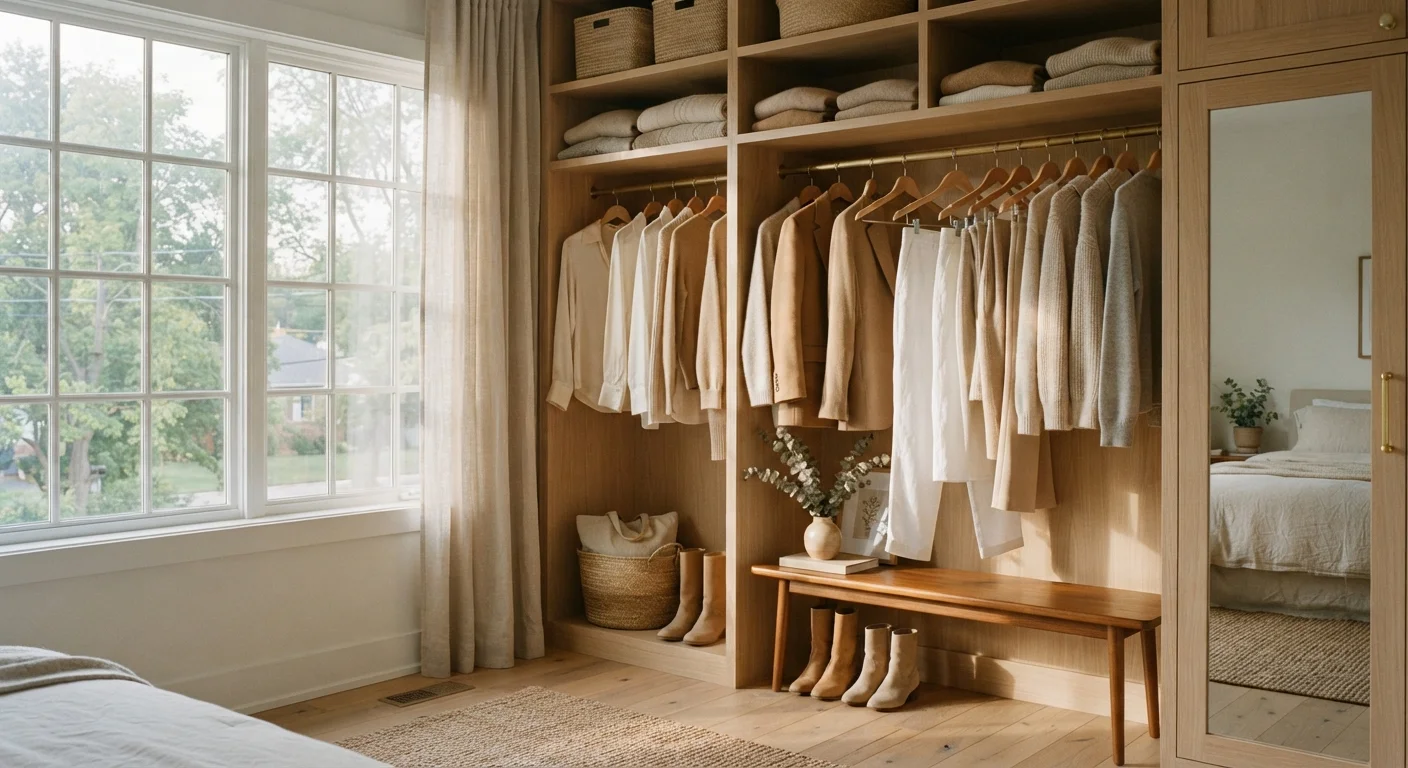
Photo credit: TopInfoTabs.com | Easy Insights For Inspiration
In this article
Feeling uncertain about your outfits most mornings? These grounded, practical habits help you build genuine confidence in how you dress day to day.
Key Takeaways
- Wardrobe confidence grows from consistent habits, not from owning more clothes.
- Knowing what fits, flatters, and suits your lifestyle removes most morning doubt.
- Outfit formulas and a edited wardrobe can dramatically reduce decision fatigue.
- Style self-trust builds gradually - small daily choices add up over time.
Why Second-Guessing Happens (And Why It's So Common)
If you've ever stood in front of a full closet feeling like you have nothing to wear, you're in very good company. That frustrating loop of trying on three outfits and defaulting to the same jeans isn't a personal failure - it's a sign that your wardrobe and your habits aren't quite aligned yet. The good news: confidence in how you dress is a skill you can build, not a trait some people are simply born with.
Most wardrobe uncertainty comes from one of three places: too many options without clear direction, pieces that don't actually work together, or a disconnection between what you own and how you actually live. Once you identify which pattern applies to you, the path forward gets surprisingly straightforward. Check out our guide to dressing with intention for a deeper look at the principles behind a truly cohesive wardrobe.
Everyday Habits That Build Real Style Confidence
The practices below aren't about following trends or spending more - they're about building a relationship with your existing wardrobe so that getting dressed feels grounding rather than stressful.
Do a regular honest wardrobe edit, not just a seasonal declutter.
Clutter is the enemy of confident dressing. When your wardrobe contains pieces that no longer fit, don't suit your life, or you simply never reach for, it creates visual and mental noise every morning. An honest edit - asking whether each piece actually fits your body and your days right now - clears space for the clothes that truly work.
Learn which silhouettes consistently make you feel good, and return to them often.
Flattery isn't about body type rules - it's about learning through experience what proportions and cuts make you feel confident and comfortable. Once you know your reliable silhouettes, shopping and getting dressed both become much simpler.
Understand the fabrics you're actually comfortable wearing daily.
Physical comfort directly influences how confident you feel. If you're constantly pulling at a fabric, overheating, or feeling restricted, it affects your presence and mood throughout the day. Knowing which materials work for your body and lifestyle helps you make better-informed choices when adding new pieces.
Build a small set of proven outfit combinations you can rely on without thinking.
Decision fatigue is real, and it hits hardest in the morning. Having three to five go-to combinations - outfits you already know work together - means you spend your mental energy on the day ahead, not on what to wear.
Take care of your clothes so they continue to look their best.
Confidence in an outfit depends partly on how the garments look. Pilling, fading, or poor fit from repeated incorrect washing quietly undermines even great pieces. Good care habits preserve the quality that makes something feel worth wearing.
Dress for your actual life, not an aspirational one.
One of the biggest sources of wardrobe frustration is owning clothes for a version of your life that doesn't exist yet - or that exists only rarely. When your wardrobe reflects how you actually spend your days, getting dressed feels natural rather than performative.
Making It Stick: Turning Good Intentions Into Daily Routine
Knowing what to do is one thing; making it automatic is another. The most effective way to stop second-guessing yourself is to reduce the number of decisions you need to make in the moment. Outfit formulas - reliable combinations that you already know work - are one of the most practical tools for this. Our article on the outfit formula approach explains how to identify and repeat the combinations that consistently work for you.
If your mornings still feel rushed, getting dressed faster without sacrificing how you look offers practical steps for streamlining your routine. And if your wardrobe feels overstuffed or chaotic, starting fresh with a capsule wardrobe can be genuinely transformative - even if you only apply the approach to a portion of your closet.
The One-In, One-Out Rule Helps Long-Term
When you bring a new piece into your wardrobe, consider removing one that's no longer earning its space. This keeps your closet at a manageable size and forces a useful moment of reflection about what you genuinely need. Over time, it naturally steers you toward pieces that truly align with your style rather than impulse additions that dilute it.
Style confidence is cumulative. Each morning you get dressed and feel like yourself - without agonizing over the choice - reinforces the habit. The goal isn't perfection; it's ease.

Author
Style & Beauty Editorial Team
Style & Beauty Editorial Team is the collective byline for our editorial team and contributor network. Articles published under this byline or an editorial pen name are researched, written, and reviewed according to our editorial standards for clarity, consistency, and independence before publication.
View all articles →