
Style Longevity: What Separates a Passing Phase from a Lasting Aesthetic
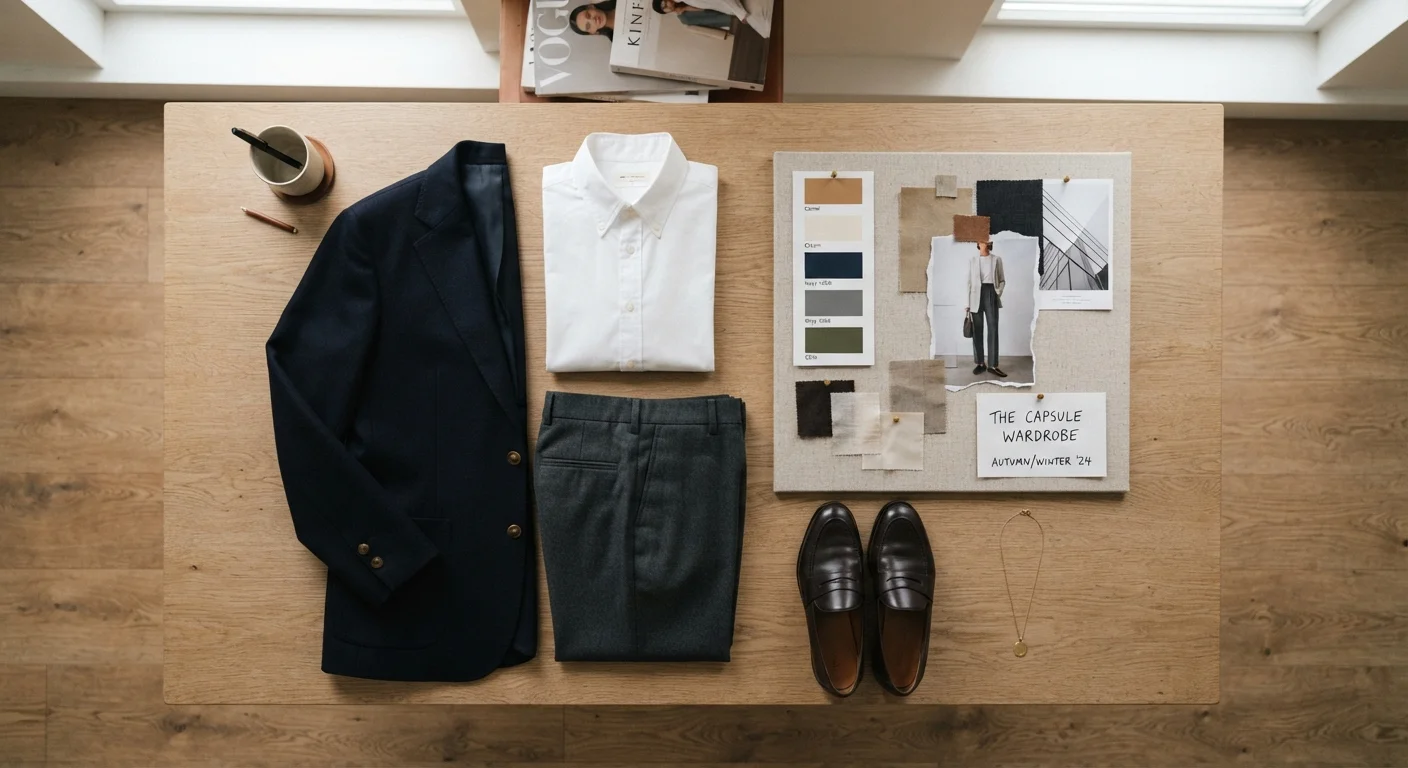
Photo credit: TopInfoTabs.com | Easy Insights For Inspiration
In this article
Some style choices stick for decades; others fade within a season. Here's what distinguishes a durable personal aesthetic from a temporary one.
Key Takeaways
- A lasting aesthetic is anchored in personal values and lifestyle, not just current trends.
- Recurring preferences - colors, silhouettes, textures - signal a genuine aesthetic rather than a passing phase.
- Trend engagement can coexist with a durable style identity when approached selectively.
- Style longevity is less about rigidity and more about a coherent through-line across changes.
- Asking 'does this feel like me?' consistently is one of the most reliable editing tools you have.
The Core Difference: Preference vs. Participation
Most people experience both: a genuine aesthetic they return to instinctively, and occasional style phases that feel exciting for a season before quietly losing their appeal. The difference isn't willpower or fashion knowledge - it's the source of the impulse.
A passing phase is typically driven by participation. Something is visually everywhere - social media, storefronts, celebrities - and the desire to engage with it is partly social. That's not inherently shallow; humans are naturally responsive to cultural currents. But when the cultural moment fades, so does your attachment to the look.
A lasting aesthetic, by contrast, is rooted in preference. You are drawn to certain silhouettes, palettes, or textures before you have language for why. You find yourself gravitating toward the same corner of a secondhand shop, or consistently reaching for the same jacket over newer alternatives. These are the signals worth paying attention to.
“Personal style is not about following rules - it's about understanding yourself well enough to make choices that feel coherent across time, context, and change.”
— Style & Beauty Editorial Team, Fashion and personal style specialists
The Markers of a Durable Aesthetic
Recognising a genuine style identity isn't always intuitive - especially when you're in the middle of it. These are the practical indicators that a set of style choices has staying power:
- Recurrence without effort. You notice the same color family, fabric weight, or proportion appearing in your choices across years, even when your budget or life circumstances changed.
- Context adaptability. A lasting aesthetic translates across occasions. It shifts in formality but stays coherent - the way you dress for different contexts still reads as unmistakably you.
- Low regret rate. When you look back at purchases made in this aesthetic, most of them still feel right. Pieces bought specifically to chase a trend often carry more regret.
- Independent of trend cycles. Your interest in these elements predates their trending moment and doesn't disappear when it ends.
Try a 'Repeat Reach' Audit
For two weeks, simply notice which items you reach for repeatedly - without trying to change anything. The pieces that surface most often across different moods and occasions are your strongest clues to your genuine aesthetic. This is a low-effort, high-insight starting point for anyone trying to distinguish habit from true preference.
If you're unsure where you land, a wardrobe audit is one of the clearest tools available. Our seasonal wardrobe transition guide walks through a structured process for identifying which pieces genuinely earn their space.
Why Trends Aren't the Enemy - But Wholesale Adoption Is
A common misconception is that having a strong personal aesthetic means refusing trends entirely. In practice, most people with genuinely durable style identities engage with trends - they just do so selectively.
The distinction is between informing and replacing. When a trending color works inside your existing palette, wearing it is an expression of your aesthetic, not a departure from it. When you rebuild your entire wardrobe around a trend that conflicts with your actual preferences, you're likely entering a phase rather than evolving an identity.
~30%
Of purchased clothing rarely or never worn
Research from multiple wardrobe studies suggests roughly 30% of the average person's wardrobe goes unworn - a pattern closely associated with trend-chasing rather than intentional style building.
3-5 years
Typical lifespan of a major fashion trend cycle
Fashion analysts generally observe that a trend moves from runway to mass adoption and back to obsolescence within three to five years, reinforcing why personal aesthetics outlast trend participation.
The question to carry into any potential purchase is simple: does this connect to something I already love about how I dress, or am I responding to pressure - external or social - to participate? Neither answer is wrong, but knowing which is which keeps your wardrobe coherent over time. For a deeper look at how to weigh these decisions item by item, the signature vs. trend pieces framework is a useful reference.
Building - and Protecting - Your Style Identity
If you're still working out what your lasting aesthetic actually is, the most productive approach is observation rather than prescription. Notice what you reach for repeatedly, what you feel most like yourself in, and which style frameworks - explored in resources like a style archetypes reference guide - resonate with you without feeling like a costume.
Once you have some clarity, protect it lightly. That means making intentional space in your wardrobe for trend experimentation - perhaps through lower-investment pieces - while keeping your core aesthetic intact. Our look at signature style trade-offs examines honestly where this approach works well and where it creates friction.
Style longevity isn't about rigidity. It's about understanding yourself well enough that your choices - even when they change - feel like yours. Explore more practical approaches in our everyday fashion guides, which cover building a wardrobe that works across the full range of your actual life.
Frequently Asked Questions

Author
Style & Beauty Editorial Team
Style & Beauty Editorial Team is the collective byline for our editorial team and contributor network. Articles published under this byline or an editorial pen name are researched, written, and reviewed according to our editorial standards for clarity, consistency, and independence before publication.
View all articles →