
Owning a Signature Style: Is It Freeing or Limiting?
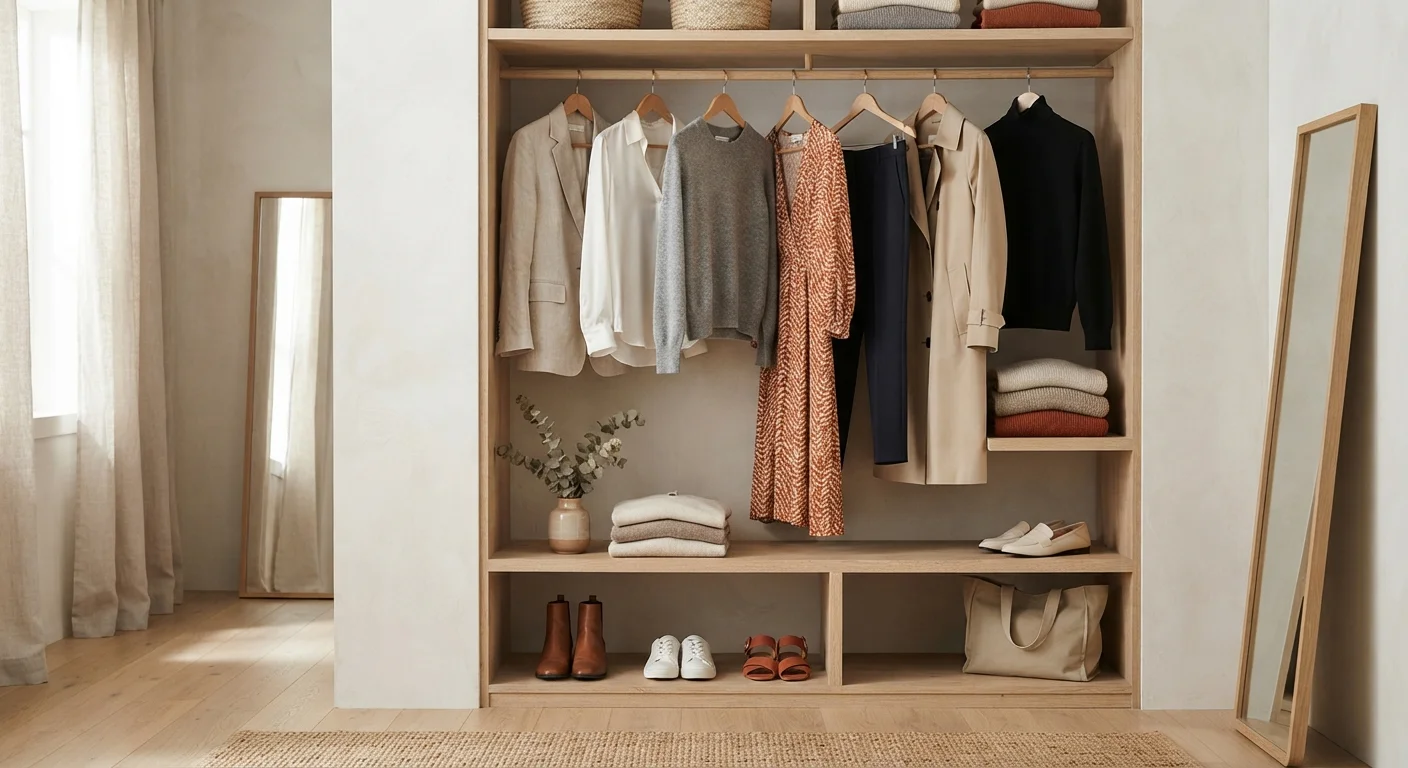
Photo credit: TopInfoTabs.com | Easy Insights For Inspiration
In this article
A signature style can simplify your mornings and sharpen your identity — but it has real trade-offs too. Here's an honest look at both sides.
Key Takeaways
- A signature style reduces daily decision fatigue and builds a recognizable personal identity.
- Committing to a defined aesthetic can limit spontaneity and make dressing for varied occasions harder.
- A signature style doesn't have to be rigid - it can evolve gradually while staying true to your core preferences.
- Shopping with a clear style framework tends to reduce impulse purchases and wardrobe waste.
- The best approach balances a consistent foundation with enough flexibility to reflect your changing life.
Eliminates daily decision fatigue
When your aesthetic parameters are clear, you're not starting from zero each morning. Cognitive load drops significantly, freeing mental energy for everything else in your day.
Builds a memorable, recognizable identity
Consistency in how you present yourself creates a coherent impression over time. In professional and social contexts, that recognition can carry real weight.
Simplifies shopping and reduces waste
With a defined aesthetic, it becomes obvious which items belong in your wardrobe and which don't - reducing impulse buys and the guilt that follows them.
Creates a wardrobe where pieces work together
A cohesive color palette and consistent silhouette mean most items mix and match naturally, giving you more outfit combinations from fewer pieces.
Grounds your confidence in self-knowledge
Knowing your own style is a form of self-awareness. That clarity often translates into a quiet confidence that has nothing to do with what's trending.
Can feel creatively restrictive over time
A rigid aesthetic may suppress the urge to experiment, which is often where genuine style growth happens. Staying in lane can quietly stifle curiosity.
Dressing for varied occasions becomes harder
A signature style calibrated to your everyday life may not translate smoothly to weddings, formal events, or very casual weekends - requiring awkward workarounds.
Risk of becoming a caricature of yourself
Over-committing to a defined look can tip from intentional into predictable. What started as self-expression can start to feel like a costume you can't take off.
May lag behind genuine personal change
Life shifts - careers, relationships, values - and a style locked in years ago may no longer reflect who you actually are, creating a disconnect that's hard to name.
What Does Owning a Signature Style Actually Mean?
A signature style isn't about wearing the same outfit on repeat - it's about having a clear, consistent aesthetic language that makes getting dressed feel intentional rather than chaotic. Think of it as a set of style principles you return to: a preferred silhouette, a recurring color palette, a handful of textures or details that feel unmistakably you.
Unlike following trends, which asks you to constantly update your wardrobe to stay current, a signature style is self-referential. It evolves on your timeline, not the fashion calendar's. If you're just beginning to explore what that looks like, building a style identity from scratch is a solid starting point for laying that foundation.
The real question isn't whether you can commit to a signature look - most people already lean toward certain choices without realizing it. The question is whether formalizing that preference serves you better than leaving it loose.
The Genuine Advantages
There are real, meaningful upsides to developing a recognizable personal aesthetic - and they extend well beyond looking put-together.
Eliminates daily decision fatigue
When your aesthetic parameters are clear, you're not starting from zero each morning. Cognitive load drops significantly, freeing mental energy for everything else in your day.
Builds a memorable, recognizable identity
Consistency in how you present yourself creates a coherent impression over time. In professional and social contexts, that recognition can carry real weight.
Simplifies shopping and reduces waste
With a defined aesthetic, it becomes obvious which items belong in your wardrobe and which don't - reducing impulse buys and the guilt that follows them.
Creates a wardrobe where pieces work together
A cohesive color palette and consistent silhouette mean most items mix and match naturally, giving you more outfit combinations from fewer pieces.
Grounds your confidence in self-knowledge
Knowing your own style is a form of self-awareness. That clarity often translates into a quiet confidence that has nothing to do with what's trending.
One underrated benefit: a defined style dramatically improves shopping clarity. When you know what fits your aesthetic and what doesn't, impulse buys lose their grip. Understanding the difference between signature pieces and trend pieces becomes second nature, and your wardrobe starts working harder with fewer items.
The Real Trade-Offs
Honesty matters here: committing to a signature aesthetic has genuine limitations, and they're worth knowing before you decide to lean in fully.
Can feel creatively restrictive over time
A rigid aesthetic may suppress the urge to experiment, which is often where genuine style growth happens. Staying in lane can quietly stifle curiosity.
Dressing for varied occasions becomes harder
A signature style calibrated to your everyday life may not translate smoothly to weddings, formal events, or very casual weekends - requiring awkward workarounds.
Risk of becoming a caricature of yourself
Over-committing to a defined look can tip from intentional into predictable. What started as self-expression can start to feel like a costume you can't take off.
May lag behind genuine personal change
Life shifts - careers, relationships, values - and a style locked in years ago may no longer reflect who you actually are, creating a disconnect that's hard to name.
It's also worth acknowledging that a very rigid approach - sometimes called a personal uniform - carries its own specific dynamics. The upsides and downsides of a rigid personal uniform explores where that line sits and what it costs to cross it.
How to Make It Work Without Feeling Trapped
The secret to a sustainable signature style is treating it as a living reference point, not a contract. A few principles help:
- Anchor to feeling, not formula. Define your style by how you want to feel when dressed - capable, relaxed, striking - rather than by a fixed list of garments. This gives you flexibility without losing coherence.
- Allow slow evolution. Styles that last tend to shift gradually rather than flip entirely. What separates a lasting aesthetic from a passing phase can help you distinguish between growth and just chasing novelty.
- Stay curious about influence. Some of the most distinctive personal aesthetics develop through unexpected inputs - travel, art, community. Lesser-known ways people build distinctive style offers some worthwhile alternatives to the usual scroll-and-copy approach.
Style Flexibility Is Not the Same as Having No Style
Leaving room in your aesthetic for experimentation doesn't mean abandoning your signature. Many people find that their core style remains consistent while individual pieces rotate based on mood, season, or occasion. The goal is a framework flexible enough to breathe, not a checklist to follow to the letter. Think of it less as a uniform and more as a personal visual language with room for improvisation.
Ultimately, a signature style is only limiting if you confuse commitment with rigidity. The goal is clarity, not a costume.

Author
Style & Beauty Editorial Team
Style & Beauty Editorial Team is the collective byline for our editorial team and contributor network. Articles published under this byline or an editorial pen name are researched, written, and reviewed according to our editorial standards for clarity, consistency, and independence before publication.
View all articles →