
Building a Style Identity from Scratch
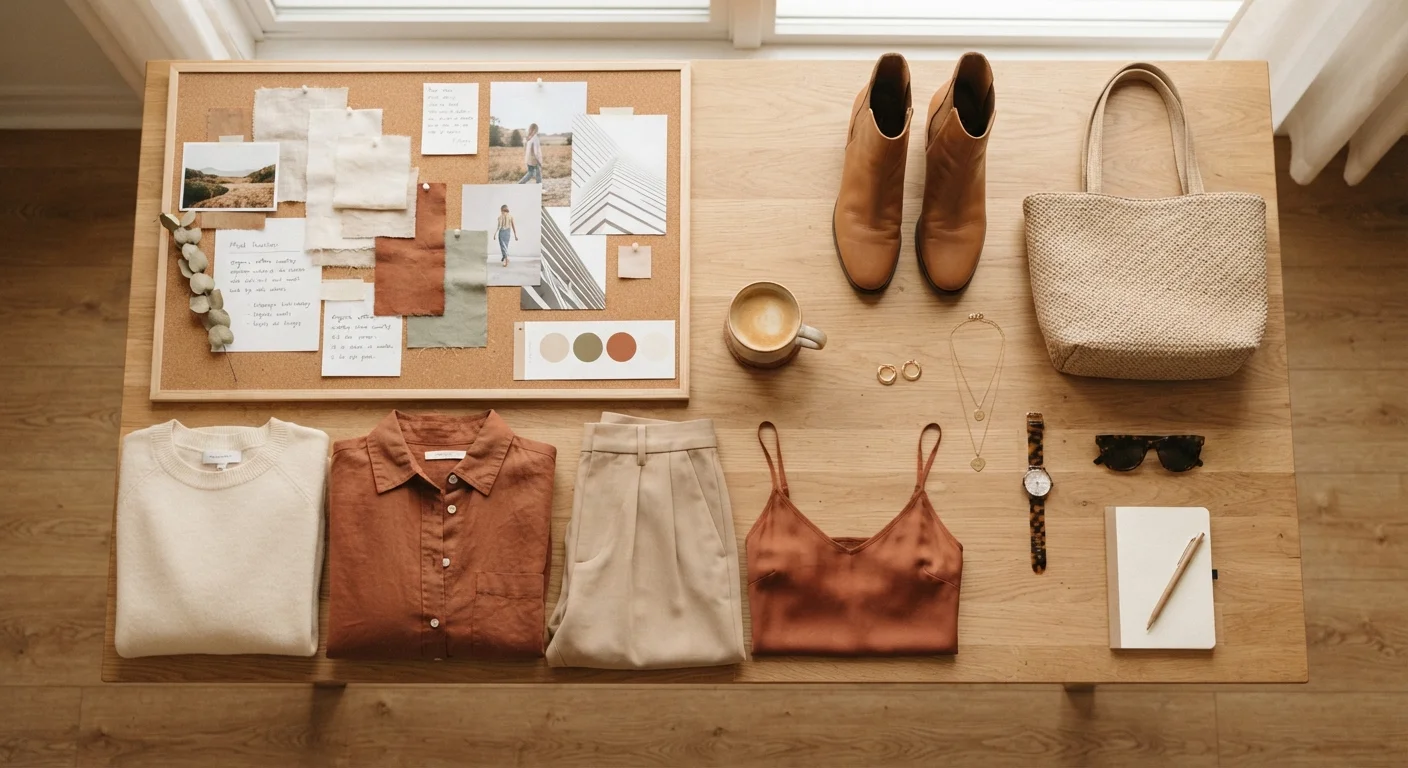
Photo credit: TopInfoTabs.com | Easy Insights For Inspiration
In this article
No idea where to start with your personal style? This beginner's guide walks you through the foundational steps to discovering how you want to dress.
Key Takeaways
- Style identity is about expressing who you are - not following what's popular right now.
- Self-reflection comes before shopping: know your lifestyle and values first.
- Collecting visual references helps you spot recurring preferences you may not have noticed.
- A small, intentional wardrobe often serves personal style better than a packed closet.
- Trends can inform without dictating - your style should outlast any single season.
What Does 'Style Identity' Actually Mean?
Style identity is the consistent, recognizable way you present yourself through clothing, color, fit, and accessories - independent of what's currently trending. It's less about having a "look" and more about having a point of view: a sense of what feels authentically you.
Unlike fashion, which moves in cycles, a style identity is relatively stable. It can evolve as you do, but it's rooted in your personality, values, and the life you actually live - not the life a campaign imagines for you.
Style identity
A consistent, personal way of presenting yourself through clothing and accessories that reflects your personality and values rather than current trends.
Aesthetic
A loosely defined visual sensibility or mood - such as minimalist, maximalist, or vintage - that describes the overall feel of a person's style choices.
Style vocabulary
A personal collection of images, words, and references that capture how you want to look and feel, used to guide wardrobe decisions.
Capsule wardrobe
A small, curated set of versatile clothing pieces that work well together, reducing decision fatigue and encouraging intentional dressing.
Silhouette
The overall shape or outline of an outfit - for example, fitted versus relaxed, structured versus draped - which plays a major role in how a look feels.
If you want a deeper dive into developing and sustaining this over time, our complete personal style guide covers the full journey from discovery to daily practice.
Start with Yourself, Not the Feed
Before you look outward for inspiration, look inward. The most useful style questions have nothing to do with aesthetics at first:
- What does your daily life actually require? A creative professional, a remote worker, and a nurse all have very different functional needs.
- How do you want to feel in your clothes? Polished, relaxed, expressive, understated - this emotional dimension shapes everything.
- Which pieces do you reach for without thinking? Those instinctive favorites are data points about your genuine preferences.
Resist the pull to immediately start saving outfit ideas online. Algorithms tend to serve you what's popular, not what suits you. Ground your exploration in your actual life first.
Try a Wardrobe Reflection Exercise
Set aside 20 minutes to pull out five pieces you wear most and five you never touch. Write one sentence about why each falls into its category. The contrast often reveals more about your real preferences than hours of Pinterest scrolling.
Building Your Style Vocabulary
Once you have a sense of your own reference points, start building what stylists often call a "style vocabulary" - a working collection of images, words, and concepts that describe how you want to look and feel.
Practical ways to do this:
- Create a private mood board. Save images - not just outfits, but art, interiors, places - that consistently attract you. Patterns in color, texture, and silhouette will start to emerge.
- Audit what you already own. Lay out your wardrobe and notice which pieces you love, which you avoid, and why. Your existing closet tells a story.
- Name your aesthetic loosely. You don't need a perfect label, but phrases like "relaxed minimalist" or "colorful and structured" can help you make faster, more confident decisions later.
For ideas that go beyond the obvious, lesser-known ways people develop a distinctive style explores some genuinely overlooked approaches.
Turning Inspiration into a Wardrobe Plan
With your style vocabulary in hand, the next step is translating it into intentional wardrobe decisions - without overspending or overcomplicating things.
A few guiding principles:
- Prioritize versatility. Pieces that work across multiple contexts and combinations stretch your style further than one-occasion items.
- Identify genuine gaps, not trend-driven wants. What's actually missing from your current wardrobe versus what just looked appealing on a feed?
- Think in outfits, not individual pieces. A new item should connect to at least three things you already own.
Building a capsule wardrobe is one of the most practical frameworks for this stage. Our guide to building your first capsule wardrobe walks through exactly how to choose versatile foundational pieces. For the budget side of this process, budgeting basics offers straightforward strategies to keep spending intentional.
Style Identity Takes Iteration
You won't have a fully formed style identity after one mood board session, and that's completely normal. Most people refine their preferences gradually through trial, error, and honest reflection. Approaching it as an ongoing experiment rather than a project to complete takes the pressure off and makes the process more enjoyable.
Staying True to Yourself as Trends Shift
Trends aren't the enemy - they're just context. The goal isn't to ignore fashion entirely but to engage with it selectively, filtering new ideas through your established style vocabulary before acting on them.
A useful test: when something new catches your eye, ask whether it connects to preferences you've held for more than one season. If it does, it might be worth exploring. If it only appeals because it's everywhere right now, it's fine to let it pass.
Style identity also isn't static. As your life, priorities, and tastes shift, your style will too - and that's healthy. The difference between reactive trend-chasing and genuine evolution is whether the change is driven by you or by external pressure.
For practical day-to-day expression of your identity, the Everyday Fashion hub is full of accessible ideas for building a wardrobe that actually works for real life. And if you're developing other aspects of your beauty routine alongside your style, building a makeup routine from scratch is a natural companion read.
This article is for informational and educational purposes only. Individual style preferences, budgets, and lifestyle needs vary - treat this as general guidance, not personalized advice.
Frequently Asked Questions

Author
Style & Beauty Editorial Team
Style & Beauty Editorial Team is the collective byline for our editorial team and contributor network. Articles published under this byline or an editorial pen name are researched, written, and reviewed according to our editorial standards for clarity, consistency, and independence before publication.
View all articles →