
Building a Makeup Routine From Scratch When You Have No Idea Where to Start
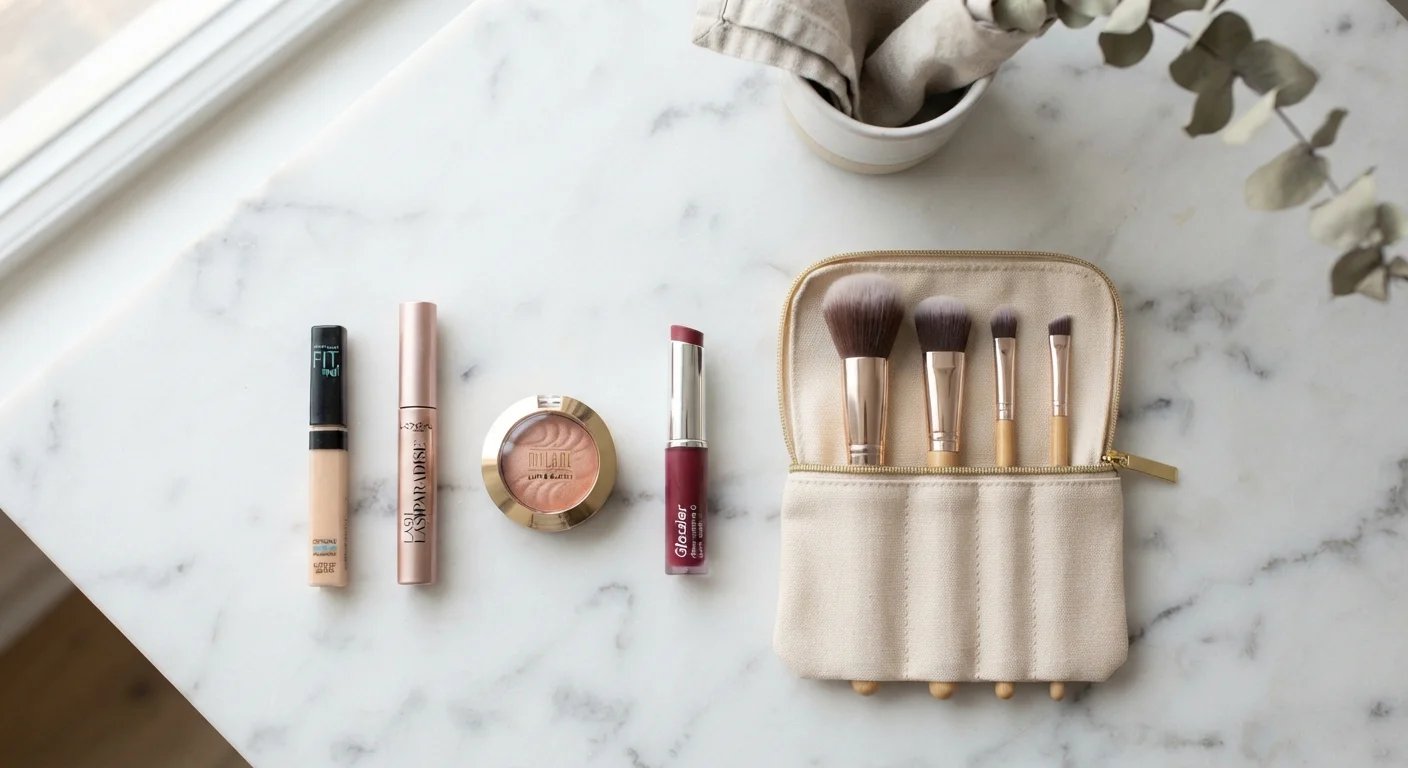
Photo credit: TopInfoTabs.com | Easy Insights For Inspiration
In this article
Never worn much makeup before? This beginner-friendly guide covers the essentials — what each product does and in what order to apply it.
Key Takeaways
- Prepping skin before applying makeup dramatically improves how products look and last.
- A minimal routine of five or six products covers most everyday looks without overwhelm.
- Applying makeup in the right sequence - from skin prep through to setting - prevents patchiness and fading.
- Most beginner struggles come down to a few fixable habits, not the wrong products.
- Proper makeup removal is as important as application for keeping skin healthy.
Start With Skin Prep - It Changes Everything
Here's something the beauty industry doesn't always lead with: how your skin feels before a single product goes on is the single biggest factor in how your makeup turns out. Dry, dehydrated skin makes everything look patchy. Skin that hasn't been moisturized tends to grab powder and make it look heavy. Starting with a simple skincare base - cleanser, moisturizer, SPF - gives makeup something smooth and hydrated to adhere to.
If you haven't built a skincare routine yet, our beginner skincare guide walks you through exactly where to start. A morning routine checklist is also useful if you want a quick reference before you apply makeup.
Wait a minute or two after moisturizing before starting your makeup - this lets skincare absorb rather than mix with foundation or concealer, which is a common cause of pilling (tiny product balls forming on the skin).
Give Skincare Time to Absorb First
After applying moisturizer and SPF, wait at least 60 seconds before touching any makeup. This brief pause lets skincare sink in rather than mixing with foundation or concealer - which is one of the most common causes of pilling and uneven coverage in beginner routines.
The Core Products Every Beginner Should Know
You do not need a full vanity of products. In fact, starting with fewer items forces you to learn how each one works, which builds real skill faster than owning everything at once. Here are the core categories worth understanding:
Coverage
How much a product hides or evens out the skin. Light coverage lets skin show through; full coverage conceals more.
Setting
Using a powder or spray to lock makeup in place so it doesn't move, crease, or fade as quickly during the day.
Pilling
When product forms tiny balls or flakes on the skin, usually because layers haven't absorbed properly before the next one is applied.
Blending
Working a product into the skin so it has no harsh edges and looks seamless against the surrounding area.
Tinted moisturizer
A lightweight hybrid of moisturizer and foundation that provides a hint of color and even skin tone without heavy coverage.
Fallout
Loose eyeshadow particles that drop onto the skin below the eyes during application, which can smudge your base if not handled first.
- Concealer - Spot-covers blemishes, dark circles, or redness. Often more beginner-friendly than full foundation.
- Foundation or tinted moisturizer - Evens out skin tone across a larger area. Tinted moisturizer is lighter and more forgiving for new users.
- Blush or bronzer - Adds warmth and dimension so you don't look washed out.
- Mascara - Opens up the eyes with almost no technique required. A great confidence-builder for beginners.
- Lip color - Even a tinted balm adds polish and pulls a look together.
- Setting spray or powder - Helps makeup stay put throughout the day.
Start with the items that matter most to you personally. If your priority is concealing dark circles, lead with concealer and mascara. If you love a flushed look, blush and a tinted balm might be all you need to start.
Application Order: Why Sequence Matters
Makeup layering follows a loose logic: start with the sheerer, lighter products and build toward more pigmented or setting products on top. Going out of order - say, applying powder before concealer - can muddy your results or shorten how long everything lasts.
A reliable beginner sequence:
- Moisturizer and SPF (skincare, applied and given time to absorb)
- Concealer on areas you want to even out
- Light foundation or tinted moisturizer if you want more coverage
- Setting powder lightly over any areas that tend to get oily
- Blush or bronzer on cheeks, temples, or the bridge of the nose
- Eye makeup - start with eyeshadow if using it, then liner, then mascara last
- Lip color
- Setting spray (optional, but helpful)
If your foundation never quite looks right, it's often a sequencing or prep issue rather than the product itself. Our guide on why foundation looks off covers the most common causes and fixes in detail.
Common Beginner Mistakes (and Easy Fixes)
Almost every beginner makes the same handful of missteps - and almost all of them are easily corrected once you know what to look for.
Avoid Matching Foundation to Your Hand or Wrist
The skin on your hand is often a different tone from your face, making it an unreliable place to test foundation shades. Always swatch along the jawline if possible, and check the match in natural daylight rather than store lighting, which can distort how colors appear on skin.
- Using too much product
- A thin layer that you build up gradually looks far more natural than applying everything at once. Start with less than you think you need.
- Skipping blending
- Harsh edges on concealer or blush are the giveaway of a rushed application. Use your fingertip, a sponge, or a brush to blend edges until they disappear into the skin.
- Choosing the wrong shade
- Concealer that's too light leaves a white cast; foundation that's too dark creates a visible line at the jaw. When possible, test on the jawline in natural light.
- Ignoring eye fallout
- Eyeshadow particles often fall onto the under-eye area. Do eye makeup before concealer so you can clean up any fallout without redoing your base.
Building your style instincts in general takes time and practice - the same patient approach applies in beauty as it does when building a style identity from scratch.
Removing Your Makeup Properly
A good makeup routine ends at the sink. Sleeping in makeup - even occasionally - can clog pores and affect how skin looks and feels over time. A quick wipe with a makeup remover cloth is a starting point, but it usually isn't thorough enough on its own.
Effective removal typically involves a dedicated remover (micellar water, cleansing balm, or oil cleanser) followed by a gentle face wash to clear any residue. Pay particular attention to eye makeup, which sits close to sensitive skin and tends to need a little extra time to dissolve. Our article on makeup removal done properly breaks down the steps most people skip.
Once makeup is fully removed, follow up with your regular skincare routine to restore moisture to your skin before sleep. This is also a good time to reassess how your makeup wore during the day - what held up, what faded, and what you'd try differently next time.
Beginner Skincare Routine Guide
Before building a makeup routine, having a consistent skincare base makes everything work better. This companion guide covers where to start if skincare is new to you too.
Building a Style Identity From Scratch
Makeup is one expression of personal style. If you're also figuring out how you want to dress and present yourself, this guide walks through the foundational steps of finding your aesthetic.
This article is for general informational purposes only. If you experience skin irritation, allergic reactions, or persistent skin concerns related to cosmetic use, consult a qualified dermatologist or healthcare professional.
Frequently Asked Questions

Author
Style & Beauty Editorial Team
Style & Beauty Editorial Team is the collective byline for our editorial team and contributor network. Articles published under this byline or an editorial pen name are researched, written, and reviewed according to our editorial standards for clarity, consistency, and independence before publication.
View all articles →