
Morning Skincare Routine Checklist: Steps to Cover Before You Leave the House
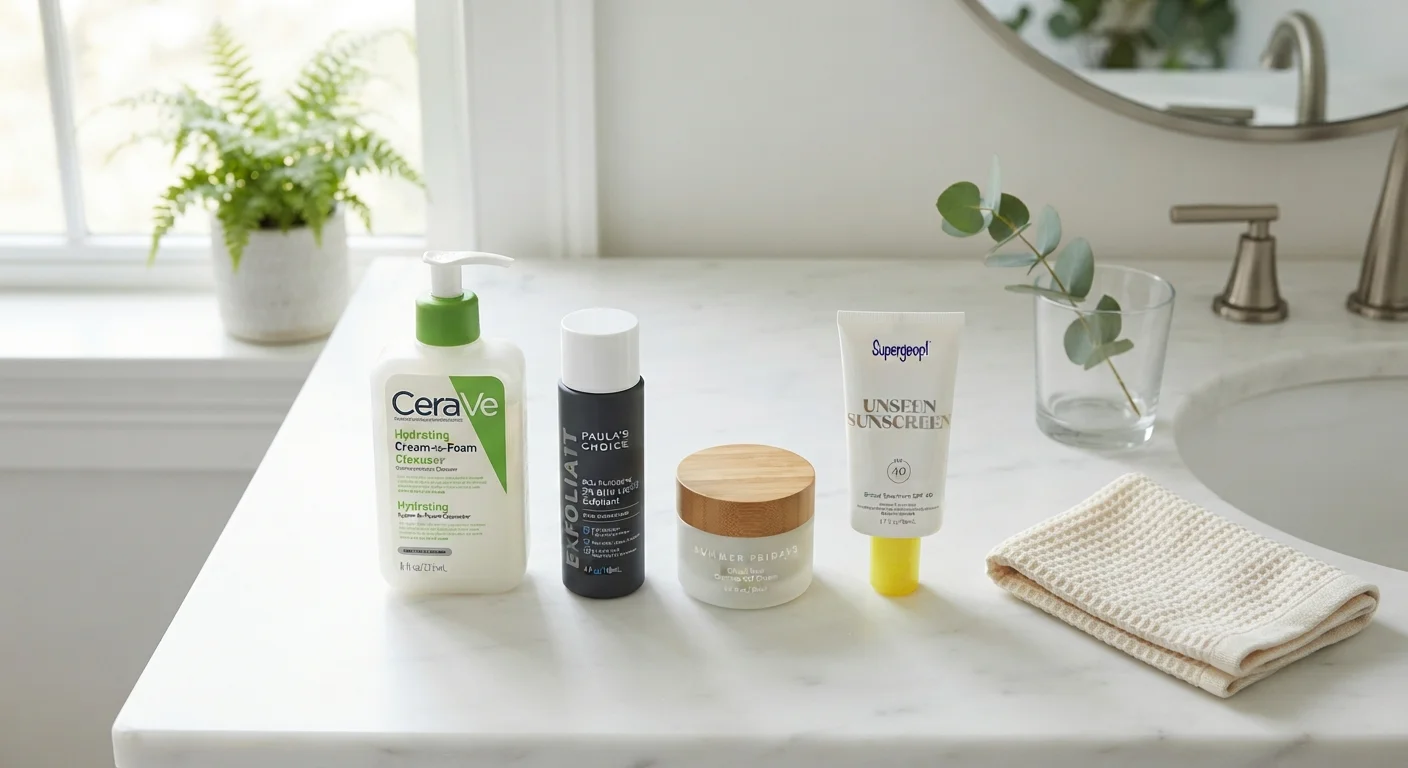
Photo credit: TopInfoTabs.com | Easy Insights For Inspiration
In this article
A quick, practical checklist covering the essential steps of a morning skincare routine — from cleansing through to SPF application.
Key Takeaways
- A morning skincare routine can be effective in as few as five minutes with the right steps.
- SPF application is non-negotiable every single morning, regardless of weather or season.
- Layering products in the correct order maximizes absorption and reduces waste.
- Your skin type should guide product choices, not trend-driven marketing.
- Consistency matters more than the number of products you use.
Why Your Morning Routine Sets the Tone for Your Skin All Day
Think of your morning skincare routine as a brief but meaningful act of preparation - not a luxury, but a baseline for how your skin handles everything the day throws at it: UV exposure, environmental pollutants, temperature changes, and the inevitable touches and contact that accumulate between sunrise and bedtime.
The good news? You don't need a 12-step program to see real results. What you do need is a logical sequence of well-chosen steps, applied consistently. If you've ever wondered whether your routine is actually working for you - or whether you're missing something important - this checklist is designed to answer exactly that.
If you're also thinking about what comes after your skincare, building a makeup routine from scratch is a natural next step. And when you're ready to wind down, evening skincare habits that support skin repair can help you close out the day just as intentionally.
Cleanse and Prep
Treatment and Active Ingredients
Moisturize and Protect
Lips, Neck, and Finishing Touches
What You'll Need Before You Start
You don't need a crowded shelf to cover the essentials. In fact, a streamlined set of products you understand and use correctly will outperform a complicated lineup applied haphazardly every time. Before running through the checklist, take a moment to assess what you have on hand.
Gentle facial cleanser
Removes overnight oils and any residual product without compromising your skin's moisture barrier.
Antioxidant serum (e.g. vitamin C)
Provides a layer of daytime protection against environmental stressors before moisturizer goes on.
Moisturizer (skin-type appropriate)
Maintains hydration levels and supports the skin barrier throughout the day.
Broad-spectrum SPF 30+ sunscreen
Protects against UVA and UVB radiation - the single most impactful step for long-term skin health.
Lip balm with SPF
Shields the lips from UV exposure, which is easy to forget but equally important.
Don't Layer Incompatible Actives
Certain combinations - like vitamin C with certain acids or niacinamide in high concentrations alongside vitamin C - can reduce effectiveness or cause irritation for some people. If you're introducing a new active ingredient, add it to your routine one product at a time and observe how your skin responds over several days before adding another. When in doubt, a dermatologist can guide layering decisions based on your specific skin.
Worth noting: more steps aren't always better. The case for and against a lengthy skincare routine unpacks exactly where extended routines add value - and where they can backfire. Keep that balance in mind as you build your own practice.
This article provides general skincare information for educational purposes only. It is not a substitute for advice from a licensed dermatologist or healthcare professional. If you have a skin condition, sensitivity, or concern, consult a qualified provider before making changes to your routine.

Author
Style & Beauty Editorial Team
Style & Beauty Editorial Team is the collective byline for our editorial team and contributor network. Articles published under this byline or an editorial pen name are researched, written, and reviewed according to our editorial standards for clarity, consistency, and independence before publication.
View all articles →