
Evening Skincare Habits That Support Your Skin's Natural Repair Cycle
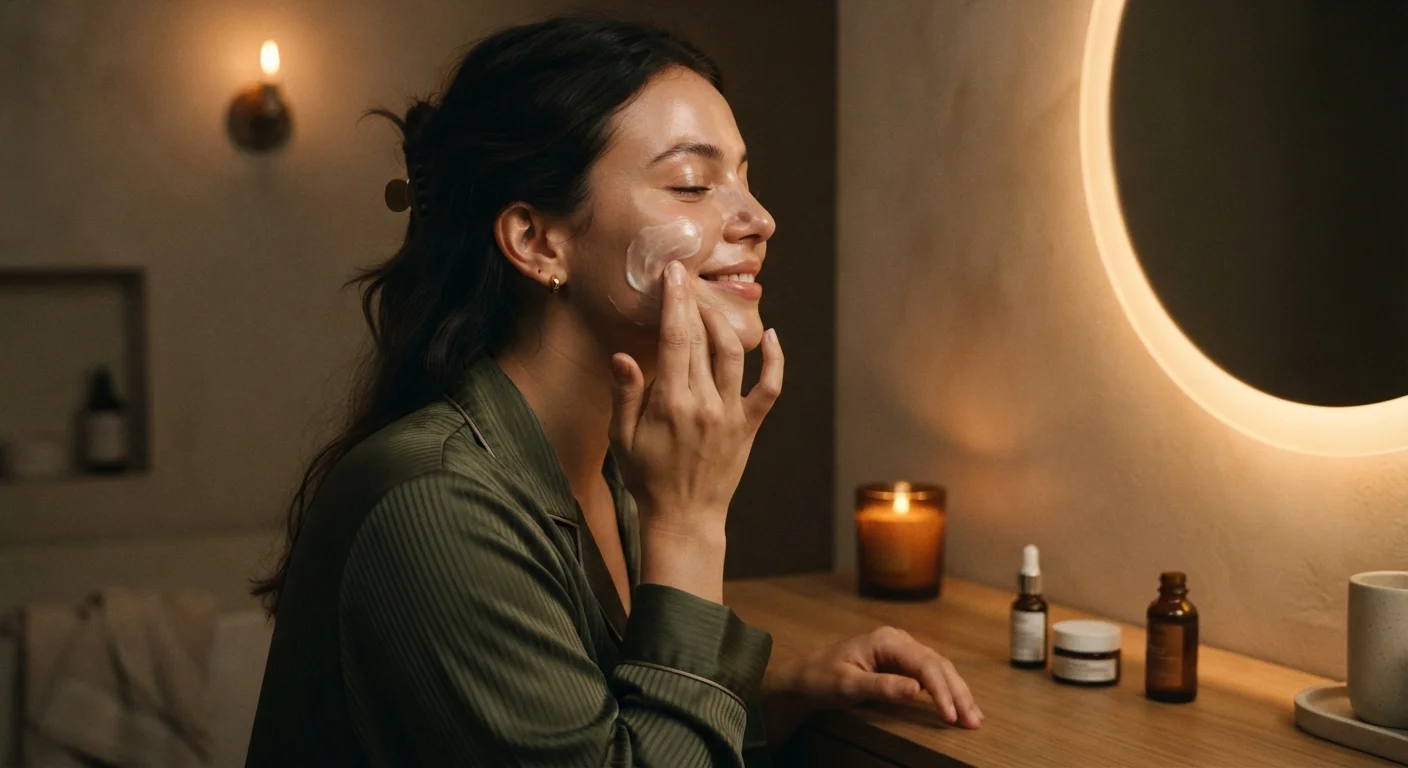
Photo credit: TopInfoTabs.com | Easy Insights For Inspiration
In this article
Nighttime is when skin does much of its recovery work. These evidence-informed practices help you make the most of your evening routine.
Key Takeaways
- Skin cell turnover and repair processes are more active at night, making evenings prime time for targeted care.
- Thorough cleansing before bed removes barriers that can block ingredient absorption.
- Hydration-supporting ingredients like hyaluronic acid and ceramides work well in evening routines.
- Active ingredients such as retinoids are often best suited for nighttime use due to sun sensitivity.
- Consistency matters more than product count - a simple, regular routine outperforms an occasional complex one.
Why Nighttime Is Different for Your Skin
Your skin isn't idle while you sleep. Research in dermatology has established that skin cell turnover - the process by which old cells shed and new ones surface - follows a circadian rhythm, with renewal activity peaking in the late evening and overnight hours. Blood flow to the skin also increases during sleep, supporting the delivery of nutrients to skin tissue.
This makes your evening routine a genuinely meaningful opportunity, not just a habit. The right practices can work with these biological rhythms rather than against them. Contrast this with your morning routine, which is largely about protection: your morning skincare checklist focuses on SPF, antioxidants, and creating a shield against environmental exposure. At night, the goal shifts toward repair, replenishment, and recovery.
This article is for general informational purposes only and is not medical or dermatological advice. Consult a qualified skincare professional or dermatologist for guidance specific to your skin concerns.
Core Evening Skincare Practices
The following practices reflect broadly evidence-informed approaches to an evening routine. They're designed to be accessible regardless of your budget or how many products you currently own.
Always cleanse before applying any evening products
A day's worth of sunscreen, makeup, pollution, and sebum can act as a physical barrier that prevents subsequent products from reaching skin effectively. Cleansing also removes irritants that could cause overnight inflammation.
Apply a hydrating product while skin is still slightly damp
Humectant ingredients like hyaluronic acid draw moisture from the surrounding environment into the upper layers of skin. Applying them to slightly damp skin maximizes this effect and helps prevent transepidermal water loss overnight.
Use overnight repair-focused ingredients consistently, not sporadically
Many active ingredients - retinoids, peptides, and certain exfoliating acids - require weeks of consistent use before visible results emerge. Using them inconsistently disrupts this process and can cause unnecessary irritation.
Finish with an occlusive or richer moisturizer to seal everything in
Skin loses moisture more easily in heated or air-conditioned indoor environments overnight. A slightly richer moisturizer or one containing ceramides helps maintain the skin barrier and supports its natural repair function.
Change pillowcases regularly and consider fabric choice
Pillowcases accumulate oils, product residue, and bacteria over time, which transfer back to skin during sleep. This can contribute to clogged pores or irritation, particularly for people prone to breakouts.
If you're new to layering multiple products, understanding product application order can help you get more from whatever steps you already use.
Quick Wins to Start Tonight
You don't need to overhaul everything at once. Even one or two small changes to your before-bed habits can make a real difference over time. Here are simple starting points:
And if you're building a routine from scratch, this beginner's guide to skincare routines is a low-pressure place to begin. Remember: more steps don't automatically mean better results - read the case for and against lengthy routines before you expand your lineup.
A Note on Active Ingredients at Night
Active Ingredients and Sun Sensitivity
Some widely used actives - particularly retinoids and certain alpha hydroxy acids (AHAs) - can increase skin's sensitivity to UV light, which is one reason they're typically recommended for evening use only. This doesn't mean they're unsafe; it simply means morning SPF use becomes especially important when these ingredients are part of your routine. If you have a specific skin condition or are pregnant, check with a dermatologist before introducing actives, as recommendations may differ for your situation.
If you're curious about what specific actives like retinoids, AHAs, or peptides actually do for skin, this plain-language reference on active ingredients breaks them down clearly. Introduce any new active gradually and pay attention to how your skin responds - everyone's baseline is different.
Keep Your Routine Doable on Tired Nights
The most effective skincare routine is the one you'll actually do consistently - even when you're exhausted. Consider keeping a stripped-down version in mind: cleanse and moisturize. That two-step floor is far better than skipping altogether. Over time, consistency with the basics will almost always outperform an elaborate routine done irregularly.

Author
Style & Beauty Editorial Team
Style & Beauty Editorial Team is the collective byline for our editorial team and contributor network. Articles published under this byline or an editorial pen name are researched, written, and reviewed according to our editorial standards for clarity, consistency, and independence before publication.
View all articles →