
Skincare Layering: Why the Order You Apply Products Actually Matters
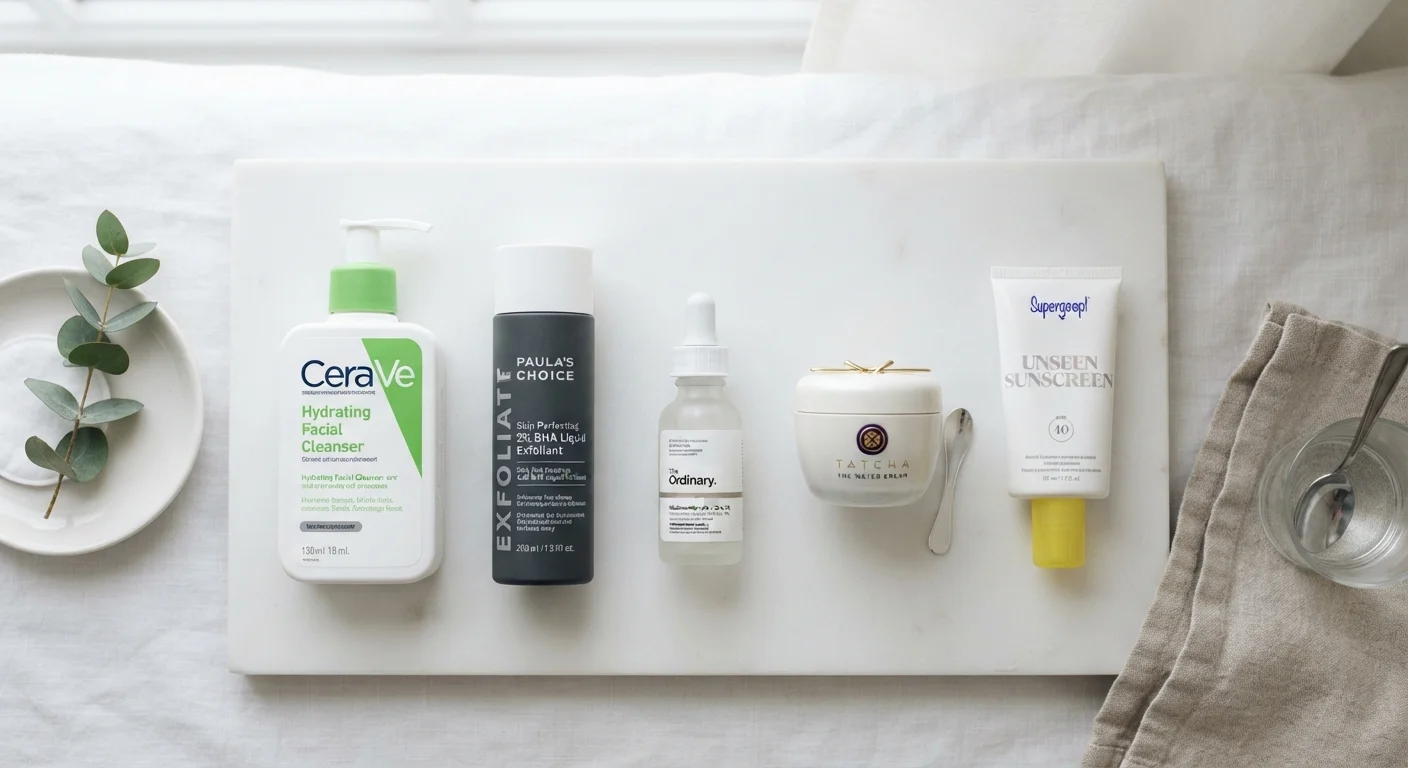
Photo credit: TopInfoTabs.com | Easy Insights For Inspiration
In this article
Applying products in the wrong order can reduce their effectiveness. Learn the logic behind skincare layering and get more from your routine.
Key Takeaways
- Apply products from thinnest to thickest texture to maximize absorption.
- Cleansing always comes first - layering on unclean skin reduces effectiveness.
- Sunscreen is always the final daytime step, applied after moisturizer.
- Certain active ingredients can conflict; knowing the order helps avoid irritation.
- A consistent routine with correct sequencing outperforms a complicated one applied haphazardly.
The Logic Behind the Sequence
Think of your skin like a sponge: it can only absorb what reaches it. When you apply a rich, oil-based moisturizer before a lightweight vitamin C serum, the moisturizer forms a film that physically blocks the serum from penetrating. Flip the order, and that serum connects directly with skin cells the way it's designed to.
The foundational rule is lightest to heaviest - water-based, low-viscosity products first, finishing with thicker creams and, in the morning, sunscreen. This isn't arbitrary beauty industry advice; it reflects how different molecular weights and formulation types behave on skin. Lighter formulas have smaller molecules that need a clear path in; heavier ones tend to sit on top and either seal in what's beneath or simply stay at the surface.
If you're just building out your first routine, see our practical beginner's guide for a gentle starting point before adding layers.
When in Doubt, Go Thinner First
If you're ever unsure where a product fits in your routine, check its consistency. Water-thin liquids and lightweight essences go early; thicker gels and creams come later; oils and balms finish the skincare steps. This single rule resolves most layering questions without needing to memorize every product category.
A Practical Step-by-Step Order
Here's how a standard routine breaks down, and why each position in the sequence makes sense:
- Cleanser - Always first. You're removing debris, oil, and residue so subsequent products meet clean skin rather than a barrier of grime.
- Toner or essence - These water-based steps prep skin and can boost the absorption of what follows. Apply while skin is still slightly damp for best results. Our guide on what toners, essences, and serums actually do breaks down the differences clearly.
- Treatment serum - This is where targeted active ingredients - vitamin C, niacinamide, hyaluronic acid - go. Apply before anything heavier so they can actually reach the skin.
- Eye cream - Eye creams are typically lighter than facial moisturizers and should go on before them.
- Moisturizer - Seals in hydration and supports the skin barrier. Apply while skin is still slightly tacky from previous steps.
- Sunscreen (AM only) - The final, non-negotiable morning step. Nothing goes on top of it. Check out the morning routine checklist for a quick reference before you head out the door.
~70%
Of active ingredient effectiveness lost with poor layering
Cosmetic chemists widely note that incorrect application order can significantly reduce how much of an active ingredient reaches its intended skin layer, though exact figures vary by formulation type.
30-60s
Recommended wait time between routine steps
Most dermatology sources suggest allowing each product a brief absorption window before applying the next layer, particularly when using active treatments.
SPF last
Sunscreen must be the final morning step
Applying anything over sunscreen disrupts its protective film; skincare professionals consistently cite this as one of the most common routine mistakes.
When Ingredients Conflict - and What to Do
Order isn't just about texture; it's also about chemistry. Some active ingredients perform better when given their own moment - and certain pairings can cause unnecessary irritation when stacked together in one session.
A commonly cited example: highly acidic exfoliants (like AHAs or BHAs) applied directly before or after niacinamide can, in some formulations, cause temporary flushing for sensitive skin types. Similarly, layering retinol with strong acids in the same routine is often flagged by dermatologists as a potential irritation trigger, particularly for those new to actives.
The practical solution is straightforward: if you're unsure about a combination, separate them - use one in the morning and the other at night, or alternate days. You don't need to avoid powerful ingredients; you just need to give them space. Understanding what's actually in your products helps enormously here - decoding ingredient labels is a skill worth developing.
Evening Routines Follow the Same Logic
Nighttime layering uses the same lightest-to-heaviest principle, just without sunscreen at the end. The evening is a good time for treatments that don't play well with UV exposure - like retinoids or stronger exfoliants - since your skin does much of its repair work overnight. For more on supporting that process, see our guide on evening skincare habits.
For a considered look at whether adding more steps genuinely improves results, the case for and against a lengthy routine offers a balanced perspective.
This article is for general informational and educational purposes only. It is not a substitute for professional dermatological advice. If you have specific skin concerns, sensitivities, or conditions, please consult a qualified healthcare or skincare professional.
Frequently Asked Questions

Author
Style & Beauty Editorial Team
Style & Beauty Editorial Team is the collective byline for our editorial team and contributor network. Articles published under this byline or an editorial pen name are researched, written, and reviewed according to our editorial standards for clarity, consistency, and independence before publication.
View all articles →