
The Case For and Against a Lengthy Skincare Routine
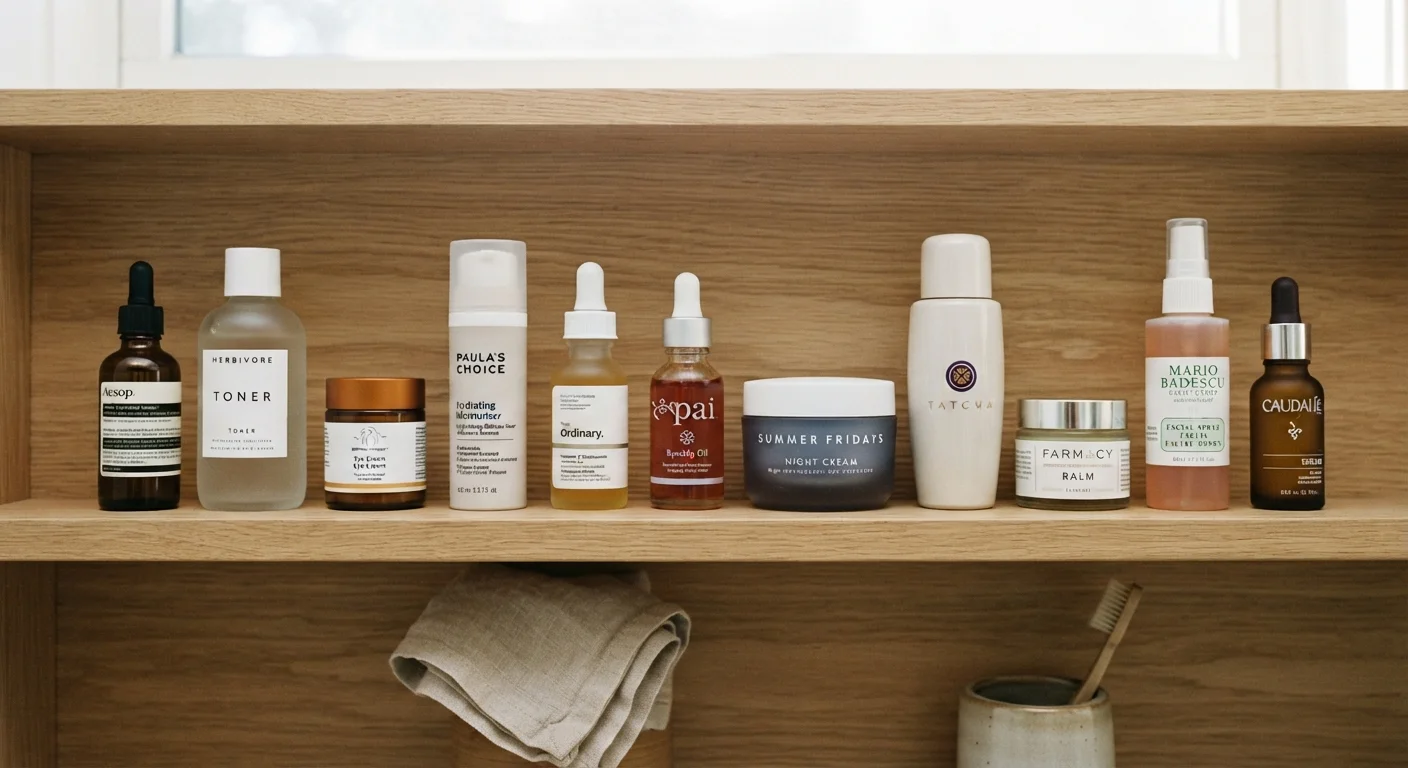
Photo credit: TopInfoTabs.com | Easy Insights For Inspiration
In this article
More steps don't always mean better results. A balanced look at what an extensive skincare routine offers — and where it can work against you.
Key Takeaways
- A longer routine can address multiple skin concerns simultaneously when products are chosen thoughtfully.
- Stacking too many active ingredients raises the risk of irritation, barrier damage, and product conflicts.
- Consistency with a few well-chosen steps often outperforms an elaborate routine applied inconsistently.
- Your lifestyle, skin type, and tolerance all influence how many steps are actually beneficial for you.
Allows highly targeted, multi-concern treatment
Separate products for hyperpigmentation, hydration, and texture mean each concern gets dedicated attention rather than relying on one product to do everything.
Enables strategic layering of complementary actives
Ingredients like niacinamide and hyaluronic acid can amplify each other's benefits when layered correctly, something a single-product approach can't replicate.
Creates a mindful, consistent self-care ritual
Many people find a structured routine provides a grounding daily ritual, which can support stress management and overall wellbeing alongside any skin benefits.
Allows skin to adapt gradually to new actives
Introducing one product at a time within a multi-step structure makes it easier to identify what's working - or causing a reaction - without guesswork.
Higher risk of ingredient interactions and irritation
Combining multiple actives - retinol, AHAs, BHAs, vitamin C - without care can cause redness, peeling, or barrier disruption, especially for sensitive skin types.
Routines become unsustainable and get abandoned
A complex routine that takes 20 minutes often gets skipped under time pressure, making a simpler, consistent approach more effective in practice over months.
Products may be redundant, adding cost without benefit
Layering a hydrating serum, essence, and moisturizer with identical core ingredients often means spending more money for diminishing additional returns.
Can overwhelm or damage the skin's moisture barrier
Over-exfoliating or using too many active steps strips the protective barrier, leading to dryness, sensitivity, and breakouts - the opposite of the intended outcome.
Harder to identify the cause when problems arise
With many products applied daily, pinpointing which one triggered a reaction or breakout becomes a process of lengthy elimination that can take weeks.
What Counts as a 'Lengthy' Routine?
There's no universal number, but skincare conversations typically describe a routine as lengthy when it exceeds five to seven distinct steps - think double cleanse, toner, essence, one or more serums, eye cream, moisturizer, face oil, and SPF. Multi-step approaches drew wide attention through the popularization of Korean skincare philosophies, which can involve ten or more steps. Today, routines of this length are common in beauty culture even outside of that tradition.
Before you decide whether a longer routine suits you, it helps to understand what's actually in those steps. Decoding skincare ingredient lists can reveal whether multiple products genuinely offer different functions - or whether several of them are doing the same job.
The Case For Going Long
Allows highly targeted, multi-concern treatment
Separate products for hyperpigmentation, hydration, and texture mean each concern gets dedicated attention rather than relying on one product to do everything.
Enables strategic layering of complementary actives
Ingredients like niacinamide and hyaluronic acid can amplify each other's benefits when layered correctly, something a single-product approach can't replicate.
Creates a mindful, consistent self-care ritual
Many people find a structured routine provides a grounding daily ritual, which can support stress management and overall wellbeing alongside any skin benefits.
Allows skin to adapt gradually to new actives
Introducing one product at a time within a multi-step structure makes it easier to identify what's working - or causing a reaction - without guesswork.
A well-constructed multi-step routine lets you layer complementary ingredients that work at different depths and times in your skin's cycle. A hydrating toner preps skin before a targeted serum; a barrier-supporting moisturizer seals everything in. When each step has a clear purpose, the cumulative effect can be meaningful.
There's also a behavioral angle worth noting. For many people, a thoughtful evening ritual signals a genuine wind-down - a deliberate pause before sleep that supports overall wellbeing. Evening skincare habits that work with your skin's repair cycle explores how nighttime steps can align with what your skin is already doing naturally.
The Case Against
Higher risk of ingredient interactions and irritation
Combining multiple actives - retinol, AHAs, BHAs, vitamin C - without care can cause redness, peeling, or barrier disruption, especially for sensitive skin types.
Routines become unsustainable and get abandoned
A complex routine that takes 20 minutes often gets skipped under time pressure, making a simpler, consistent approach more effective in practice over months.
Products may be redundant, adding cost without benefit
Layering a hydrating serum, essence, and moisturizer with identical core ingredients often means spending more money for diminishing additional returns.
Can overwhelm or damage the skin's moisture barrier
Over-exfoliating or using too many active steps strips the protective barrier, leading to dryness, sensitivity, and breakouts - the opposite of the intended outcome.
Harder to identify the cause when problems arise
With many products applied daily, pinpointing which one triggered a reaction or breakout becomes a process of lengthy elimination that can take weeks.
The most practical problem with a lengthy routine is sustainability. A ten-step regimen that gets skipped three nights a week because it feels like a chore delivers far less benefit than a four-step routine done consistently. Consistency is widely regarded by dermatologists as one of the most important factors in skincare results.
Product order matters too - and longer routines multiply the ways things can go wrong. Understanding skincare layering is essential if you're using multiple actives, because applying them in the wrong sequence can reduce effectiveness or cause reactions.
A Note on Skin Barrier Health
The skin barrier - the outermost protective layer - is sensitive to overuse of exfoliants and active ingredients. Signs of a compromised barrier include unusual tightness, persistent redness, and increased sensitivity to products that previously felt fine. If you notice these symptoms, scaling back your routine and focusing on gentle, barrier-supportive ingredients is a reasonable first step. For persistent or worsening skin concerns, consulting a board-certified dermatologist is always worth considering.
Finding Your Right Number of Steps
The honest answer is that the right routine length is personal. Sensitive or reactive skin often responds better to fewer, gentler steps. Oily, acne-prone skin may benefit from targeted layering - but only if each product has a specific, non-redundant role. Dry or mature skin might welcome the added hydration layers a longer routine allows.
A useful starting point: identify your top two or three skin concerns, build around those, then audit what you're already using. If two products share the same primary ingredient or function, one of them may not be earning its place. If mornings feel rushed, a streamlined morning skincare checklist can show you what's genuinely non-negotiable before you head out the door.
3-5 steps
Steps dermatologists commonly recommend as a baseline
Dermatology guidance generally centers a functional routine on cleansing, moisturizing, and daily SPF as non-negotiable foundations before adding optional actives.
~48%
Adults who report skipping their routine when it feels too long
Consumer surveys on skincare behavior consistently find that routine complexity is one of the leading reasons people abandon their regimen within the first month.

Author
Style & Beauty Editorial Team
Style & Beauty Editorial Team is the collective byline for our editorial team and contributor network. Articles published under this byline or an editorial pen name are researched, written, and reviewed according to our editorial standards for clarity, consistency, and independence before publication.
View all articles →