
Reading a Skincare Ingredient List Without Going Cross-Eyed
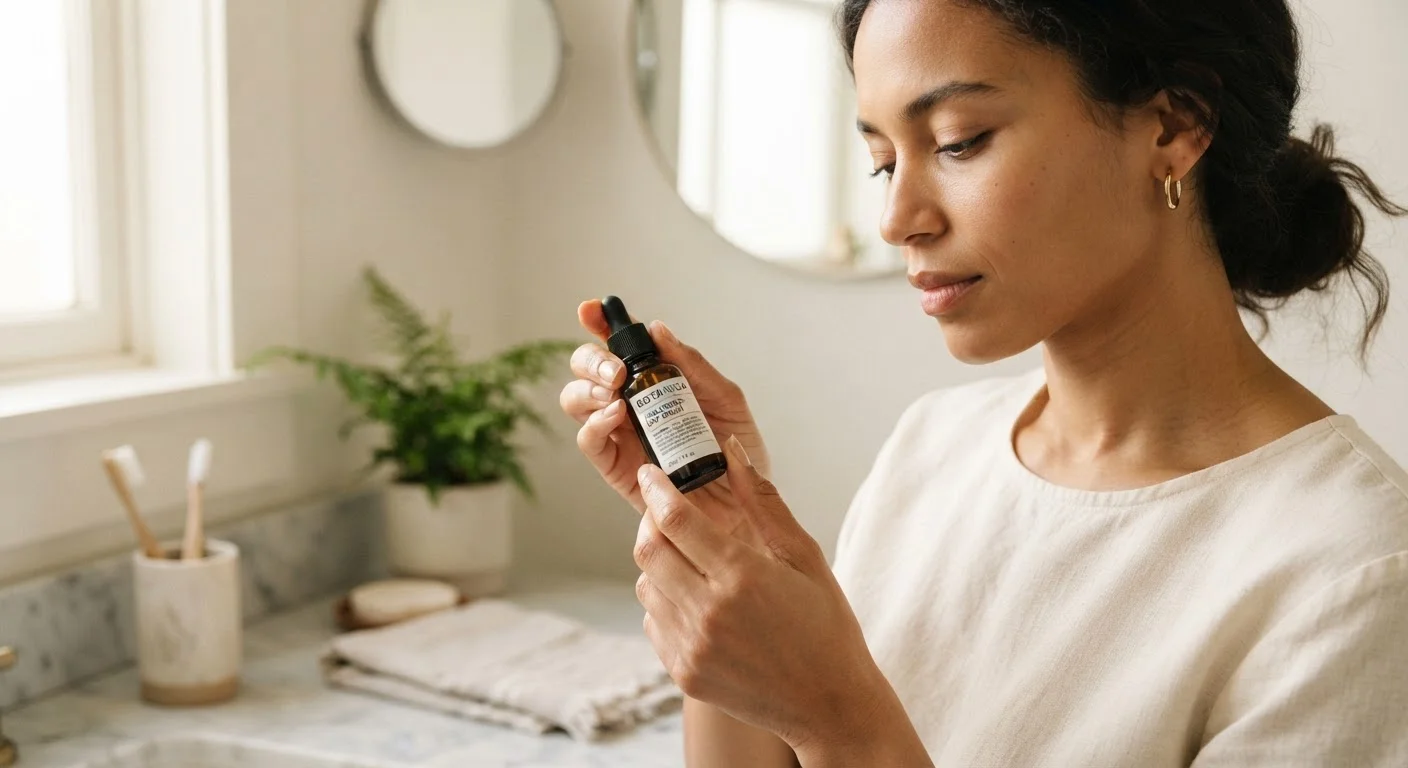
Photo credit: TopInfoTabs.com | Easy Insights For Inspiration
In this article
Ingredient lists can look like chemistry homework. This guide explains what to look for, what to skip, and how to decode common terms.
Key Takeaways
- Ingredients are listed in descending order by concentration, so position on the list matters.
- Most long chemical names are simply familiar substances with their scientific labels.
- Actives - the ingredients doing the targeted work - typically appear in the first half of the list.
- Patch testing remains the most reliable personal screen for potential irritants.
- Knowing your skin type makes ingredient reading significantly more useful and actionable.
Why the Ingredient List Actually Matters
Marketing copy on the front of a skincare product is largely unregulated - words like "nourishing," "clarifying," or "anti-aging" mean whatever a brand decides they mean. The ingredient list on the back, however, follows a standardized format called INCI, which gives it real informational value once you know how to read it.
In the US, the FDA requires cosmetic products to list ingredients in descending order of concentration - meaning whatever appears first makes up the largest portion of the formula. This single rule is the most useful thing to understand before anything else. If water (aqua) is listed first, water is the dominant ingredient. If a celebrated active ingredient appears near the very end, it's present in a small amount.
If you're still building your foundational routine, our beginner's skincare guide offers a grounded starting point before you dive deeper into formulas.
What you will need
How to Decode Common Terms and Naming Conventions
The biggest source of ingredient-list anxiety is unfamiliar Latin or chemical names. Most of them are simply everyday substances in scientific dress. Butyrospermum parkii is shea butter. Simmondsia chinensis is jojoba oil. Tocopherol is vitamin E. Once you recognize this naming pattern, the list becomes far less daunting.
A few broad categories worth knowing:
- Humectants draw moisture into the skin - look for glycerin, hyaluronic acid, or sodium hyaluronate.
- Emollients soften and smooth - fatty alcohols like cetyl alcohol or plant oils often serve this role.
- Occlusives form a barrier to lock moisture in - dimethicone and certain waxes fall here.
- Preservatives keep the product safe from microbial growth - phenoxyethanol and sodium benzoate are common examples.
- Actives are the functional, targeted ingredients - retinol, niacinamide, AHAs, BHAs, and peptides. Our plain-language reference on actives explains what each one does in more detail.
Don't Panic Over Long Names
A lengthy chemical name doesn't signal danger - it's often just the INCI standard for something familiar. Sodium ascorbyl phosphate is simply a stable form of vitamin C. If a name feels alarming, look it up before forming a verdict. Familiarity builds quickly with practice.
Step-by-Step: Reading a Label With Confidence
Follow these steps the next time you're evaluating a new product. With practice, the process takes under two minutes.
Look at the first five ingredients
These make up the bulk of the formula - often 80% or more of the product by weight. Identify whether the base is water, an oil, or something like aloe vera. This tells you the product's fundamental character: hydrating, oil-based, or lightweight.
Find the actives
Actives - ingredients with a specific functional purpose like exfoliation, brightening, or firming - are typically in the middle of the list. Scan for ingredients you recognize: glycolic acid, salicylic acid, niacinamide, vitamin C (ascorbic acid), or retinol.
Check near the bottom for potential irritants
Preservatives, fragrances, colorants, and stabilizers typically appear at the end of the list in small concentrations. If you have sensitive skin, look for parfum, fragrance, essential oils, or known irritants like certain preservatives.
Cross-check one or two unfamiliar names
When you encounter a name you don't recognize, look it up before deciding it's alarming. Reputable cosmetic databases maintained by dermatological organizations can help you understand an ingredient's function and general safety profile.
Patch test before full use
Apply a small amount of the product to the inside of your wrist or behind your ear. Wait 24-48 hours before applying it to your face. This is especially important for products containing actives, fragrance, or new-to-you ingredients.
Red Flags and Reassurances
Not every unfamiliar ingredient is cause for alarm - and not every "natural" ingredient is automatically gentle. Fragrance (listed as parfum or fragrance) is one of the most common sources of skin sensitivity, regardless of whether it comes from natural or synthetic sources. If you have reactive skin, scanning for this early can save you a lot of guesswork.
Alcohol gets a mixed reputation, and for good reason: denatured alcohol (alcohol denat.) in high concentrations can be drying, while fatty alcohols like cetearyl alcohol are actually conditioning. The name alone doesn't tell the story - context and position in the list matter.
Understanding your skin type sharpens ingredient reading considerably. If you're unsure where you fall, our skin types reference is a helpful companion. And once you've chosen your products wisely, our guide on skincare layering explains how to get the most out of them.
"Natural" Doesn't Automatically Mean Gentle
Plant-derived ingredients, essential oils, and botanical extracts can cause allergic reactions just as synthetic ingredients can. Poison ivy is natural; so is poison oak. Evaluate ingredients on their function and your skin's known responses rather than their origin story.
This article is for general informational purposes only. If you have a skin condition, known allergies, or concerns about a specific ingredient, consult a qualified dermatologist or healthcare professional before making changes to your routine.

Author
Style & Beauty Editorial Team
Style & Beauty Editorial Team is the collective byline for our editorial team and contributor network. Articles published under this byline or an editorial pen name are researched, written, and reviewed according to our editorial standards for clarity, consistency, and independence before publication.
View all articles →