
Skin Types Explained: Dry, Oily, Combination, and Sensitive
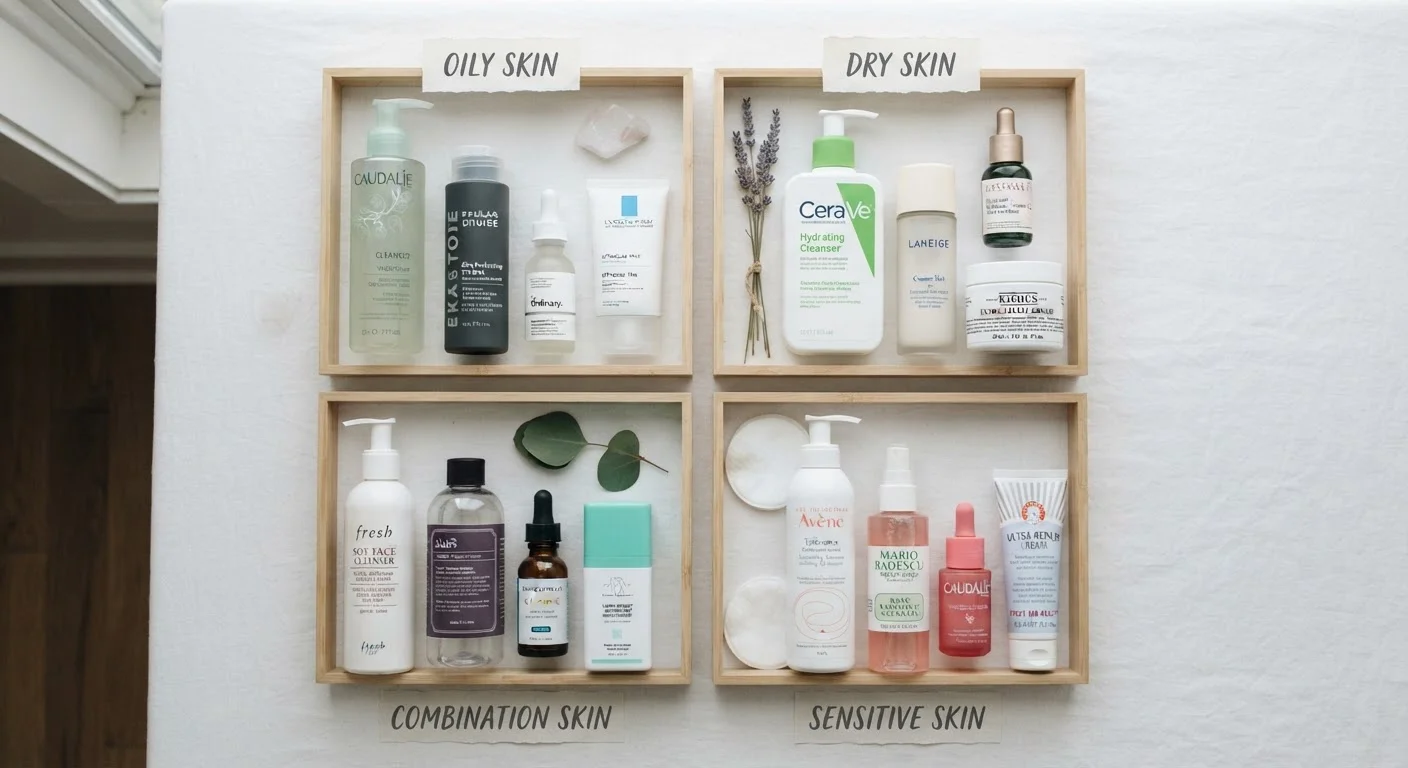
Photo credit: TopInfoTabs.com | Easy Insights For Inspiration
In this article
Knowing your skin type is the foundation of an effective routine. This reference breaks down the key characteristics of each type clearly.
Why Knowing Your Skin Type Changes Everything
Walk into any beauty aisle and the sheer number of product options can feel paralyzing. "For dry skin." "Oil-control formula." "Gentle for sensitive types." These labels only help if you know where you fit - and that's exactly why identifying your skin type is considered the bedrock of any effective skincare routine.
Skin type refers to the baseline behavior of your skin when it's healthy and unaffected by environmental stressors. It's not the same as a skin concern (like acne or hyperpigmentation), though the two often overlap. Once you understand your type, choosing the right formulas becomes far less guesswork. See our practical beginner's routine guide to put that knowledge into action right away.
| Number of recognized skin types | 4 primary types |
| Most common skin type | Combination (Widely reported in dermatology literature) |
| Key driver of oily skin | Excess sebum production |
| Sensitive skin distinction | Can co-exist with any skin type |
| Skin type stability | Can change with age, season, hormones |
The Four Core Skin Types
Most people fall into one of four categories - or a mix of them. Here's a clear breakdown of each.
Dry Skin
Dry skin produces less sebum (the skin's natural oil) than average. It often feels tight, especially after cleansing, and may appear dull, flaky, or rough in texture. Fine lines can look more pronounced on dry skin simply because of reduced surface moisture. Hydrating, cream-based products tend to suit this type well.
Oily Skin
Oily skin overproduces sebum, resulting in a shiny or greasy appearance - particularly in the T-zone (forehead, nose, and chin). Enlarged pores and a higher likelihood of clogged pores are common characteristics. Lightweight, non-comedogenic (pore-friendly) formulas generally work best.
Combination Skin
Combination skin is exactly what it sounds like: oily in some areas (usually the T-zone) and dry or normal in others (often the cheeks). It's actually the most common skin type. Balancing the two zones can require a flexible approach - sometimes using different products on different areas of the face.
Sensitive Skin
Sensitive skin reacts more readily to products, temperature changes, or environmental triggers. Redness, stinging, itching, or tightness after product use are telltale signs. It's worth noting that sensitivity can appear alongside any of the other three types - you can have oily and sensitive skin simultaneously. Fragrance-free, minimal-ingredient formulas are generally a safer starting point. If skin reactions are frequent or severe, a dermatologist can help rule out underlying conditions.
Sebum
The natural oil produced by the skin's sebaceous glands. Sebum helps protect and moisturize the skin barrier, but too much or too little can affect skin behavior and appearance.
T-zone
The forehead, nose, and chin area of the face, which forms a T shape. This zone typically produces more oil than the rest of the face, making it a key reference point for identifying combination skin.
Non-comedogenic
A term used to describe skincare and makeup formulas that are designed not to clog pores. Commonly recommended for oily or acne-prone skin types.
Skin barrier
The outermost layer of the skin that acts as a protective shield against environmental stressors and moisture loss. A healthy skin barrier is important for all skin types, especially dry and sensitive.
Skin concern
A specific issue affecting the skin - such as acne, hyperpigmentation, or redness - that is distinct from skin type. A person can have a particular skin type while also experiencing multiple skin concerns.
This article is for general informational purposes only and is not a substitute for professional dermatological advice. Consult a qualified healthcare provider for personal skin concerns or persistent reactions.
How to Figure Out Your Skin Type at Home
A simple method called the bare-face test can offer useful clues. Wash your face with a gentle cleanser, pat dry, and wait 30-60 minutes without applying anything. Then observe:
- Tight, flaky, or dull? Likely dry.
- Shiny all over? Likely oily.
- Shiny in the T-zone, comfortable elsewhere? Likely combination.
- Redness, itching, or irritation? Possibly sensitive (regardless of other characteristics).
Keep in mind that skin can shift with seasons, hormonal changes, age, and even stress levels. Someone who had oily skin in their twenties may notice drier patterns later in life. Think of your skin type as a useful starting reference, not a permanent label.
Once you know your type, the next logical step is understanding how ingredients interact with it. Our ingredient list decoder makes that process much more approachable. And when you're ready to go deeper, skincare layering explained shows you how to apply what you've chosen in the right sequence for best results.
~50%
Adults who report having sensitive skin
Multiple consumer surveys across US and European populations have consistently found that roughly half of adults self-identify as having sensitive skin.
4 in 10
People whose skin type shifts seasonally
Dermatologists commonly note that cold, dry winters and humid summers can noticeably alter how skin behaves, affecting moisture levels and oil production.

Author
Style & Beauty Editorial Team
Style & Beauty Editorial Team is the collective byline for our editorial team and contributor network. Articles published under this byline or an editorial pen name are researched, written, and reviewed according to our editorial standards for clarity, consistency, and independence before publication.
View all articles →