
Your First Skincare Routine: A Practical Starting Point for Complete Beginners
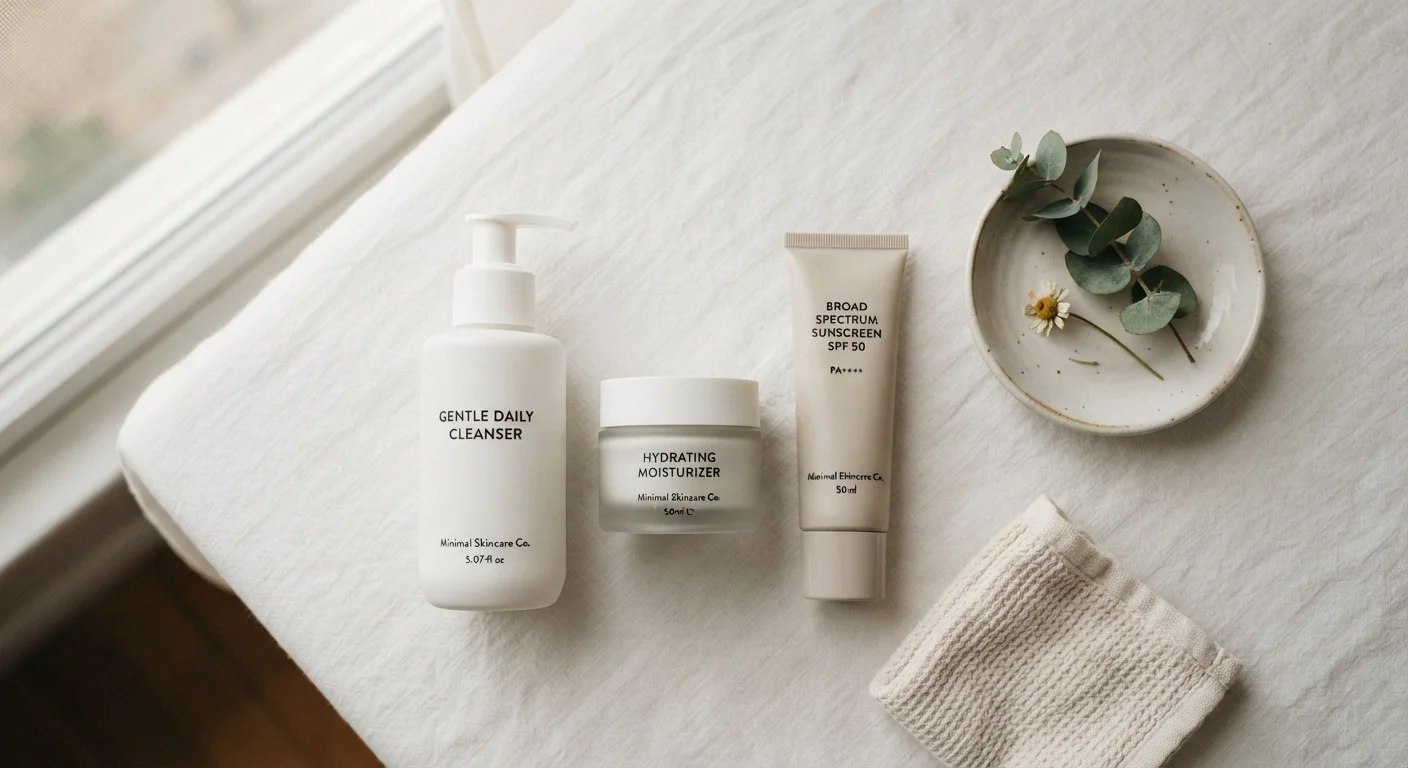
Photo credit: TopInfoTabs.com | Easy Insights For Inspiration
In this article
Not sure where to begin with skincare? This straightforward guide walks you through a simple, effective routine without the overwhelm.
Key Takeaways
- A three-step routine - cleanse, moisturize, protect - is enough to start building healthy skin habits.
- Skin type shapes which product textures and formulas work best for you, but identification takes simple observation.
- Consistency over days and weeks matters far more than using many products at once.
- Adding active ingredients too soon can irritate skin; earn your basics first before layering extras.
- Morning and evening routines serve different purposes and can be adapted to your real daily schedule.
Why Keep It Simple at the Start
Walk into any beauty aisle and it's easy to feel like you need a shelf full of serums just to have decent skin. You don't. The most common mistake beginners make isn't using the wrong products - it's trying to use too many at once.
Starting simple protects your skin in a practical way. When you introduce one or two new products at a time, you can actually tell what's working and what isn't. Pile on five products in week one, and any irritation or breakout becomes a guessing game.
There's also a habit-building argument here. A two-minute routine you'll actually do every day beats a ten-step process you abandon after three mornings. More steps don't always mean better results - and committing to the basics consistently is where real skin health is built.
Give Your Skin Time to Adjust
When you start a new routine, some temporary changes - like mild dryness or minor breakouts - can occur as your skin adapts. Most skin experts suggest giving a new routine at least four to six weeks before making major changes. Resist the urge to swap products every week; consistency is what actually reveals whether something is working.
The Three Steps Every Beginner Needs
Whatever your skin concerns, three actions form the reliable foundation of any routine:
- Cleanse: Washing your face removes dirt, oil, pollution, and sunscreen residue that accumulate throughout the day. A gentle, non-stripping cleanser - one that leaves your skin feeling comfortable, not tight - is the goal. Avoid anything that makes your face feel squeaky-clean; that's a sign the skin barrier has been over-stripped.
- Moisturize: Every skin type benefits from moisturizer, including oily skin. Moisturizer supports the skin's barrier, which helps regulate oil production and keeps irritants out. The texture you want varies by skin type - lightweight gels suit oilier skin; creamier formulas tend to work better on dry or combination types.
- Protect (AM only): Broad-spectrum sunscreen with an SPF of at least 30 is the morning step most people skip - and the one most consistently supported by dermatological guidance. Sun exposure is a well-documented contributor to premature skin aging and other skin changes over time.
Once you're comfortable with these three, you can explore what else might benefit your skin. Our guide to reading skincare ingredient lists is a helpful next read when you're ready to go deeper.
Skin barrier
The outermost layer of skin that acts as a protective shield, keeping moisture in and irritants out. Damaging it through harsh cleansers or over-exfoliation can cause dryness and sensitivity.
Broad-spectrum SPF
A sunscreen that protects against both UVA (aging) and UVB (burning) rays. Broad-spectrum coverage is recommended over SPF ratings that only address one type of UV radiation.
Active ingredient
A component in a skincare product that delivers a specific, targeted effect - such as reducing dark spots or encouraging cell renewal. These are usually more potent than base formula ingredients.
Patch test
Applying a small amount of a new product to a discreet area of skin (like the inner arm) and waiting 24-48 hours to check for a reaction before using it on your face.
Humectant
An ingredient that draws moisture from the environment into the skin. Hyaluronic acid and glycerin are common humectants found in moisturizers and serums.
T-zone
The forehead, nose, and chin area of the face, which tends to produce more oil than the cheeks. Used as a reference point when assessing skin type.
Understanding Your Skin Type
Knowing your general skin type helps you choose products that won't fight against your skin's natural tendencies. You don't need a clinical assessment - a simple observation method works fine for beginners.
Wash your face with a gentle cleanser, pat dry, and wait about an hour without applying anything. Then look at what you notice:
- Oily skin tends to look shiny across the forehead, nose, and chin (often called the T-zone) and may feel heavy or congested.
- Dry skin may feel tight, appear dull, or show some flakiness, especially around the cheeks and mouth.
- Combination skin is oily in the T-zone but drier or normal on the cheeks - the most common skin type.
- Sensitive skin reacts easily to products, weather, or stress with redness, stinging, or irritation.
- Normal skin feels balanced - not tight, not slick - and reacts minimally to new products.
Skin type isn't permanent. Hormones, seasons, lifestyle changes, and age all shift the picture. Think of it as a helpful starting guide, not a fixed label.
Skin Type Can Change Over Time
The skin type you identify today may shift with age, seasons, stress levels, or hormonal changes. It's worth reassessing every few months, especially if your skin starts behaving differently than expected. Products that worked well in summer may feel too light in winter, and vice versa - this is normal, not a sign something has gone wrong.
Building Morning and Evening Habits
The most effective skincare routine is one that fits your real schedule. If you have five minutes in the morning, that's your morning routine. Here's how to think about each window:
Morning: Your goal is to prep and protect. Cleansing in the morning can be as light as a rinse with water if your skin isn't particularly oily - a full cleanse is more important at night. Follow with moisturizer and, always, sunscreen. Our morning routine checklist lays out the essentials in a quick scan-and-go format.
Evening: This is when the deeper cleanse matters. You're removing the day's buildup - sunscreen, pollution, makeup if you wear it. If you use makeup, thorough removal before your cleanse is important; a quick wipe isn't always sufficient. The evening skincare habits guide explains how to make the most of your skin's natural overnight repair process.
Don't stress about doing both routines perfectly every single day. If you miss a morning, just pick it back up at night. Consistency over weeks matters far more than perfection on any one day.
When to Add More Steps
Once your three-step routine feels automatic and your skin is stable - no new breakouts or irritation from what you're already using - you might want to explore adding targeted treatments. Common additions include:
- Serums with active ingredients like vitamin C, niacinamide, or hyaluronic acid, which address specific concerns like uneven tone or dehydration
- Exfoliants (chemical or physical) used once or twice a week to encourage cell turnover
- Eye creams for those specifically concerned with the delicate skin around the eyes
The key rule: introduce one new product at a time, leaving at least two weeks between additions. This way, if something causes a reaction, you'll know exactly what it was. Our reference guide to active ingredients in skincare explains what common actives do in plain language, without the chemistry lesson.
Layering products in the right order also affects how well they work - the skincare layering guide covers the logic behind sequencing so you get the most from every step.
This article provides general skincare information for educational purposes and is not a substitute for advice from a qualified dermatologist or healthcare professional. If you have a skin condition or experience persistent irritation, consult a medical professional.
Frequently Asked Questions

Author
Style & Beauty Editorial Team
Style & Beauty Editorial Team is the collective byline for our editorial team and contributor network. Articles published under this byline or an editorial pen name are researched, written, and reviewed according to our editorial standards for clarity, consistency, and independence before publication.
View all articles →