
Lesser-Known Ways People Develop a Distinctive Personal Style
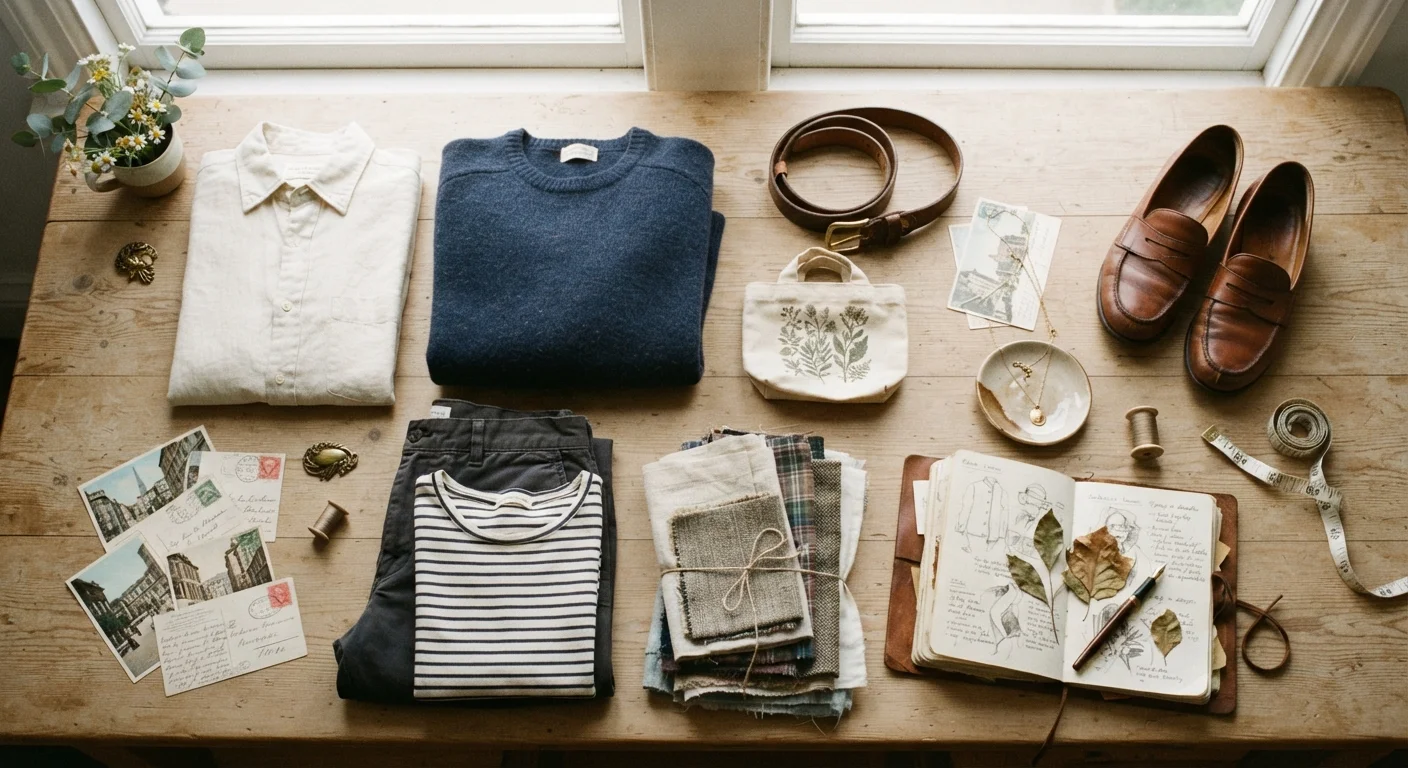
Photo credit: TopInfoTabs.com | Easy Insights For Inspiration
Beyond scrolling feeds and copying influencers — a curated look at the overlooked habits and practices that help people develop a truly individual aesthetic.
Key Takeaways
- Distinctive personal style often develops through offline habits, not just social media browsing.
- Paying attention to how clothes feel - not just how they look - is a foundational style practice.
- Drawing inspiration from non-fashion sources like art, architecture, and music deepens aesthetic identity.
- Keeping a style journal helps you track patterns in what you love over time.
- Experimenting with restriction, not abundance, often sharpens your sense of self more quickly.
Why the Usual Style Advice Misses the Point
Most style guidance starts and ends with the same suggestions: follow inspiring accounts, build a mood board, buy versatile basics. And while none of that is bad advice, it rarely answers the deeper question - how do you develop a look that feels genuinely yours, rather than a collage of things you admire on other people?
The truth is that personal style - the kind that reads as coherent and intentional - usually takes shape through habits and moments that rarely make it into trend round-ups. It's worth understanding what personal style actually means before diving into how to build one, because fashion and style really aren't the same thing.
The following practices are less discussed but genuinely effective for people who want to move beyond imitation and toward something that holds up across seasons and contexts.
Keep a Style Journal (Not a Pinterest Board)
A physical journal - where you paste in images torn from magazines, jot down observations about outfits you felt great in, and note what you disliked about looks that seemed right on paper - builds something a digital board rarely does: a record of your actual feelings over time. Patterns emerge. You start to notice you always reach for a certain silhouette, or that you consistently feel most like yourself in a particular palette. That's real data about your aesthetic identity, not just visual inspiration.
A style journal reveals patterns in what you love - patterns you'd never spot scrolling.
Borrow Inspiration from Non-Fashion Sources
Some of the most original dressers draw less from other people's wardrobes than from architecture, vintage photography, a favourite novel's era, or a music genre's visual culture. Asking yourself what aesthetic qualities you love in a mid-century building or a particular film's colour grading, then translating those qualities into your clothing choices, produces something genuinely individual. It also makes your style harder to pin to a single trend cycle. If you're curious how to channel this into a framework, exploring style archetypes can help you name what you're drawn to.
The most original dressers often borrow less from fashion than from art, film, and architecture.
Do a Reverse Edit - Keep Only What Surprises You
Instead of the standard closet declutter (removing what doesn't fit or hasn't been worn in a year), try keeping only the pieces that feel slightly surprising or delightful when you hold them up. This inverted approach reveals your genuine aesthetic pull rather than your practical defaults. The pieces that survive tend to illuminate something real about your taste. From there, building outward becomes easier - you're working from a nucleus, not guessing.
Keeping only what surprises you reveals your true aesthetic pull more accurately than any quiz.
Pay Attention to How Clothes Feel, Not Just Look
Comfort isn't just about fit - it encompasses fabric weight, the sound of a fabric as you move, how a garment sits at the shoulder, whether a waistband feels constraining. People who develop strong personal styles often describe becoming very attuned to tactile experience. When you start noticing what physically feels right on your body and matching that to what you find visually pleasing, you're building a style that is embodied, not just aesthetic. This is a practice that pays off especially when choosing colours that feel authentically yours.
Tuning into how clothes feel - not just look - grounds your aesthetic in lived experience.
Impose Constraints to Sharpen Your Choices
Counterintuitively, limiting your options often clarifies your aesthetic faster than having unlimited ones. Try wearing only a narrow colour palette for a month, or dressing exclusively from five pieces. Creative constraint forces you to develop fluency with what you already have and to discover combinations you'd never have reached for with a full wardrobe available. Many people describe this kind of experiment as the moment they understood what their style actually was - as opposed to what they thought it should be. This connects directly to understanding which pieces are truly signature versus passing additions.
Voluntary creative constraint reveals what you actually love - faster than abundance ever will.
Observe Real People in Real Contexts
Street observation - watching how people dress at a farmers market, in a particular neighbourhood, at a gallery opening - gives you unfiltered, three-dimensional style data. You notice how garments move and interact with posture, lighting, and context in ways no photo can fully capture. You may find yourself drawn to specific combinations you'd never have encountered on an algorithm-curated feed. This kind of observation is an old practice of designers and stylists, and it's surprisingly accessible as a personal habit. If you're just beginning this exploration, building a style identity from scratch outlines helpful foundational steps.
Real-world style observation teaches you things no curated feed can replicate.
Making Your Style Last Beyond the Moment
None of these practices produce overnight results - and that's exactly the point. A distinctive aesthetic is built incrementally, through attention and experimentation rather than a single shopping haul or aesthetic overhaul.
Give Yourself Permission to Evolve Slowly
Style identity isn't a destination you arrive at once - it shifts as your life, body, and values change. Resisting the pressure to lock in a look permanently is itself a style practice. Give yourself room to experiment with small changes rather than full reinventions; subtle iteration tends to produce more durable and satisfying results than wholesale overhauls.
As you experiment, it helps to think ahead: what separates a passing style phase from a lasting aesthetic often comes down to whether your choices are rooted in genuine feeling or external pressure. And once you've developed a stronger sense of your look, you'll find it easier to adapt across different contexts without losing your style thread. Style, at its most useful, is a quiet confidence you carry wherever you go.

Author
Style & Beauty Editorial Team
Style & Beauty Editorial Team is the collective byline for our editorial team and contributor network. Articles published under this byline or an editorial pen name are researched, written, and reviewed according to our editorial standards for clarity, consistency, and independence before publication.
View all articles →