
Seasonal Wardrobe Transitions: What to Keep, Store, and Let Go
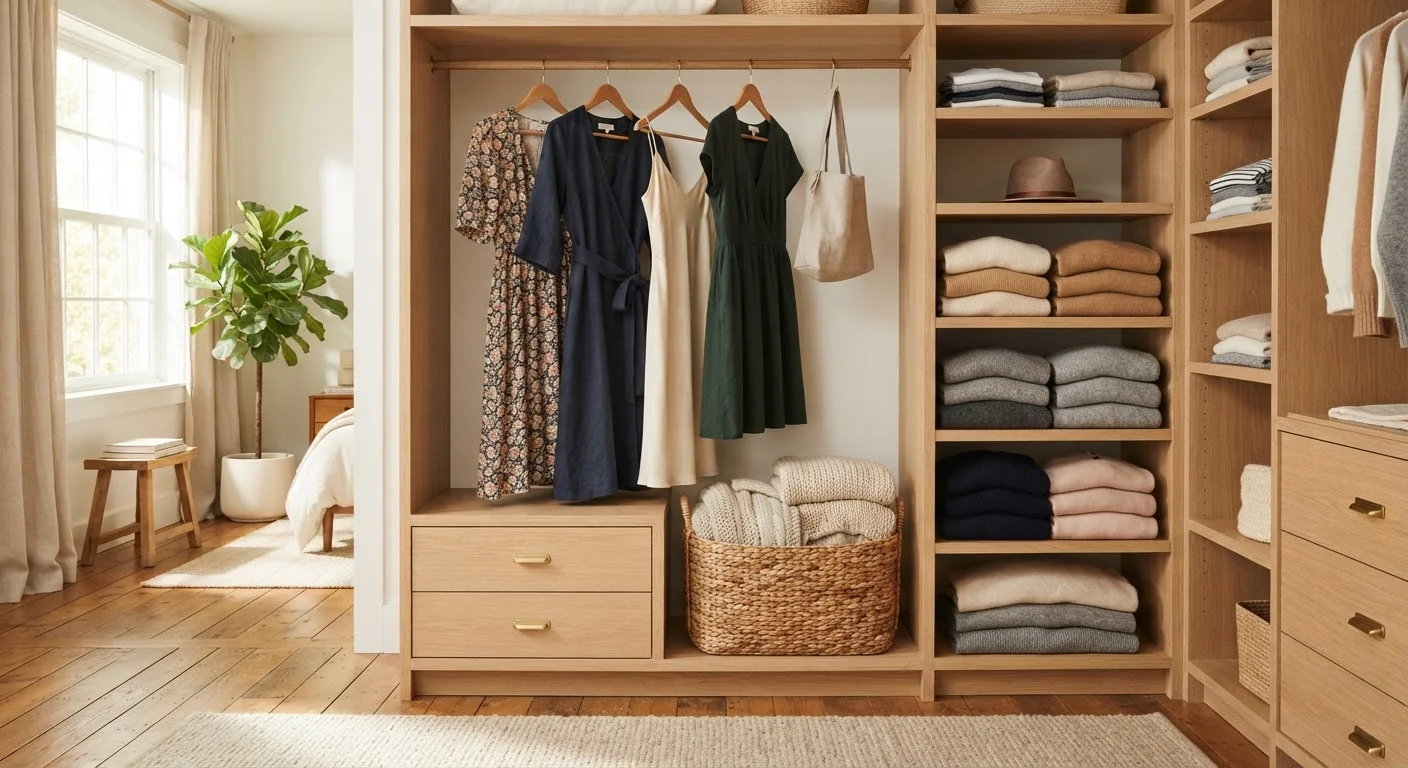
Photo credit: TopInfoTabs.com | Easy Insights For Inspiration
In this article
Use this checklist to audit your wardrobe between seasons — decide what still earns its space, what needs storing, and what's ready to move on.
Key Takeaways
- A seasonal wardrobe audit helps you dress better daily without accumulating clutter.
- Keep only pieces you genuinely reach for, that fit well, and that work across multiple outfits.
- Proper storage - clean, folded, and protected - extends the life of off-season pieces.
- Letting go of items that no longer serve you creates space for clothes that actually do.
- Transitioning thoughtfully between seasons reduces the urge for impulsive wardrobe purchases.
Why a Seasonal Transition Is Worth the Effort
Most of us open our closets every morning and see a mix of things we love, things we forgot we owned, and things we keep out of vague obligation. A seasonal wardrobe audit breaks that cycle. Rather than shopping your way to a better closet, you can start by working with what you already have.
The goal here isn't minimalism for its own sake - it's clarity. When your closet reflects the current season and your actual life, getting dressed becomes faster and more satisfying. Think of this the way you'd approach any other seasonal reset: much like running through a seasonal car maintenance checklist, a wardrobe audit helps you catch what's worn out, protect what's worth keeping, and make room for what you genuinely need.
Before you start, set aside a block of time - typically 45 to 90 minutes works well for most closets. Pull everything out into the open so you're making active decisions rather than passive ones.
Full-length mirror
Essential for accurately assessing fit and condition when trying on pieces during the audit.
Sturdy hangers
Uniform hangers make it easier to see your active wardrobe clearly and prevent garments from slipping or stretching.
Breathable cotton garment bags
Protect off-season clothing during storage without trapping moisture that can damage natural fabrics.
Labeled storage bins or boxes
Keep off-season items organized so you can retrieve specific categories next season without unpacking everything.
Cedar blocks or lavender sachets
Natural deterrents that help protect stored clothing from moths and musty odors.
Donation bags or resale boxes
Having designated bags ready makes it easier to follow through on letting go rather than leaving items in a maybe pile.
Your Complete Seasonal Wardrobe Transition Checklist
Work through these groups in order. The checklist is designed to move you from assessment to action without second-guessing every hanger. If you'd like a deeper framework for understanding what your closet reveals about your style, a full style audit is a useful companion exercise.
Assessment: Pull Everything Out
Keep: Active Wardrobe Criteria
Store: Off-Season Care
Let Go: Time to Move On
The "Maybe" Pile Is a Trap
It's tempting to create a third category for items you're not sure about - but this often becomes a permanent holding zone that defeats the purpose of the audit. If you're genuinely undecided, set a hard 30-day rule: if you haven't reached for it once in the next month, it moves to the let-go pile. Avoid storing "maybes" as though that's a resolution.
Making the Most of What You Decide to Keep
Keeping a piece is only half the decision - how you integrate it matters. Items that earn a spot in your active wardrobe should be able to do real work. Ask yourself whether each piece connects to at least two or three other things you already own. Clothes that genuinely transition across settings are worth holding onto; items that only work in one very specific scenario tend to gather dust.
If your keep pile is starting to feel like a curated collection rather than a grab-bag, that's a good sign. For a deeper look at the philosophy behind building a closet with real staying power, explore dressing with intention - it picks up naturally where this checklist leaves off. And if you're weighing whether to simplify further, the capsule vs. curated closet question is worth exploring before your next season.
Style Longevity Matters More Than Trends
When deciding what truly earns its place in your wardrobe, think in terms of lasting personal aesthetic rather than seasonal trend cycles. What separates a passing phase from a lasting aesthetic is a useful reference when you're weighing a borderline piece. Clothes that genuinely reflect your identity - not who you thought you'd be when you bought them - are almost always worth keeping.
Whatever you decide to let go of, consider donating wearable items to local clothing organizations, selling through resale platforms, or recycling through textile take-back programs - all more sustainable than landfill disposal.

Author
Style & Beauty Editorial Team
Style & Beauty Editorial Team is the collective byline for our editorial team and contributor network. Articles published under this byline or an editorial pen name are researched, written, and reviewed according to our editorial standards for clarity, consistency, and independence before publication.
View all articles →