
The Seasonal Car Maintenance Checklist Every Driver Should Run
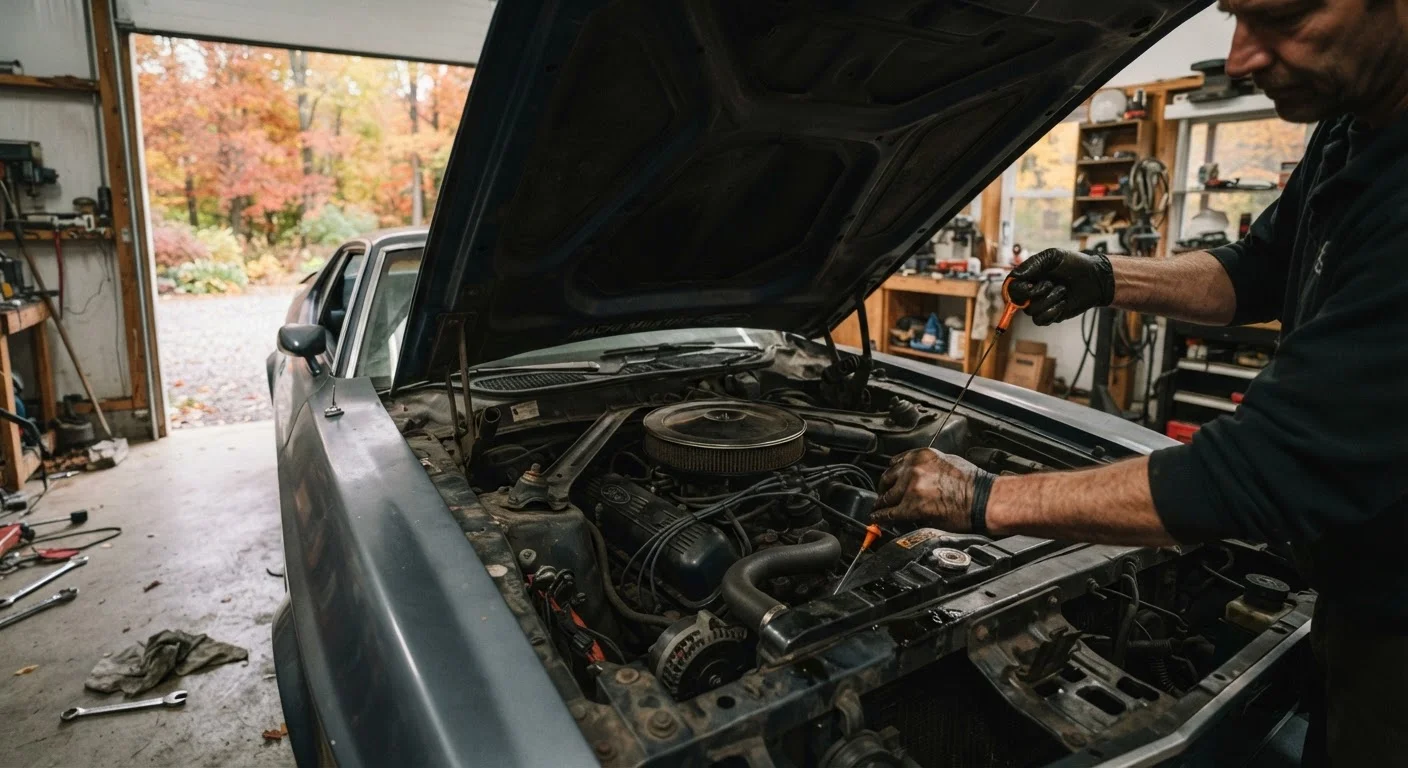
Photo credit: TopInfoTabs.com | Easy Insights For Inspiration
In this article
A practical checklist covering what to inspect and refresh on your vehicle as the seasons change, from fluids to tyres to wipers.
Key Takeaways
- Seasonal checks catch wear and fluid issues before they become expensive repairs.
- Many items on this checklist require no tools and can be done in your driveway.
- Tyres, fluids, and wipers are the three most season-sensitive components on any vehicle.
- Some tasks - like brake inspection and belt checks - should be referred to a qualified mechanic.
- Pairing this checklist with a maintenance tracking system keeps your vehicle consistently road-ready.
Why Seasonal Checks Matter More Than Annual Ones
Most drivers associate car maintenance with a once-a-year service visit, but vehicles face meaningfully different stresses depending on the season. Summer heat degrades rubber and strains cooling systems. Winter cold thickens fluids, reduces battery output, and demands more from tyres. Spring and autumn are transition points where accumulated wear from one season meets the demands of the next.
Running a structured check at each seasonal change - roughly every three months - gives you a short window to catch developing problems early, often before they trigger a warning light or a breakdown. Many of these checks require nothing more than your eyes, a few minutes, and a clean rag. For the ones that go deeper, knowing what to look for helps you have a more informed conversation with your mechanic.
See our guide to tracking and scheduling routine maintenance to pair this checklist with a system that keeps you consistently ahead of wear.
Fluids
Tyres
Visibility & Lighting
Battery & Electrical
Brakes & Suspension
Belts, Hoses & Air Filter
Tools You'll Want Before You Start
You don't need a full workshop to complete most of this checklist. The items below cover the basics for a thorough driveway inspection. For tasks beyond visual checks - particularly brakes, belts, and suspension components - defer to a qualified mechanic rather than attempting them without the right equipment or experience.
Tyre pressure gauge
Accurately measure tyre inflation across all four tyres and the spare.
Flashlight or work light
Illuminate engine bay components, undercarriage, and tyre sidewalls for a clear inspection.
Clean lint-free rags
Wipe dipsticks clean before reading and clean up any spills during fluid checks.
Owner's manual
Confirm correct fluid types, capacities, and tyre pressure specifications for your specific vehicle.
Tread depth gauge
Measure remaining tyre tread with more precision than the coin method alone.
Battery terminal cleaner brush
Remove corrosion from battery terminals safely before re-securing connections.
For a clear breakdown of which jobs are genuinely DIY-friendly and which carry real risk, see our article on DIY car maintenance - what's safe to do yourself.
Brake and Belt Work Belongs in a Shop
Visual checks of brakes and belts can flag obvious concerns, but accurate assessment of brake pad thickness, rotor condition, and belt tension requires a lift and trained eyes. If you notice squealing brakes, a grinding sensation, or a cracked belt, have a qualified mechanic inspect these components before driving the vehicle further. These are not areas where guesswork is acceptable.
Putting the Checklist to Work
Once you've completed your seasonal walkthrough, don't discard your notes. Log what you checked, what you found, and any items you've flagged for a mechanic. Patterns across multiple seasons - a fluid that keeps running low, a tyre that keeps losing pressure - often signal an underlying issue worth investigating.
If your vehicle has significant mileage, some of these checks take on added urgency. The maintenance priorities for high-mileage vehicles shift as components age, and seasonal checks are your best early-warning system. Before any long trip following a seasonal change, also run through our pre-drive safety checklist to confirm everything is road-ready.
Never Check Coolant on a Hot Engine
Opening a pressurised coolant reservoir or radiator cap on a warm or hot engine can cause scalding fluid to eject suddenly. Always allow the engine to cool completely - at least 30 minutes after driving - before inspecting or topping up coolant. If the reservoir appears cracked or the cap is damaged, have it inspected by a mechanic before driving.
Low Brake Fluid May Signal a Bigger Problem
A brake fluid reservoir that keeps running low is not simply a top-up situation - it often indicates either a leak in the brake system or brake pads worn to near the end of their life. Topping up the fluid without investigating the underlying cause can mask a safety issue. Have a mechanic inspect the brake system if fluid is consistently below the minimum line.
Understanding what your dashboard is telling you between seasonal checks is equally important - decoding your car's warning lights gives you the context to respond quickly and appropriately.

Author
Cars & Driving Editorial Team
Cars & Driving Editorial Team is the collective byline for our editorial team and contributor network. Articles published under this byline or an editorial pen name are researched, written, and reviewed according to our editorial standards for clarity, consistency, and independence before publication.
View all articles →