
Before Every Long Journey: A Pre-Drive Safety Checklist
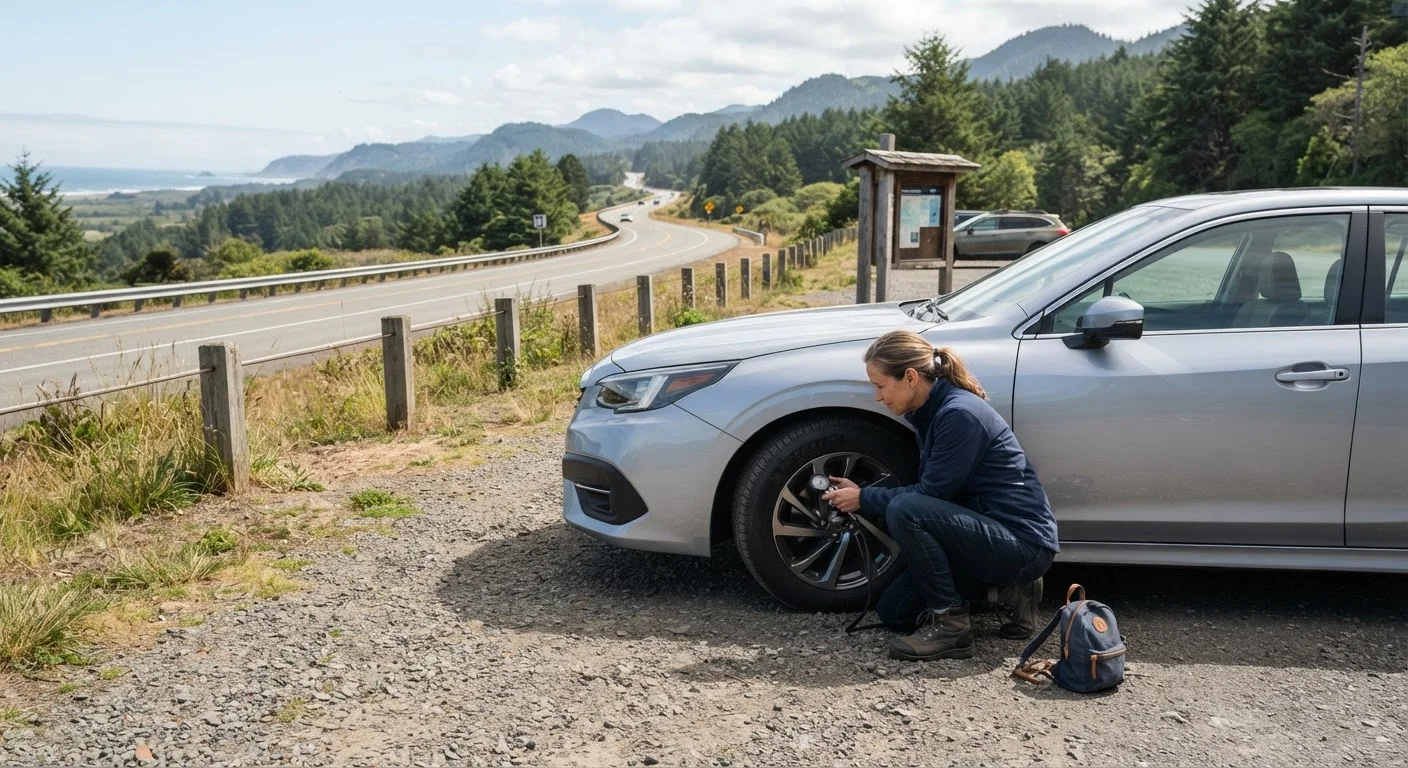
Photo credit: TopInfoTabs.com | Easy Insights For Inspiration
In this article
Tyres, lights, mirrors, fuel, and fatigue — a structured checklist to run through before setting off on any extended drive.
Key Takeaways
- Tyre condition and pressure are among the most critical checks before any long drive.
- Fluid levels, lights, and brakes should be verified - not assumed - before departure.
- Driver fatigue is a genuine safety hazard; rest and planning matter as much as mechanical checks.
- A quick walkaround inspection catches issues that routine maintenance might miss between services.
- Carrying basic emergency supplies adds a meaningful safety margin on extended trips.
Why Pre-Drive Checks Matter More on Long Trips
Short commutes are forgiving. If something minor is off - a slightly low tyre, a dim rear light - you'll likely get away with it. Long journeys are a different matter. Higher sustained speeds, unfamiliar roads, and hours of continuous driving amplify every small mechanical issue. A tyre that's marginally underinflated at 30 mph becomes a blowout risk at highway speeds. A windshield washer reservoir that's nearly empty is fine in dry weather and a genuine hazard in a sudden downpour.
This checklist is designed to be run the evening before or the morning of a long drive - not as you're pulling out of the driveway. Give yourself 15 to 30 minutes, work through each group systematically, and you'll set off with a clear picture of your vehicle's readiness. For a broader understanding of routine upkeep, see our guide to keeping a car running - it covers the fundamentals that underpin everything in this checklist.
Tyres
Fluids
Lights and Visibility
Brakes and Steering
Fuel and Range
Emergency Supplies and Documents
Tools and Supplies to Have on Hand
You don't need a full workshop to run these checks. The items below cover both the inspection itself and what you should carry with you on the road.
Tyre pressure gauge
Accurately measure tyre inflation so you can compare against your vehicle's specified PSI.
Tread depth gauge
Measure remaining tread depth on each tyre to confirm it's above the safe threshold.
Flashlight or work light
Illuminate tyre sidewalls, the engine bay, and underneath the vehicle during inspections in low-light conditions.
Owner's manual
Reference your vehicle's specific fluid types, capacities, and tyre pressure specifications.
Jumper cables or portable jump starter
Provide a means to restart a flat battery on the road without waiting for roadside assistance.
Reflective warning triangle or road flares
Alert other drivers if you need to stop on the shoulder due to a breakdown.
Don't Check Fluids on a Hot Engine
Oil and coolant readings can be inaccurate when the engine is at full operating temperature, and opening the coolant reservoir cap on a hot engine carries a real risk of burns from pressurised steam. Run your checks before starting the car, or wait at least 20 minutes after switching off the engine before opening the hood.
Fatigue, Planning, and the Human Factor
Mechanical readiness is only half the equation. Driver fatigue is consistently identified by road safety researchers as a major contributor to serious crashes, particularly on long motorway-style routes where monotony compounds tiredness. Before you leave, honestly assess how rested you are. If you've had a poor night's sleep, consider delaying departure or sharing driving duties.
Plan your route to include stops every two hours or so - not just for fuel, but to step out, move around, and reset your alertness. Avoid setting off in the early hours of the morning or late at night unless you're well-rested; these windows correspond to natural dips in human alertness. Our article on night driving hazards explores how darkness compounds these risks in more detail.
Fatigue Is Not Willpower-Proof
No amount of coffee, loud music, or open windows reliably counteracts serious drowsiness at the wheel. If you feel genuinely sleepy while driving, the only safe response is to pull off at a rest area and sleep - even a 20-minute nap is meaningfully restorative. Do not continue driving in the belief that you can push through it; impaired reaction times from fatigue are comparable to those from alcohol intoxication.
Once you're on the road, adapt your approach to the environment. Different road types - urban streets, rural lanes, dual carriageways - each carry distinct demands. Our piece on safe driving across different road types is a practical companion to this checklist once your journey is underway.

Author
Cars & Driving Editorial Team
Cars & Driving Editorial Team is the collective byline for our editorial team and contributor network. Articles published under this byline or an editorial pen name are researched, written, and reviewed according to our editorial standards for clarity, consistency, and independence before publication.
View all articles →