
Your Car's Warning Lights, Decoded
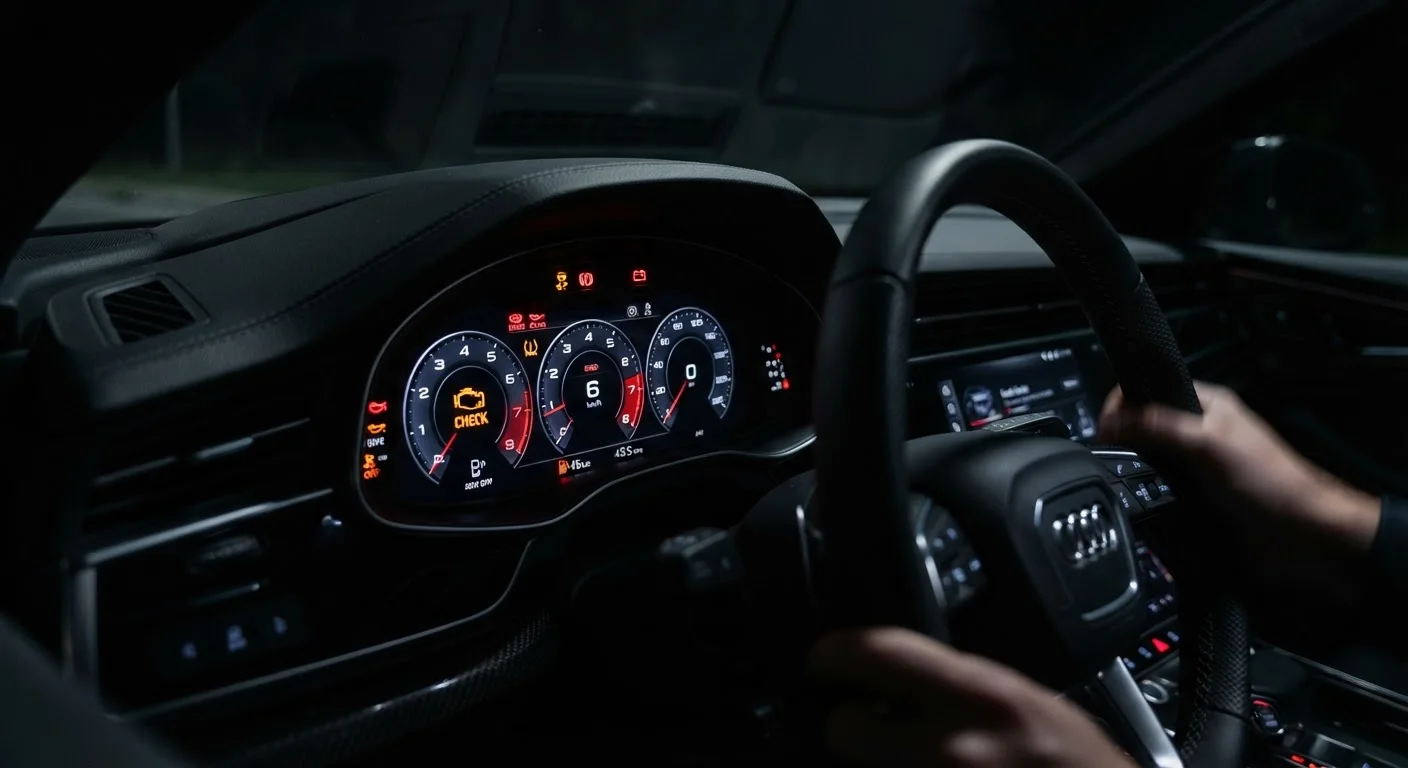
Photo credit: TopInfoTabs.com | Easy Insights For Inspiration
In this article
From the check engine light to TPMS alerts, learn what your dashboard warning lights actually mean and when to act.
Why Warning Lights Exist - and Why They Matter
Your vehicle's onboard diagnostics system continuously monitors dozens of sensors - from engine temperature to brake pressure. When something falls outside normal parameters, the system triggers a warning light on your instrument cluster. These lights aren't there to alarm you; they're your car's way of communicating a specific concern before it escalates into a costly or dangerous problem.
Ignoring a warning light is one of the most common - and preventable - mistakes everyday drivers make. Some lights indicate a minor issue you can address at your next service appointment. Others demand immediate attention. Knowing the difference is essential. Pair this knowledge with a solid maintenance routine by checking out the seasonal car maintenance checklist to stay ahead of problems before they trigger a light.
MIL (Malfunction Indicator Lamp)
The technical name for the check engine light. It illuminates when the vehicle's onboard diagnostic system detects a fault code in the engine or emissions systems.
TPMS
Tire Pressure Monitoring System. A sensor-based system that alerts drivers when one or more tires drop significantly below recommended inflation levels.
ABS
Anti-lock Braking System. An active safety system that prevents wheels from locking during hard braking, helping the driver maintain steering control.
OBD-II
On-Board Diagnostics, second generation. A standardized system in vehicles built after 1996 that allows diagnostic tools to read fault codes stored by the vehicle's computer.
Fault Code (DTC)
A Diagnostic Trouble Code stored by the vehicle's computer when a sensor reading falls outside normal range. Mechanics use a scan tool to read these codes and guide diagnosis.
The Most Common Warning Lights, Decoded
While symbols vary slightly between manufacturers, the following are among the most universally recognized dashboard indicators:
- Check Engine (MIL): The Malfunction Indicator Lamp is arguably the most misunderstood light. A steady amber light can indicate anything from a loose gas cap to a misfiring cylinder. A flashing check engine light, however, signals an active misfire that can damage your catalytic converter - reduce speed and seek service promptly.
- Battery: A red battery icon means the electrical charging system isn't functioning correctly. This could be the battery itself, the alternator, or a wiring fault. Don't ignore it - your car may not restart once switched off.
- Oil Pressure: A red oil can symbol is serious. Low oil pressure can cause rapid, severe engine damage. Pull over safely as soon as possible and check your oil level before driving further.
- Coolant Temperature: If this light turns red, your engine is overheating. Stop driving, let the engine cool, and check the coolant reservoir. Continuing to drive an overheating engine risks catastrophic damage.
- TPMS (Tire Pressure Monitoring System): An amber horseshoe-with-exclamation symbol means one or more tires are significantly under-inflated. Check pressures and inflate to the specification listed in your door jamb sticker, not the number on the tire sidewall.
- ABS: The Anti-lock Braking System warning doesn't mean your brakes have failed, but it does mean ABS won't activate in an emergency stop. Drive cautiously and get the system inspected. For more on what ABS does, see modern vehicle safety features explained.
- Brake System: If this red light appears while driving (not just at startup), it may indicate low brake fluid or a fault in the braking circuit. This is an immediate safety concern.
| Check engine light trigger | Over 1,400 possible fault codes (Society of Automotive Engineers OBD-II standard) |
| TPMS required in | All US passenger vehicles since 2008 (NHTSA TPMS mandate, effective September 2007) |
| Oil pressure light response | Pull over immediately; do not continue driving (General automotive engineering guidance) |
| Flashing check engine vs. steady | Flashing = active misfire; steady = stored fault (OBD-II diagnostic protocol) |
| Tire inflation spec location | Driver's door jamb sticker or owner's manual (NHTSA consumer guidance) |
Amber vs. Red: A Simple Triage Rule
A practical rule of thumb: red lights require prompt action, while amber lights signal monitor and schedule. Red indicators typically point to conditions that can cause immediate vehicle damage or compromise safety - overheating, low oil pressure, or a brake fault. Amber lights generally indicate issues that need attention soon but won't cause immediate harm if addressed within a reasonable timeframe.
When any unfamiliar light appears, consult your owner's manual first. Your manual is the most accurate source for your specific vehicle. If you're unsure how to interpret your service schedule or maintenance milestones, the guide on how to read a vehicle service schedule can help you build a realistic upkeep plan. Unusual sounds that accompany a warning light can also narrow down the cause - see noises your car makes and what they generally indicate for additional context.
When to Use an OBD-II Scanner
Inexpensive OBD-II scan tools are available at most auto parts stores and can read the specific fault codes behind a check engine light. This doesn't replace a professional diagnosis, but it gives you a meaningful starting point before visiting a mechanic. Many auto parts retailers will also read codes for free at the counter. Knowing your fault code helps you have a more informed conversation with a technician.
This article provides general vehicle information for educational purposes. Always consult a qualified mechanic for diagnosis and repair of specific vehicle faults.

Author
Cars & Driving Editorial Team
Cars & Driving Editorial Team is the collective byline for our editorial team and contributor network. Articles published under this byline or an editorial pen name are researched, written, and reviewed according to our editorial standards for clarity, consistency, and independence before publication.
View all articles →