
Modern Vehicle Safety Features Explained
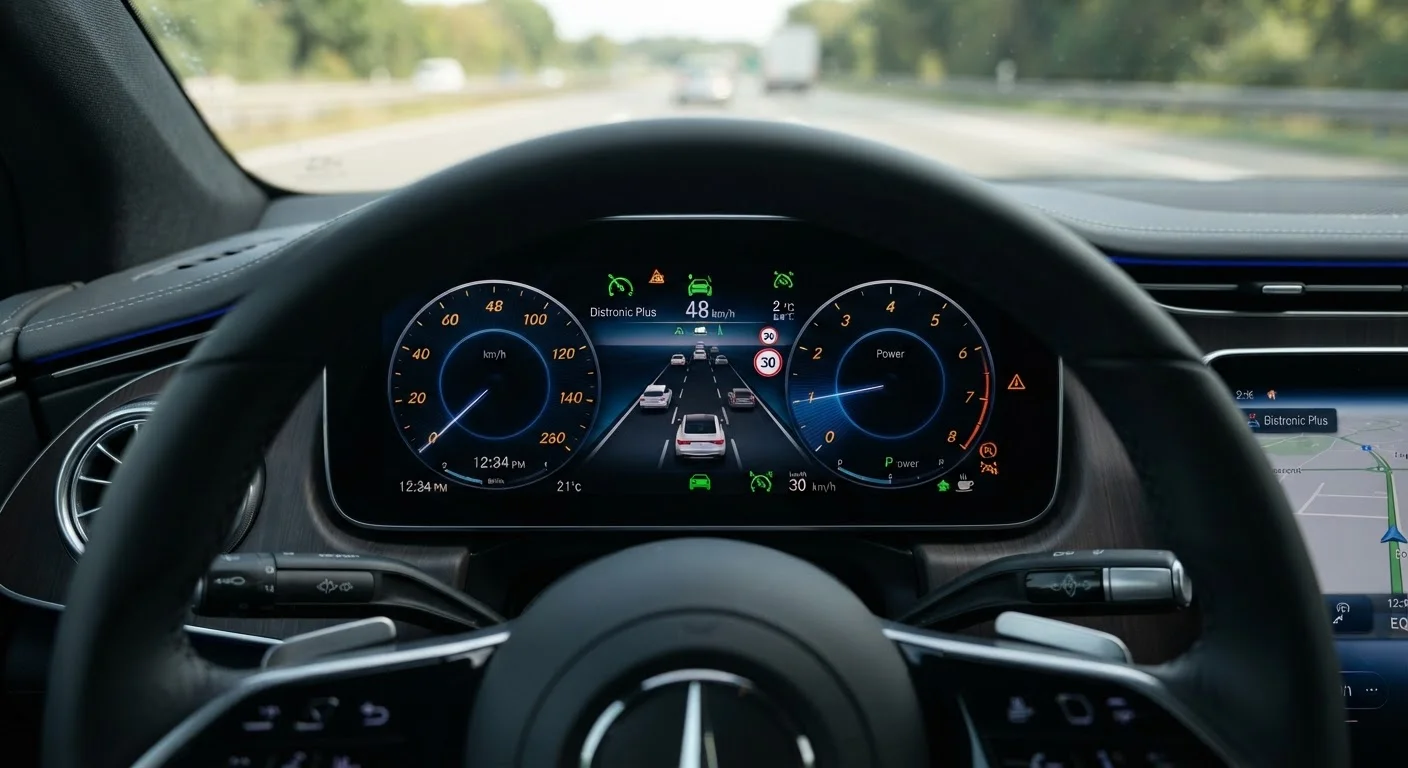
Photo credit: TopInfoTabs.com | Easy Insights For Inspiration
In this article
From ABS to lane-keep assist, this guide explains what today's active and passive safety systems do — and what they cannot do.
Active vs. Passive Safety: The Core Distinction
Vehicle safety technology falls into two broad categories. Passive systems - such as seatbelts, airbags, and crumple zones - reduce injury severity once a crash has already occurred. Active systems work continuously while you drive, using sensors, cameras, and software to detect hazards and intervene before a collision happens. Modern vehicles typically combine both, and understanding the difference helps you appreciate what each system can and cannot do.
Neither category removes the need for attentive, skilled driving. Defensive driving remains the foundation - technology supports good judgment, it does not replace it.
| ESC Mandatory In New US Vehicles Since | 2012 (NHTSA Federal Motor Vehicle Safety Standard No. 126) |
| AEB Voluntary Commitment Deadline | 2023 (most major automakers) (NHTSA / IIHS voluntary industry commitment) |
| Passive Systems Include | Seatbelts, airbags, crumple zones |
| Active Systems Rely On | Cameras, radar, ultrasonic sensors, lidar |
| Sensor Performance Affected By | Rain, snow, ice, glare, dirt buildup |
Key Active Safety Systems Defined
The following systems appear across a wide range of current vehicles, though naming conventions and capability levels vary by manufacturer.
ABS (Anti-lock Braking System)
Prevents wheel lock-up during hard braking by rapidly modulating brake pressure at each wheel. This allows the driver to maintain steering control during an emergency stop rather than skidding in a straight line.
ESC (Electronic Stability Control)
Detects when the vehicle begins to skid or oversteer and automatically applies individual wheel brakes to bring the car back in line. Mandatory on all new US passenger vehicles since 2012.
AEB (Automatic Emergency Braking)
Uses radar, cameras, or lidar to detect an imminent forward collision and applies the brakes autonomously if the driver does not react in time. Some systems also detect pedestrians and cyclists.
Lane-Keep Assist (LKA)
Monitors lane markings via forward cameras and applies gentle steering corrections if the vehicle begins to drift without a turn signal activated. Distinct from Lane Departure Warning, which only alerts the driver.
Adaptive Cruise Control (ACC)
Extends conventional cruise control by using radar to maintain a set following distance from the vehicle ahead, automatically accelerating or decelerating within preset limits.
Blind-Spot Monitoring (BSM)
Uses rear-facing radar sensors to detect vehicles in the driver's blind zones and provides a visual or audible alert, typically when a turn signal is activated toward an occupied zone.
TPMS (Tire Pressure Monitoring System)
Continuously measures tire inflation pressure and alerts the driver when one or more tires falls significantly below the recommended level, helping prevent blowouts and handling loss.
Rear Cross-Traffic Alert
Warns the driver of approaching vehicles or pedestrians crossing behind the car while reversing, using radar sensors mounted at the rear bumper.
These systems work best when maintained correctly. If a dashboard warning light flags a sensor fault, address it promptly - see your car's warning lights decoded for guidance on what those alerts mean.
Conditions such as heavy rain, snow, or fog can also degrade sensor performance. Adjusting your driving in adverse weather remains important even when active safety systems are engaged.
What These Systems Cannot Do
Active safety features operate within defined limits. Cameras can lose accuracy in direct glare or heavy precipitation. Radar sensors can be disrupted by ice buildup on bumpers. Lane-keep assist relies on clearly marked road lines - on rural or deteriorating roads, those markings may be absent.
Equally important: most systems are designed to assist, not to drive autonomously. Automatic emergency braking, for example, may reduce collision speed rather than prevent impact entirely if closing speed is very high. Adaptive cruise control does not detect stopped vehicles equally well across all systems or speed ranges.
"Driver Assist" Does Not Mean Autonomous
Terms like "autopilot" or "driver assist" are marketing labels, not technical standards - their actual capability ranges widely. No currently available consumer vehicle is legally or technically classified as fully autonomous. Drivers remain legally responsible for vehicle control at all times, regardless of which systems are active.
Drivers should familiarise themselves with the specific capabilities and limitations described in their vehicle's owner manual - system behavior varies meaningfully across makes, model years, and trim levels. For a broader look at how road environments demand different skill sets, see safe driving across different road types.
Keeping Safety Systems in Good Working Order
Active safety technology is only as reliable as the hardware behind it. Cameras embedded in windshields can be affected by chips or delamination. Ultrasonic parking sensors clog with mud and ice. After any front-end collision - even a minor one - radar sensors and camera calibration should be professionally checked before relying on those systems again.
Unusual sounds from braking components can signal ABS or brake-system issues. If your vehicle starts making unfamiliar noises, understanding what those sounds may indicate is a practical first step before visiting a mechanic. Routine car maintenance also encompasses software updates - many manufacturers issue over-the-air or dealer-applied updates that refine sensor logic and system thresholds over time.
If you are evaluating a vehicle purchase with specific safety technology in mind, our car-buying guidance covers what factors to weigh during that process.

Author
Cars & Driving Editorial Team
Cars & Driving Editorial Team is the collective byline for our editorial team and contributor network. Articles published under this byline or an editorial pen name are researched, written, and reviewed according to our editorial standards for clarity, consistency, and independence before publication.
View all articles →