
Driving in Rain, Fog, and Snow: Adapting to Adverse Conditions
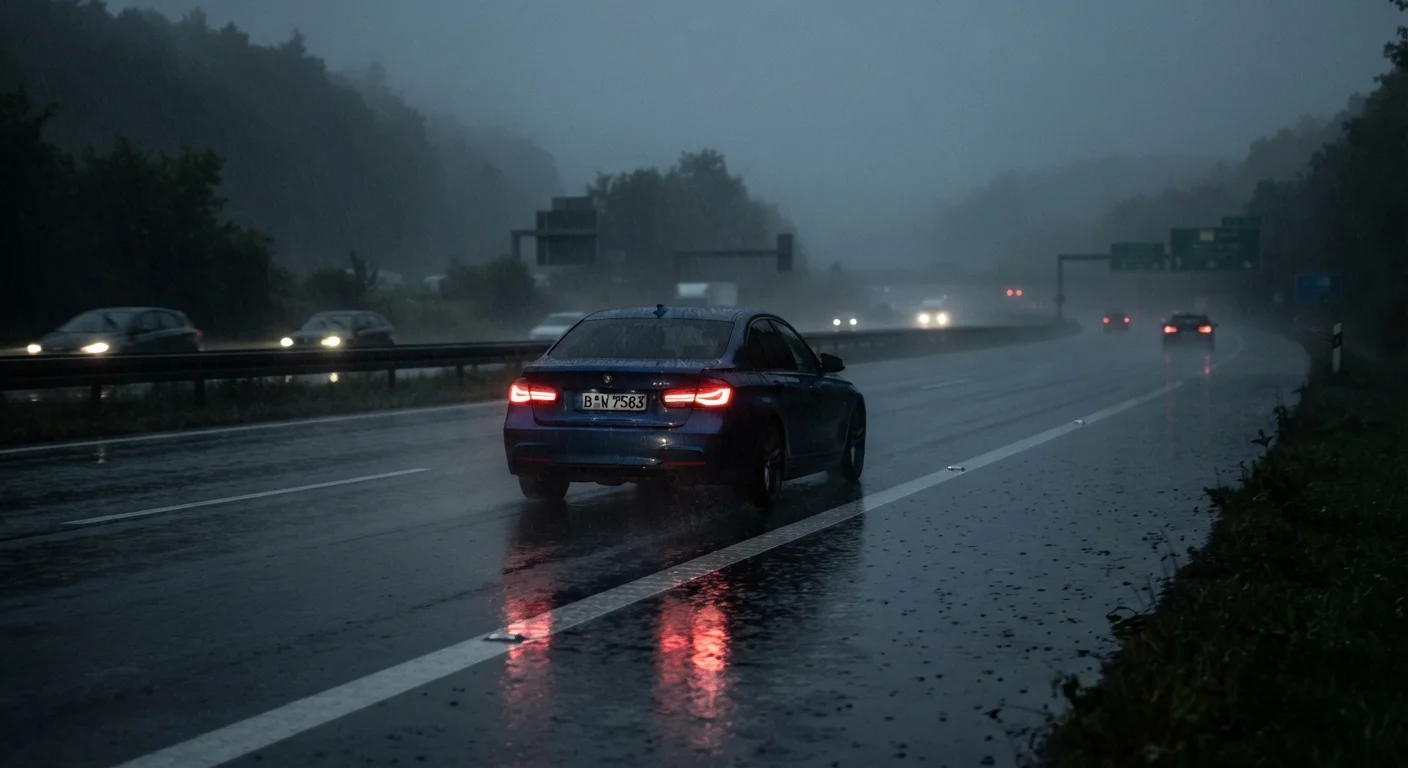
Photo credit: TopInfoTabs.com | Easy Insights For Inspiration
In this article
Learn how different weather conditions affect vehicle handling and visibility, and how to adjust your driving accordingly.
Key Takeaways
- Reducing speed is the single most effective adjustment in any adverse weather condition.
- Stopping distances increase dramatically on wet, icy, or snow-covered roads - sometimes by up to ten times.
- Fog lights should only be used in genuine low-visibility fog, not ordinary rain or darkness.
- Modern safety systems like ABS and ESC help but cannot overcome the physics of low-grip surfaces.
- Preparing your vehicle seasonally - tyres, wipers, fluids - is as important as in-the-moment driving adjustments.
Why Adverse Weather Demands a Different Approach
Rain, fog, and snow each alter two fundamental driving variables: visibility and grip. When either is compromised, the margin for error shrinks - and the consequences of misjudgement grow. Yet a significant proportion of weather-related crashes are preventable, not because conditions were survivable at normal speed, but because drivers failed to adapt their behaviour to what the road surface and visibility actually allowed.
Understanding why conditions change the physics of driving helps you make better decisions in the moment. Wet roads reduce the friction between your tyres and the tarmac. Snow and ice reduce it far more. Fog creates a perceptual distortion that makes judging speed and distance unreliable. Each condition requires a distinct set of adjustments - not just a vague sense that you should "be careful."
The habits covered in this guide build on general safe-driving principles. If you are unfamiliar with how following distance, lane discipline, and speed selection interact across different road environments, our guide to driving across different road types is a useful companion read. Similarly, common habits that raise crash risk documents why certain behaviours that feel normal in dry conditions become genuinely dangerous in adverse weather.
What you will need
Step-by-Step: Adjusting Your Driving for Weather
Winter or All-Season Tyres
Provide significantly improved grip in cold, wet, and snowy conditions compared to standard summer tyres.
Ice Scraper and De-icer Spray
Quickly clear ice and frost from windshields and windows before driving in freezing conditions.
Tyre Pressure Gauge
Tyre pressure drops in cold weather; checking it regularly helps maintain safe handling and braking.
Prepare your vehicle before setting out
Before driving in adverse conditions, take a few minutes to prepare. Clear all snow, ice, or condensation from every window - not just the driver's side. Check that your headlights, tail lights, and brake lights are working. Ensure your washer fluid reservoir is full and your wipers are in good condition. Refer to our seasonal car maintenance checklist for a full pre-season inspection routine.
Reduce your speed and increase following distance
Speed is the variable most within your control. In rain, your stopping distance increases significantly as water reduces tyre-to-road friction. On snow or ice, the increase is far more dramatic. Slow down progressively before you reach wet or icy sections - sudden braking on slippery roads is a primary cause of loss of control. Leave a much larger gap to the vehicle ahead than you normally would.
Use your lights correctly for the conditions
In rain or reduced daylight, switch on your headlights and tail lights so other road users can see you - even if visibility seems adequate from the driver's seat. In genuine fog (typically defined as visibility below 100 metres), activate your rear fog light. Front fog lights, if fitted, can help illuminate the road edge. Turn fog lights off when visibility improves: they can dazzle other drivers and reduce your own depth perception.
Steer, brake, and accelerate smoothly
On slippery surfaces, abrupt inputs - sharp steering, hard braking, or rapid acceleration - are the fastest route to losing traction. Apply all controls gently and progressively. When braking on a modern vehicle with ABS (Anti-lock Braking System), apply firm, steady pressure and let the system work - do not pump the pedal. When cornering in rain or snow, brake before the bend, not during it.
Adjust for fog specifically
Fog creates a unique hazard because it distorts your perception of speed and distance. You may feel you are moving more slowly than you are. Slow down, increase your following distance substantially, and avoid the temptation to follow the tail lights of the vehicle ahead too closely - if they brake suddenly, you may have no time to react. Pull over safely if fog becomes too dense to drive through without risk.
Manage skids and loss of traction calmly
If your vehicle begins to skid, the instinct to brake hard or overcorrect the steering often makes things worse. Ease off the accelerator, look where you want the vehicle to go, and steer smoothly in that direction. Electronic Stability Control (ESC) - standard on most vehicles made after 2012 in the US - will apply selective braking to individual wheels to help correct oversteer or understeer. Understand what your vehicle's safety systems can and cannot do; our guide to modern vehicle safety features explains each system in plain terms.
Use the Two-Second Rule - and Double It
In dry conditions, a two-second following gap is a commonly recommended minimum. In rain, extend that to at least four seconds; on snow or ice, a gap of eight to ten seconds is more appropriate. This gives you the stopping distance you actually need, not the distance you'd need on a dry road.
Black Ice: The Hidden Winter Hazard
Black ice forms when moisture freezes on road surfaces in a near-invisible thin layer, most commonly on bridges, overpasses, and shaded stretches. There is little visual warning before you lose traction. If your vehicle begins to slide on ice, ease off the accelerator gently and steer in the direction you want to travel - do not brake sharply. If conditions are severe enough to make driving genuinely unsafe, the safest option is to delay your journey.
Don't Rely on All-Wheel Drive Alone
AWD and 4WD systems improve traction when accelerating but do not significantly reduce stopping distances on slippery surfaces. Drivers in AWD vehicles sometimes overestimate their safety margin in snow or rain. Braking and cornering performance still depends on tyre grip, which deteriorates on wet or icy roads regardless of drivetrain type.
Adverse weather driving is also distinct from the challenges covered in our article on night driving and how darkness changes the road - though both require a recalibrated approach to visibility and risk. Understanding the differences helps you prepare for each scenario appropriately.
Finally, remember that vehicle readiness underpins everything. Check your tyre tread depth, wiper condition, and fluid levels as part of a regular routine - not just when a storm is forecast. The car maintenance hub is a good starting point for building that habit.

Author
Cars & Driving Editorial Team
Cars & Driving Editorial Team is the collective byline for our editorial team and contributor network. Articles published under this byline or an editorial pen name are researched, written, and reviewed according to our editorial standards for clarity, consistency, and independence before publication.
View all articles →