
Style Archetypes: A Reference Guide to Common Aesthetic Frameworks
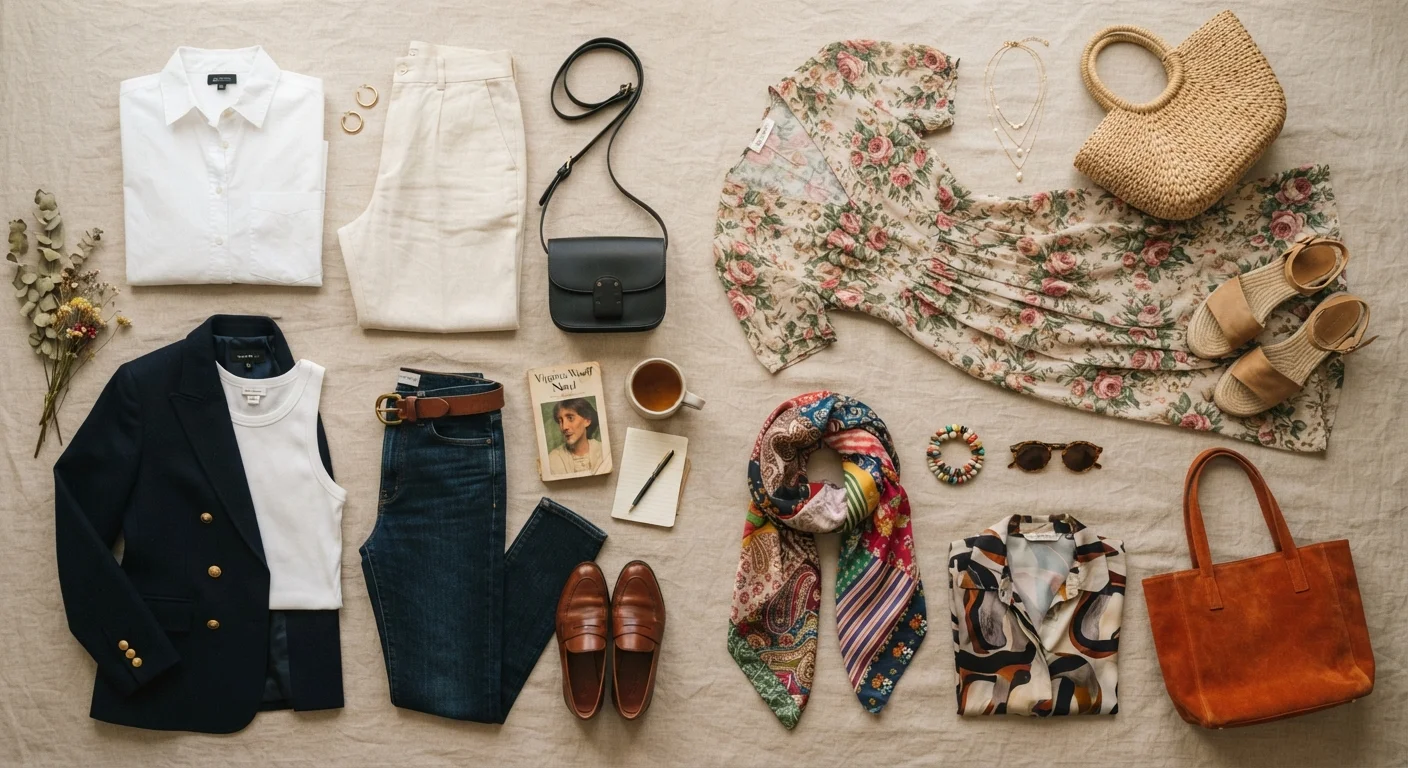
Photo credit: TopInfoTabs.com | Easy Insights For Inspiration
In this article
From classic and minimalist to romantic and eclectic — a concise reference to recognised style archetypes and what defines each one.
What Is a Style Archetype?
A style archetype is a broadly recognised aesthetic framework - a cluster of visual, tonal, and cultural cues that tend to appear together consistently across personal wardrobes. Think of archetypes as a shared vocabulary, not a rigid uniform. They help you articulate what you're drawn to and why, which is far more useful than chasing whatever's trending this season.
Archetypes aren't mutually exclusive. Most people resonate with two or three at once, and that overlap is exactly where individual style lives. If you're just beginning to map out your personal aesthetic, this foundational guide walks through how to start that process from the ground up.
| Number of widely recognised archetypes | Roughly 8-12 core frameworks (Fashion education curricula and style theory literature vary; 8 are covered in this guide.) |
| Typical archetype overlap | Most people identify with 2-3 (General observation from personal styling practice.) |
| Primary function | Vocabulary for self-expression, not a personality label |
| Relationship to trends | Archetypes persist across trend cycles (Distinct from microtrends, which typically have a 1-3 season lifespan.) |
The Major Style Archetypes at a Glance
Below are the most widely referenced style archetypes in contemporary fashion discourse, along with the defining traits of each.
Classic
Anchored in timeless tailoring, neutral palettes, and structured silhouettes. Classic dressers prioritise longevity over novelty - think blazers, straight-leg trousers, and understated accessories that read polished across decades.
Minimalist
Defined by restraint: limited colour palettes (often monochromatic or neutral), clean lines, and deliberate editing of the wardrobe down to essentials. The emphasis is on quality, proportion, and negative space rather than ornamentation.
Romantic
Characterised by softness and femininity in silhouette and detail - flowing fabrics, floral prints, lace, ruffle trims, and gentle layering. Romantic dressing tends toward warmth and sentimentality in its visual mood.
Eclectic / Maximalist
Celebrates mixing - eras, patterns, textures, and cultural references layered together intentionally. The goal isn't chaos but a distinctive personal logic that makes bold combinations feel cohesive.
Bohemian
Rooted in artistic, free-spirited dressing with influences from folk, travel, and craft traditions. Key elements include natural fabrics, earthy tones, handmade or artisanal details, and relaxed silhouettes.
Streetwear / Urban
Emerging from skateboarding, hip-hop, and youth subculture, this archetype blends sportswear, graphic elements, and casual silhouettes. Comfort and cultural reference are central, and it evolves rapidly in dialogue with music and art.
Preppy / Collegiate
Draws from East Coast American and British academic dress traditions - polo shirts, chinos, cable knits, loafers, and a palette of navy, hunter green, and cream. Neat, polished, and subtly status-conscious.
Androgynous
Deliberately blurs conventional gender lines in silhouette, styling, and garment choice. Draws from both menswear and womenswear traditions without prioritising either, creating a fluid, often editorial visual identity.
These definitions aren't exhaustive - they're entry points. Your version of "romantic" or "minimalist" will be shaped by your culture, body, lifestyle, and personal history. A wardrobe audit can reveal which archetype already shows up most in the pieces you actually reach for.
Mixing Archetypes: The Reality of Personal Style
Real personal style rarely fits neatly inside one archetype. A person might dress with the clean lines of a minimalist during the week while gravitating toward romantic details - lace, florals, draped silhouettes - on weekends. Neither identity cancels the other out.
The key question isn't "which archetype am I?" but rather: which elements from each archetype feel genuinely like me? That distinction matters because archetypes borrowed wholesale from trend cycles tend not to last. Understanding what makes an aesthetic durable versus seasonal helps you invest more intentionally in what you wear.
2-3
Archetypes most people identify with simultaneously
Style practitioners broadly observe that personal aesthetics are almost always hybrid rather than singular.
1-3 seasons
Typical lifespan of a microtrend
In contrast, archetype-rooted aesthetics often persist for years or decades within a person's wardrobe.
For a deeper look at how people build truly distinctive looks beyond trend-scrolling, see these overlooked style-development habits.
Using This Reference in Practice
Treat this guide as a lookup tool, not a personality quiz. When you're editing your wardrobe, planning a purchase, or trying to describe your aesthetic to someone else, these archetype labels give you a useful shorthand. They're equally helpful when using mood boards as a style exploration tool - knowing your archetype helps you filter inspiration rather than absorb everything indiscriminately.
Once you have a clearer sense of your aesthetic, the next practical challenge is consistency across contexts. Keeping your style thread intact across work, weekends, and formal occasions is its own skill - and one worth developing deliberately.
Archetypes Are Tools, Not Rules
No style archetype carries a dress code you're obligated to follow. These frameworks exist to give you clearer language for your own preferences - they're descriptive, not prescriptive. If a label doesn't fit, discard it. Your wardrobe should reflect your actual life, not a theoretical aesthetic category.

Author
Style & Beauty Editorial Team
Style & Beauty Editorial Team is the collective byline for our editorial team and contributor network. Articles published under this byline or an editorial pen name are researched, written, and reviewed according to our editorial standards for clarity, consistency, and independence before publication.
View all articles →