
Secured vs. Unsecured Debt: Key Differences Every Borrower Should Know
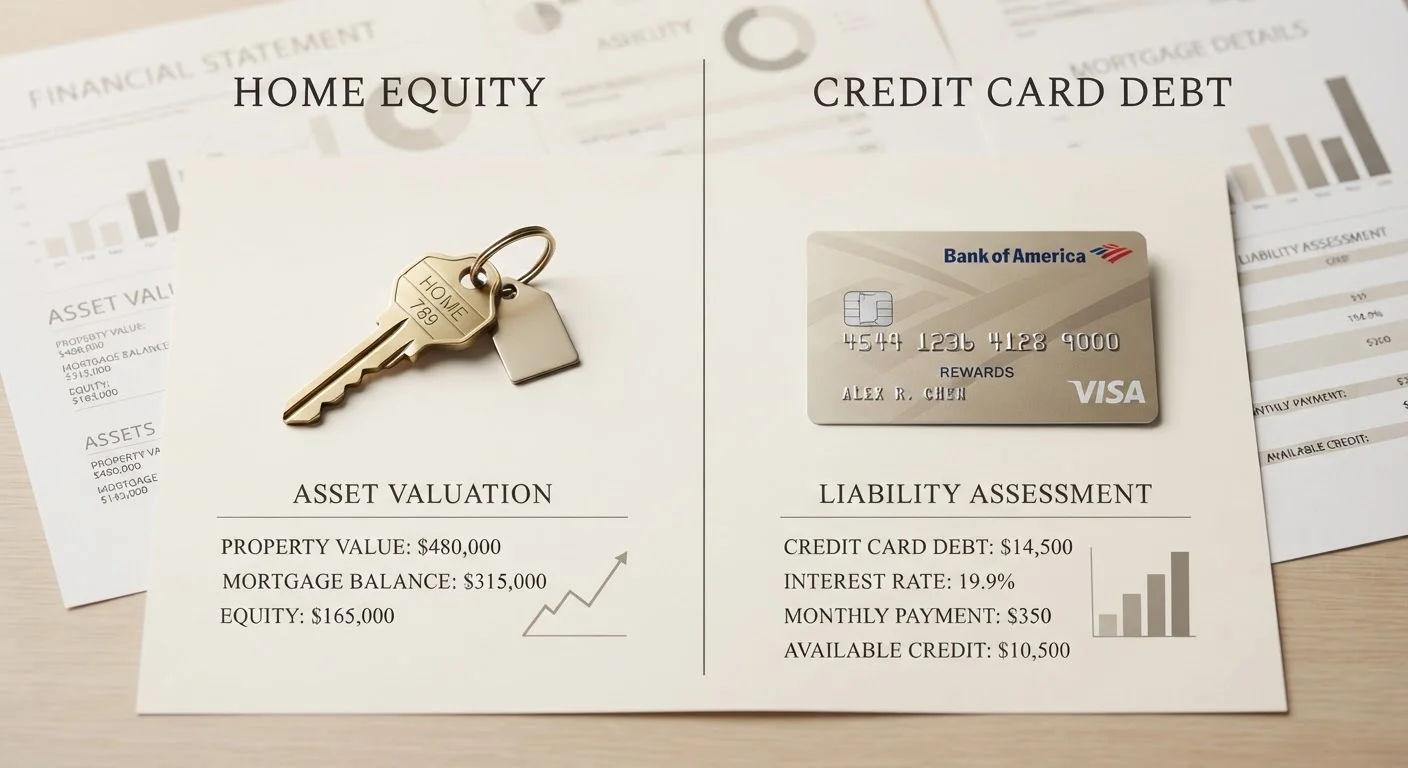
Photo credit: TopInfoTabs.com | Easy Insights For Inspiration
In this article
Learn how secured and unsecured debt differ in risk, lender rights, and what happens if repayment becomes difficult.
Key Takeaways
- Secured debt is backed by collateral a lender can seize if you default; unsecured debt is not.
- Because unsecured debt carries more lender risk, it typically comes with higher interest rates.
- Defaulting on secured debt can mean losing your home, car, or other pledged asset.
- Both debt types affect your credit score, but the consequences of default differ significantly.
- Understanding which type of debt you carry helps you prioritize repayment and manage risk.
What Makes Debt 'Secured' or 'Unsecured'?
At its core, the distinction between secured and unsecured debt comes down to one concept: collateral. Collateral is an asset - such as a home, vehicle, or savings deposit - that you pledge to a lender as security for a loan. If you stop making payments, the lender has a legal right to claim that asset to recover what they are owed.
Secured debt is any borrowing arrangement where collateral is required. Common examples include mortgages (secured by the home), auto loans (secured by the vehicle), and some personal loans (secured by a savings account or other asset).
Unsecured debt carries no such pledge. Lenders extend credit based on your creditworthiness - typically assessed through your credit score, income, and debt-to-income ratio. Credit cards, student loans, medical bills, and standard personal loans are the most familiar forms of unsecured debt.
This structural difference shapes everything else: the interest rate you're offered, what happens if you default, and how much risk each party in the loan is taking on. Part of maintaining strong credit health, covered in depth in our comprehensive debt and credit guide, is understanding which type of debt you hold and why it matters.
Side-by-Side: How They Compare
The table below illustrates the key structural differences between secured and unsecured debt across criteria that matter most to everyday borrowers.
| Criterion | Secured Debt | Unsecured Debt |
|---|---|---|
| Collateral required | Yes - asset pledged | No - based on creditworthiness |
| Typical interest rates | Generally lower | Generally higher |
| Common examples | Mortgages, auto loans | Credit cards, personal loans, student loans |
| Lender recourse on default | Repossession or foreclosure | Collections, judgments, wage garnishment |
| Loan amounts | Often larger | Often smaller to mid-range |
| Impact on credit score | Yes - significant | Yes - significant |
| Asset at direct risk | Yes | Not directly |
One element not captured in a table is the psychological weight of each debt type. Secured debt ties a tangible asset to your obligation - that reality can sharpen repayment focus but also increase stress if finances tighten. Unsecured debt may feel less immediate, but accumulating high-interest balances can quickly become difficult to reverse.
What Happens When Repayment Becomes Difficult
The consequences of falling behind differ meaningfully depending on which type of debt is involved.
With secured debt, a lender's primary recourse is repossession or foreclosure. Miss enough mortgage payments, and the lender can begin foreclosure proceedings on your home. Fall behind on an auto loan, and the vehicle may be repossessed - sometimes with very little notice. The lender recovers value through the asset itself.
With unsecured debt, the lender has no asset to claim directly. Instead, they may report the delinquency to credit bureaus, send the account to collections, or pursue a court judgment against you. A judgment can, in some states, lead to wage garnishment or a lien placed on property - so unsecured debt is not without serious consequences.
~35%
FICO score weight from payment history
According to FICO, payment history is the single largest factor in a credit score - making on-time payments critical regardless of debt type.
60-90 days
Typical delinquency threshold before serious consequences
Most lenders begin formal collection or default proceedings after 60-90 days of missed payments, though timelines vary by lender and loan type.
In either case, missed payments damage your credit score and make future borrowing more expensive or difficult. If you notice the early signs of strain, our article on warning signs your debt is becoming unmanageable can help you identify the moment to act before options narrow.
This article is for general informational and educational purposes only and does not constitute personalised financial, legal, or credit advice. Consult a qualified financial professional for guidance specific to your situation.
Prioritising Repayment and Managing Both Types Wisely
Most borrowers carry a mix of secured and unsecured debt simultaneously. A sound repayment approach accounts for the distinct risks each carries.
Generally, secured debts tied to essential assets - your home or primary vehicle - warrant high prioritisation, because missing payments puts those assets directly at risk. High-interest unsecured debt, such as credit card balances, warrants urgency for a different reason: the cost compounds quickly and can snowball if only minimum payments are made.
If managing multiple debt types feels overwhelming, it may be worth exploring whether debt consolidation could simplify your repayment - though that strategy carries its own trade-offs worth understanding before proceeding.
Over the long term, consistent habits matter more than any single strategy. Our guide on managing debt responsibly over time outlines the practical behaviours that help people stay in control across different life stages - from building an emergency buffer to knowing when to seek professional guidance.
Not All Debt Categories Are Rigid
Some debt products blur the line between secured and unsecured. A secured credit card, for example, requires a cash deposit as collateral but functions like a standard credit card. Home equity lines of credit (HELOCs) are secured by your home but used similarly to revolving credit. Always read the terms of any credit agreement carefully to understand what, if anything, you are pledging as security.

Author
Money & Finance Editorial Team
Money & Finance Editorial Team is the collective byline for our editorial team and contributor network. Articles published under this byline or an editorial pen name are researched, written, and reviewed according to our editorial standards for clarity, consistency, and independence before publication.
View all articles →