
Before Your First Training Session: A Preparation Checklist for Pet Owners
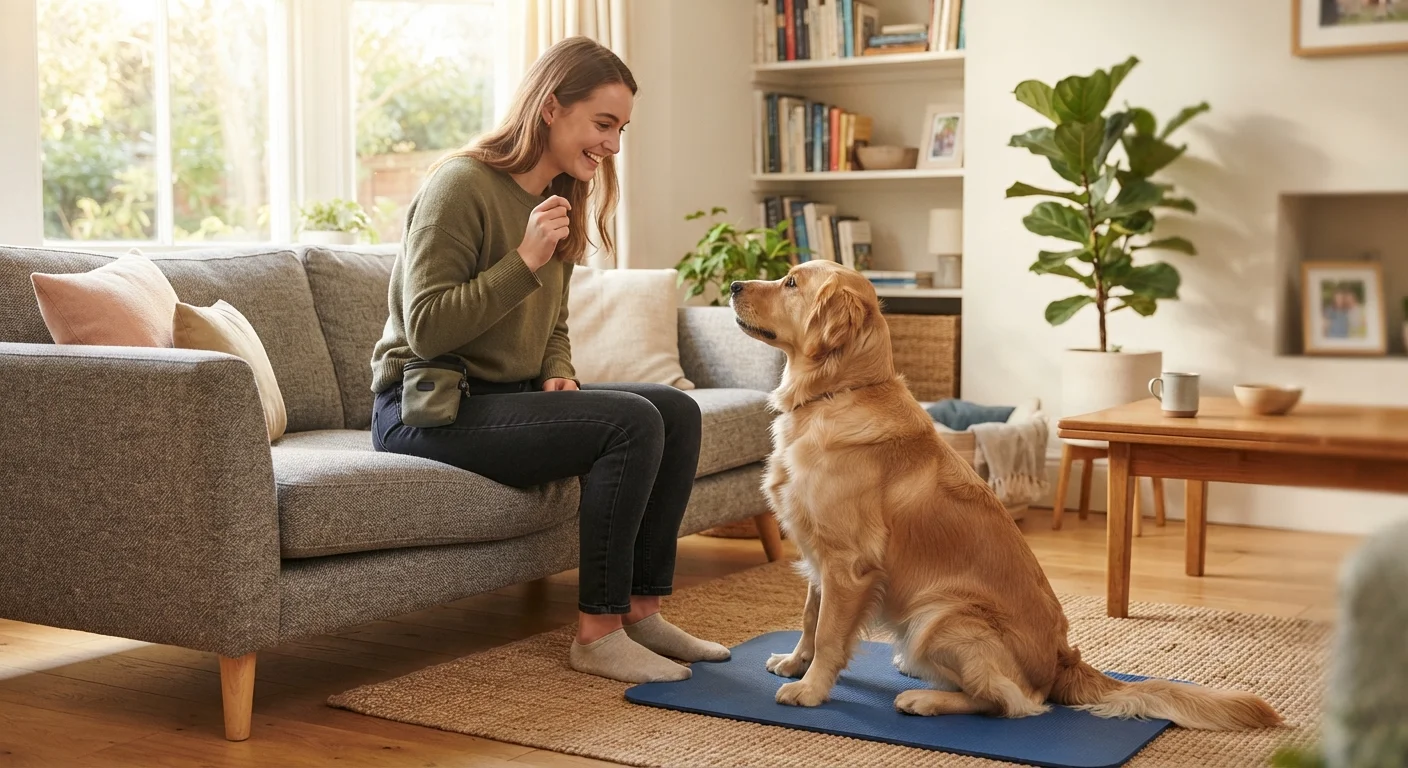
Photo credit: TopInfoTabs.com | Easy Insights For Inspiration
In this article
Set yourself and your pet up for success. Walk through everything to have in place before you begin formal training.
Key Takeaways
- Choose a quiet, distraction-free space before any training begins.
- High-value treats that your pet genuinely loves are essential, not optional.
- Sessions should stay short - 5 to 10 minutes is enough for most pets.
- Your pet's physical health and stress level directly affect how well they learn.
- Consistency in cues and rewards matters more than any single technique.
Why Preparation Makes or Breaks Your First Session
Most first training sessions don't fail because of the wrong technique - they fail because of avoidable setup mistakes. A dog that hasn't been exercised arrives too wound up to focus. A cat trained right before mealtime is motivated by hunger, not by you. A noisy environment fragments attention before a single cue is given.
Preparation isn't about being overly rigid. It's about removing friction so your pet has the best possible chance to succeed and associate training with something positive. Whether you're working with a new puppy, a rescue dog, or an adult cat, the fundamentals below apply broadly. For a well-rounded picture of your pet's day-to-day wellness - including how physical health ties into learning - see our guide on first-time pet owner health foundations.
Environment Setup
Treats and Rewards
Your Pet's Readiness
Your Own Preparation
Safety and Health Basics
Tools and Supplies to Have Ready
You don't need a lot of equipment to train effectively, but having the right items on hand before you start prevents mid-session interruptions that break momentum.
Treat pouch or small bowl
Keeps high-value treats within immediate reach so reward delivery is fast and timing stays accurate.
Training mat or non-slip rug
Gives your pet a defined, stable workspace and helps establish a consistent spatial cue for training time.
Clicker or marker word
Provides a precise, consistent signal that marks the exact moment your pet performs the desired behavior.
Leash and well-fitted collar or harness
Essential for safety and directional guidance during initial sessions, especially with dogs working on position behaviors.
Timer (phone or kitchen timer)
Helps you keep sessions to 5-10 minutes, preventing mental fatigue in both you and your pet.
Avoid Training Through Stress or Fatigue
A pet that is visibly anxious, overstimulated, or unwell cannot absorb new information effectively. Pushing through these signals risks forming negative associations with training itself. If your pet is showing stress cues - yawning excessively, refusing treats they normally love, or shutting down - end the session calmly and try again another time.
Setting Realistic Expectations for Session One
First sessions are rarely dramatic breakthroughs. They are, more accurately, your pet's introduction to the idea that paying attention to you has reliable, pleasant consequences. One clear, consistent cue repeated a handful of times with good timing is a genuinely productive session.
Keep early goals small: a single behavior, a handful of repetitions, and a calm ending while your pet is still engaged. End on a success - even a tiny one. Stopping while your pet is motivated maintains their interest for next time.
Good grooming habits and calm handling also play a role in how comfortable a pet is with close human interaction during training. Our home grooming guide for first-time owners covers how to build that trust gradually. And if you notice anything unusual about your pet's behavior or health that might be affecting their focus, our vet appointment checklist can help you track and communicate those observations clearly.
Never Use Punishment as a Training Tool
Aversive methods - including leash corrections, yelling, or physical intimidation - are not recommended by mainstream animal behavior science and can cause lasting harm to your pet's trust in you. Reward-based training is not only more humane; it consistently produces more reliable and durable results. If you're unsure which approach a trainer uses, ask directly about their methods before committing to a program.

Author
Pets & Animals Editorial Team
Pets & Animals Editorial Team is the collective byline for our editorial team and contributor network. Articles published under this byline or an editorial pen name are researched, written, and reviewed according to our editorial standards for clarity, consistency, and independence before publication.
View all articles →