
Separation Anxiety in Dogs: What It Is and What Actually Helps
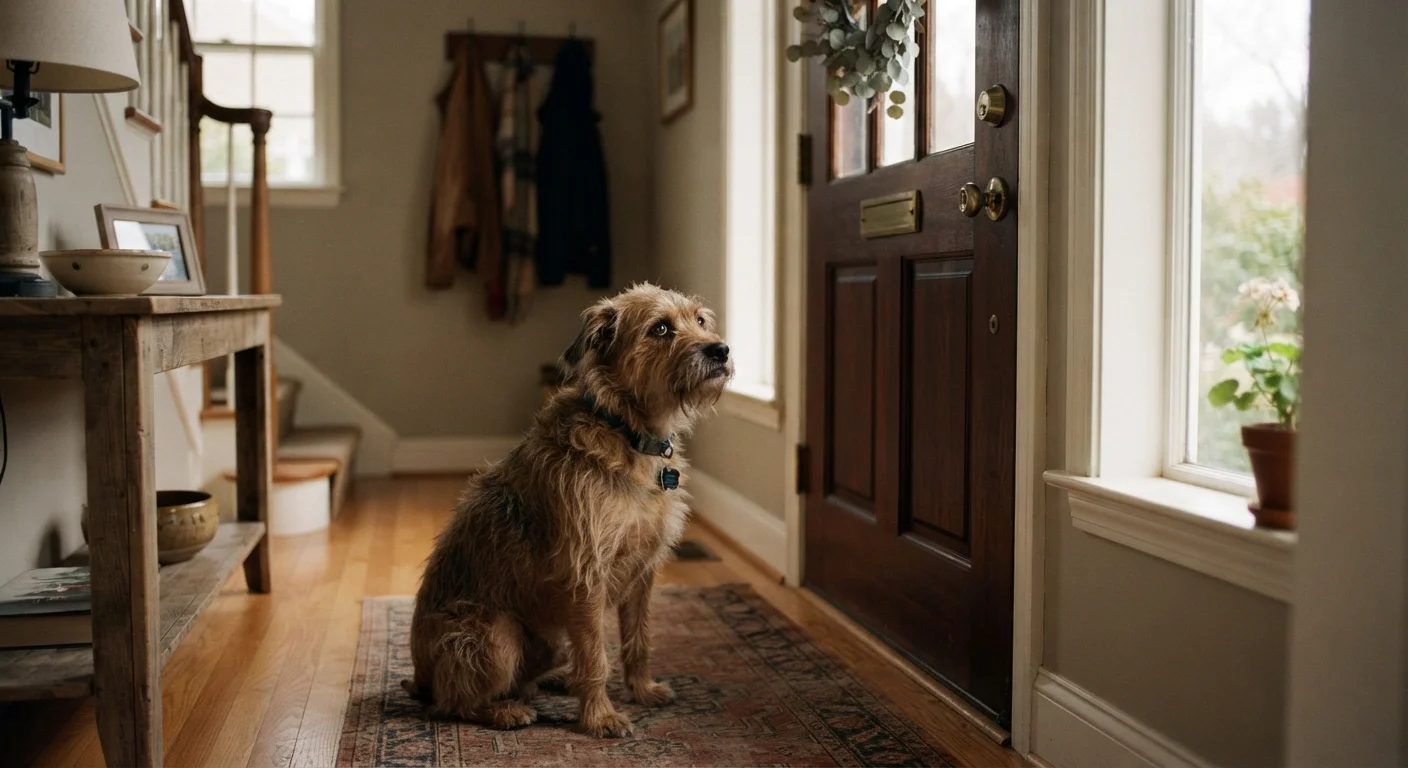
Photo credit: TopInfoTabs.com | Easy Insights For Inspiration
In this article
Separation anxiety is a real behavioral condition. Learn how it develops, how it differs from boredom, and what support looks like.
Key Takeaways
- Separation anxiety is a real behavioral condition, not a sign of a badly behaved or spiteful dog.
- It differs meaningfully from boredom - the trigger is specifically the absence of an attachment figure.
- Common signs include destructive behavior, excessive barking, and accidents that occur only when the dog is alone.
- Graduated desensitization - slowly increasing alone time - is the most evidence-supported training approach.
- Severe cases often benefit from professional guidance from a certified behaviorist or veterinarian.
What Separation Anxiety Actually Is
Separation anxiety is a genuine emotional and behavioral condition - not a personality flaw, not a training failure, and not a dog being spiteful. When a dog develops a strong attachment to one or more people, their absence can trigger a stress response that the dog has little ability to self-regulate. This isn't the dog "acting out." It's a dog in distress.
The condition is distinct from general mischief or boredom. A bored dog may chew furniture or raid the trash at any point in the day. A dog with separation anxiety directs that behavior specifically to the period when they're left alone - and often begins showing signs of distress even before the owner departs, reacting to cues like keys being picked up or shoes being put on.
Understanding this distinction matters because the interventions are different. You can address boredom with enrichment and exercise. Separation anxiety requires a more systematic approach that reshapes the dog's emotional response to being alone. See our guide to overlooked signs of mental distress in pets for a broader look at how anxiety and emotional suffering can show up in animals.
Recognizing the Signs
The behavioral indicators of separation anxiety tend to cluster around departures and absences. Common signs include:
- Destructive behavior - particularly near exits like doors and windows, which suggests escape-seeking rather than random chewing
- Excessive vocalization - prolonged barking, howling, or whining that starts when the owner leaves
- House soiling - accidents from a housetrained dog that occur only during absences
- Pacing, trembling, or repetitive movement - signs of physiological arousal
- Refusal to eat - some anxious dogs won't touch food or treats left out while alone
One of the most reliable diagnostic tools available to owners is video. Recording your dog during an absence - even for 20 to 30 minutes - can reveal whether distress is occurring and how quickly it escalates after you leave.
~17%
Dogs estimated to show separation-related behaviors
Research published in veterinary behavioral journals suggests roughly 13-17% of the general dog population displays some form of separation-related distress, though estimates vary across studies.
Top 3
Reason dogs are surrendered to shelters
Behavioral issues including separation anxiety are consistently cited among the leading reasons owners relinquish dogs, according to shelter intake surveys across the US.
What Actually Helps: The Training Approach That Works
The most evidence-supported method for treating separation anxiety is graduated desensitization - a systematic process of exposing the dog to very brief separations and slowly building duration over time. The goal is to keep the dog consistently below their anxiety threshold, so each absence becomes a neutral or positive experience rather than a distressing one.
This process typically starts small. For some dogs, that means leaving the room for five seconds before returning calmly. Progress is only made when the dog is comfortable at each step - rushing the timeline usually sets training back rather than advancing it.
Start Smaller Than You Think Necessary
Many owners begin desensitization at a duration that's already too long for their dog's current comfort level. If your dog shows any distress during a practice absence, the step was too big. Return to a shorter duration where they remain calm, and build from there. Consistent success at small increments is more effective than occasional success at large ones.
Departure cues - the rituals that signal you're about to leave - are often conditioned triggers for anxiety. Part of desensitization involves repeatedly performing those cues (picking up keys, putting on a coat) without actually leaving, so they lose their predictive power.
For moderate to severe cases, working with a certified applied animal behaviorist or a veterinary behaviorist is strongly recommended. These professionals can design an individualized plan and, where clinically appropriate, coordinate with a veterinarian about whether behavioral medication could support the training process. Medication, when used, is intended to reduce baseline anxiety enough to make learning possible - not to replace behavioral work.
How Separation Anxiety Develops
There is no single cause. Separation anxiety can emerge after a significant life change - a move, a change in work schedule, the loss of a family member or companion animal, or rehoming. Some dogs appear predisposed to it by temperament, while others develop it following a period of unusually high owner contact (such as an extended period of working from home).
Shelter dogs and those with unknown histories are not automatically more prone to it than dogs raised from puppyhood - the condition appears across all backgrounds and breeds. That said, dogs who have experienced repeated rehoming or prolonged isolation may have a higher baseline vulnerability to attachment-related stress.
The takeaway is that separation anxiety is not caused by owners being "too nice" or too affectionate with their dogs. Warmth and attention do not cause the condition; rather, a sudden or significant shift in the expected pattern of contact tends to be the more relevant factor.
This article is for general informational and educational purposes only. It is not a substitute for professional veterinary or behavioral advice. If your dog is showing signs of significant distress, consult a licensed veterinarian or certified animal behaviorist for guidance tailored to your pet's individual needs.
Frequently Asked Questions

Author
Pets & Animals Editorial Team
Pets & Animals Editorial Team is the collective byline for our editorial team and contributor network. Articles published under this byline or an editorial pen name are researched, written, and reviewed according to our editorial standards for clarity, consistency, and independence before publication.
View all articles →