
The Real Reasons Your Dog Pulls on the Leash-and How to Address Them
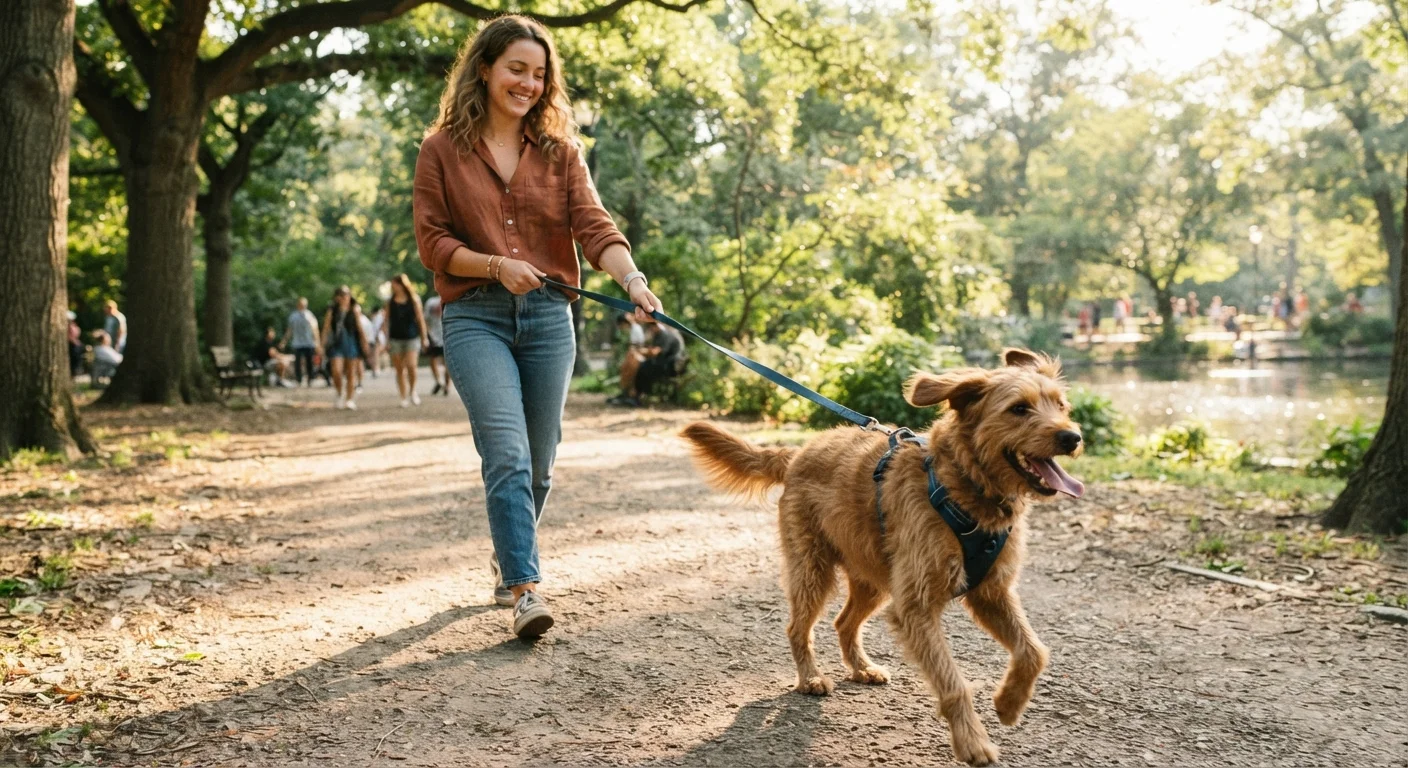
Photo credit: TopInfoTabs.com | Easy Insights For Inspiration
In this article
Leash pulling is rarely about defiance. Understand the instincts behind it and the techniques that actually work.
Key Takeaways
- Leash pulling is driven by natural instinct and excitement, not disobedience or dominance.
- Inadvertently rewarding pulling by moving forward is one of the most common owner mistakes.
- Consistency in technique and timing is more effective than gear changes or physical corrections.
- Understanding what motivates your dog makes training faster and less stressful for both of you.
Why Dogs Pull - The Instinct Behind the Behavior
Before addressing mistakes, it helps to understand what's actually happening when your dog strains against the leash. Dogs don't pull because they're trying to dominate you or show disrespect. They pull because the world outside is genuinely exciting - filled with scents, sights, and movement that trigger deeply embedded exploratory instincts. Walking at a human pace, in a straight line, simply doesn't match how a dog naturally wants to move.
Add to that the fact that pulling has almost always worked for them in the past: the dog pulls, the owner follows, the dog reaches the interesting smell. From the dog's perspective, this is a learned behavior that gets results. Recognizing this shifts the entire training approach - from correcting "bad behavior" to teaching an incompatible, more rewarding alternative. For a broader look at how unmet needs and environmental factors drive behavior, see our guide to overlooked behavioral triggers.
Common Mistakes That Make Leash Pulling Worse
Most owners don't realize they're reinforcing the very behavior they're trying to stop. The mistakes below are extremely common - and entirely fixable once you know what to look for.
Continuing to walk forward while the leash is taut.
Why it happens: It feels easier in the moment to just keep moving, especially when you're in a hurry or the dog is persistent.
Using leash corrections or jerking as the primary training tool.
Why it happens: Leash pops are commonly shown in older training videos and can look effective in the short term, creating the impression they solve the problem.
Only training loose-leash walking on formal "training walks" and not everyday outings.
Why it happens: Owners often compartmentalize practice sessions, then revert to old patterns when distracted or tired during regular walks.
Expecting results too quickly and abandoning the approach after a few sessions.
Why it happens: Leash pulling is a deeply ingrained habit reinforced over months or years, yet owners often expect a new technique to work within days.
Relying solely on equipment changes - such as head halters or no-pull harnesses - without accompanying training.
Why it happens: These tools can provide immediate mechanical relief, which is often mistaken for the dog having "learned" to walk nicely.
#1
Most-cited dog behavior complaint
Leash pulling consistently ranks as the most common behavior problem reported by dog owners in veterinary and trainer surveys across the US.
~70%
Dogs never complete formal training
Estimates from animal behavior researchers suggest the majority of pet dogs receive no structured obedience training beyond puppyhood, leaving leash manners largely self-taught.
Building Better Leash Habits That Actually Stick
Effective leash training is less about the perfect piece of equipment and more about applying consistent principles every single time you step outside. The foundational rule: your dog only moves forward when the leash is loose. The moment tension builds, you stop - or change direction. This teaches the dog that pulling literally doesn't work anymore.
Short, frequent practice sessions in low-distraction environments build the habit faster than long, frustrating walks in busy areas. Reward generously when your dog checks in with you or walks at your side - even briefly. Over time, that check-in becomes your dog's default. Understanding how reward timing and repetition shape learning will help you apply these techniques far more precisely. If your dog gets ample exercise before walks through play or a yard run, they'll also enter the walk with somewhat lower arousal - which makes learning easier. This ties into overall health habits; daily activity and weight management go hand in hand with a dog that can engage calmly on leash.
Avoid Aversive Tools Without Professional Guidance
Prong collars, choke chains, and shock collars can suppress pulling in the short term but carry real risks - including increased anxiety, redirected aggression, and damaged trust between dog and owner. If you're considering any aversive equipment, consult a certified professional dog trainer or veterinary behaviorist first. General information about these tools does not substitute for personalized, hands-on guidance.

Author
Pets & Animals Editorial Team
Pets & Animals Editorial Team is the collective byline for our editorial team and contributor network. Articles published under this byline or an editorial pen name are researched, written, and reviewed according to our editorial standards for clarity, consistency, and independence before publication.
View all articles →