
Before You Sign: A Pre-Purchase Checklist for Any Used Car
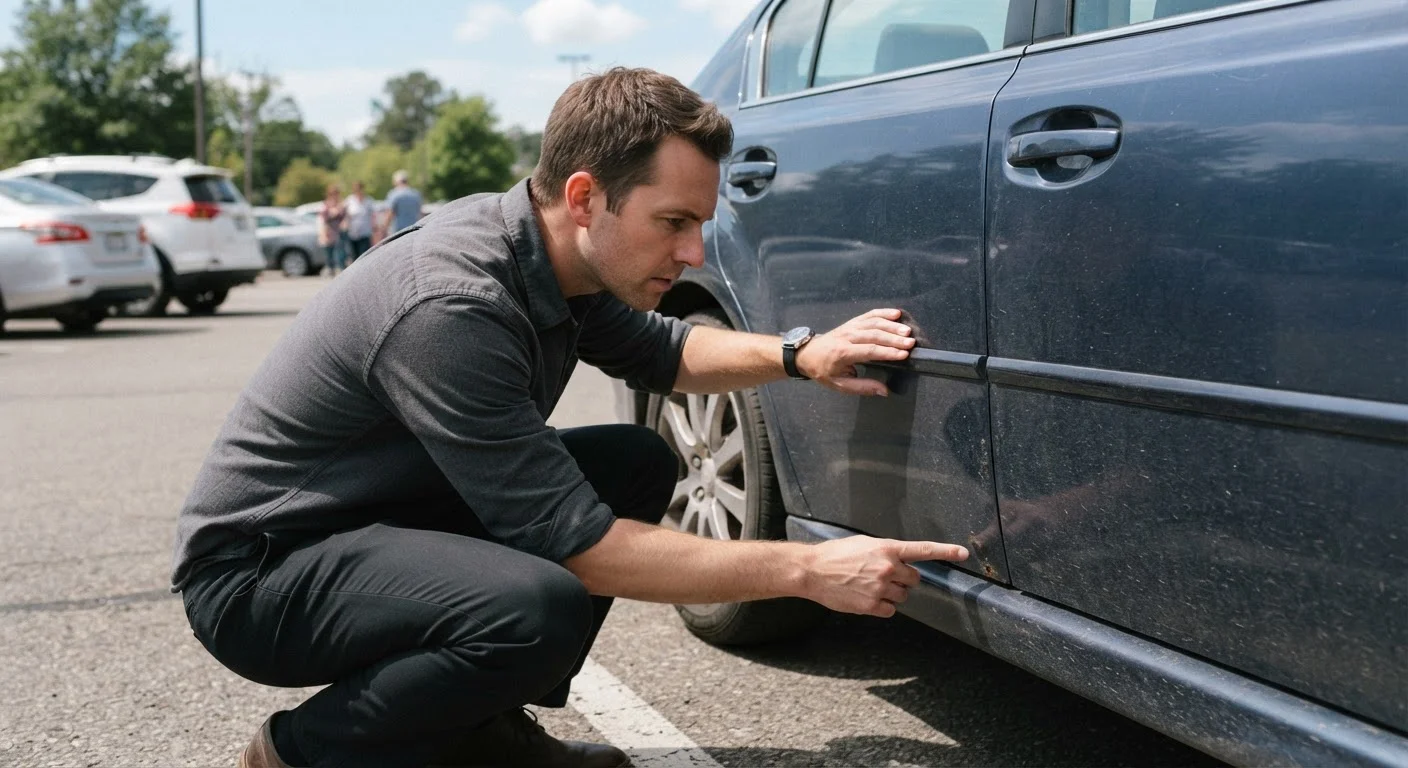
Photo credit: TopInfoTabs.com | Easy Insights For Inspiration
In this article
A practical point-by-point checklist covering the exterior, interior, mechanics, paperwork, and test drive before committing to a used vehicle.
Key Takeaways
- A structured inspection covers exterior condition, interior function, mechanical health, paperwork, and a test drive.
- Always run a vehicle history report using the VIN before committing to any used vehicle.
- A pre-purchase inspection by an independent mechanic is strongly recommended for any serious candidate.
- Incomplete or inconsistent paperwork is a red flag that warrants walking away.
- Never skip the test drive - issues often only reveal themselves under real driving conditions.
Why a Checklist Matters Before You Buy
Buying a used vehicle is one of the larger purchases most people make, and the consequences of skipping a thorough inspection can be significant. Hidden rust, undisclosed accidents, misfiring engines, and title problems are all avoidable - if you know what to look for before you sign anything.
This checklist is designed to help you work through a used car systematically, covering the five areas that matter most: exterior condition, interior function, under-the-hood mechanics, paperwork, and the test drive. For a broader view of the full buying process, see the full car-buying journey.
Use the checklist below as your on-site guide. Bring it with you, work through each group methodically, and don't let enthusiasm or seller pressure cause you to rush.
Exterior Inspection
Interior Inspection
Under the Hood
Vehicle History and Paperwork
Test Drive
Tools You'll Need On-Site
You don't need to be a mechanic to conduct a solid pre-purchase inspection, but a few basic tools will help you do it properly.
Flashlight
Illuminate hard-to-see areas under the vehicle, inside the engine bay, and in the trunk.
Magnet
Detect body filler (Bondo) used to repair rust or accident damage - a magnet will not stick to filler the way it does to steel.
Tire tread depth gauge
Measure remaining tread depth accurately rather than relying on a visual estimate alone.
OBD-II scanner
Read stored diagnostic trouble codes from the vehicle's onboard computer, which may reveal faults the seller hasn't disclosed.
Smartphone
Run a vehicle history report, take photos of the VIN and any issues found, and look up common known problems for the specific make and model.
Once you've gathered your tools and identified a candidate vehicle, plan to spend at least an hour on-site. Rushing any section of the checklist increases the chance of missing something costly. If the vehicle passes your own inspection, the single most valuable next step is a pre-purchase inspection by a qualified independent mechanic - not one the seller recommends.
Paperwork: What to Verify Before You Hand Over Any Money
The physical condition of a car matters, but paperwork problems can be just as costly - or even disqualifying. Title issues, odometer fraud, and undisclosed salvage history are real risks in the used-car market.
Never Skip the VIN Check
A vehicle history report is one of the most important steps in any used-car purchase. It can reveal prior accidents, title brands (such as salvage or flood), odometer rollbacks, and open recalls. Obtain the VIN from the dashboard before you go any further, and run the report through a reputable service before committing any money - including a deposit.
For a detailed breakdown of every document you should expect to receive, see the documents you should receive when buying a car. Once the purchase is complete, maintaining the vehicle properly is the next priority - explore our car maintenance guides to get started on the right foot.
This checklist is for general informational and educational purposes. It does not constitute legal, financial, or mechanical advice. For significant concerns uncovered during your inspection - including title, safety, or structural issues - consult a qualified mechanic, a licensed dealer, or a legal professional as appropriate.

Author
Cars & Driving Editorial Team
Cars & Driving Editorial Team is the collective byline for our editorial team and contributor network. Articles published under this byline or an editorial pen name are researched, written, and reviewed according to our editorial standards for clarity, consistency, and independence before publication.
View all articles →