
The Documents You Should Receive When Buying a Car
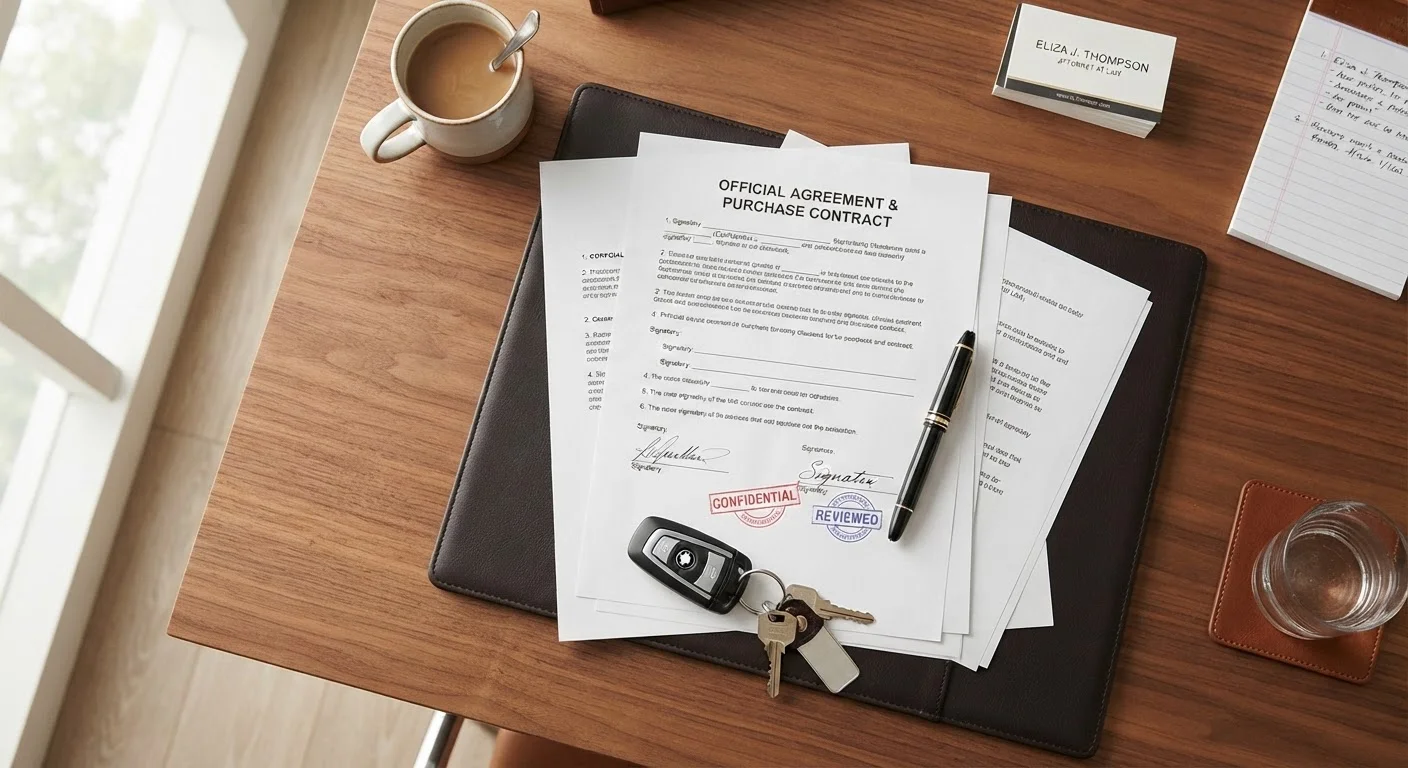
Photo credit: TopInfoTabs.com | Easy Insights For Inspiration
In this article
A reference guide to the paperwork involved in a vehicle purchase — what each document is, why it matters, and what to check before signing.
Why Paperwork Matters as Much as the Car Itself
Signing on the dotted line is the moment a vehicle becomes legally yours - but the documents you receive before and during that moment shape every aspect of the transaction. Errors in paperwork can affect your title, your loan terms, your warranty coverage, and your ability to register the vehicle in your state. Understanding each document gives you the chance to catch mistakes before they become expensive problems.
If you're still in the early stages of the process, our guide for first-time car buyers covers how to set a budget and approach the market with confidence. And for a thorough pre-signing review of used vehicles specifically, see our used car pre-purchase checklist.
| Documents Required in Every State | Bill of sale, certificate of title, odometer disclosure |
| Federal Odometer Requirement | Applies to most vehicles under 10 years old (Federal Odometer Act) |
| Financing Document to Request | Retail installment sales contract with full APR disclosure |
| VIN Appears On | Title, bill of sale, dashboard, and door jamb - all must match |
| Add-On Products | Always optional; require a separate signed contract |
The Core Documents in Every Vehicle Purchase
Whether you're buying new, used, or certified pre-owned, the following documents are standard. Review each carefully - don't let time pressure or excitement push you past this step.
Bill of Sale
This is the primary sales contract. It records the agreed purchase price, the vehicle identification number (VIN), the date of sale, the names of the buyer and seller, and any fees or add-ons included in the deal. Verify that every figure matches what was negotiated verbally and that no new charges have appeared.
Buyer's Order (or Purchase Agreement)
Often presented alongside the bill of sale, the buyer's order itemizes every line charge - sales tax, registration fees, documentation fees, and any dealer-installed accessories. This is where hidden fees most commonly appear. Scrutinize every line and ask for a plain-language explanation of any item you don't recognize.
Certificate of Title
The title establishes legal ownership. With a new vehicle, the dealership transfers a manufacturer's certificate of origin, and the state issues a title after registration. With a used vehicle, the seller's existing title must be signed over to you. Confirm the VIN matches the car and that there are no liens you weren't told about.
Odometer Disclosure Statement
Federal law requires sellers to disclose the vehicle's mileage at the time of sale. This protects buyers against odometer fraud. Confirm the mileage matches what the vehicle's dashboard displayed and what appears in the vehicle history report.
Financing Documents (if applicable)
If you're financing through the dealership, you'll receive a retail installment sales contract detailing the loan amount, interest rate (APR), monthly payment, loan term, and total cost of credit. Never sign until these figures match exactly what you were quoted. This is general information - for guidance tailored to your financial situation, consult a licensed financial adviser.
Warranty Documentation
New vehicles come with a manufacturer's warranty; used vehicles may carry a remaining factory warranty, a dealer warranty, or none at all. The warranty document specifies what is covered, for how long, and under what conditions. Understand what is excluded as carefully as what is included. For a broader look at what each vehicle category offers, see what new, used, and CPO really means.
Bill of Sale
A legal document recording the terms of a vehicle sale, including the purchase price, VIN, and parties involved. It serves as proof of the transaction.
Certificate of Title
The state-issued document that establishes legal ownership of a vehicle. It must be transferred to the buyer's name upon purchase and is required for registration.
Retail Installment Sales Contract
The financing agreement between a buyer and a lender (often arranged through a dealership) that specifies the loan amount, APR, monthly payment, and total repayment cost.
Odometer Disclosure Statement
A federally mandated form on which the seller certifies the vehicle's mileage at the time of sale, intended to protect buyers against odometer fraud.
GAP Waiver
A financial product that covers the difference between a vehicle's actual cash value and the remaining loan balance if the vehicle is declared a total loss. Terms vary by provider.
Lien
A legal claim against a vehicle, typically held by a lender, indicating the vehicle was used as collateral for a loan. A lien must be satisfied before a clean title can transfer to a new owner.
Additional Documents You May Encounter
Depending on your state, the seller, and your financing arrangement, additional paperwork may be part of the deal.
- As-Is Notice: Required in many states for used vehicles sold without a dealer warranty. It confirms you accept the vehicle in its current condition - a significant commitment.
- Trade-In Documentation: If you're trading in a vehicle, you'll sign a separate agreement showing the agreed trade-in value and how it's applied to the purchase.
- GAP Waiver or Agreement: If offered, this covers the difference between what you owe on a loan and what an insurer pays if the car is totaled. Whether it makes sense depends on your individual loan and coverage - consult your insurance provider.
- Add-On Contracts: Extended service contracts, paint protection plans, and similar products are optional and come with their own contracts. These are separate from manufacturer warranties and their terms vary widely.
Once ownership is confirmed, staying on top of routine upkeep becomes the priority. Our car maintenance hub is a practical starting point for keeping your vehicle in good condition.

Author
Cars & Driving Editorial Team
Cars & Driving Editorial Team is the collective byline for our editorial team and contributor network. Articles published under this byline or an editorial pen name are researched, written, and reviewed according to our editorial standards for clarity, consistency, and independence before publication.
View all articles →