
New Car, Used Car, or Certified Pre-Owned: What Each Actually Means
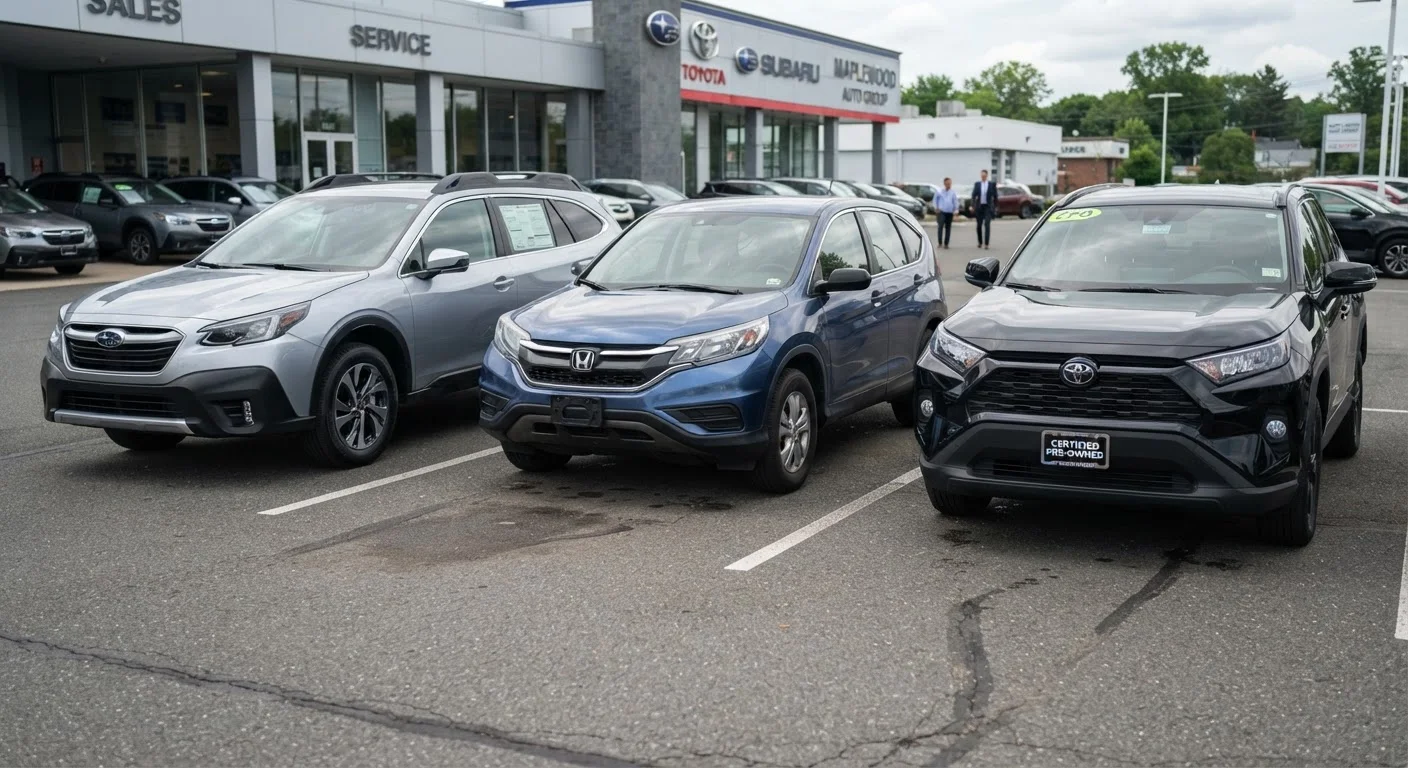
Photo credit: TopInfoTabs.com | Easy Insights For Inspiration
In this article
Understand the real distinctions between new, used, and CPO vehicles — including what protections each category does and doesn't offer.
Key Takeaways
- New cars carry full manufacturer warranties but depreciate most steeply in the first few years of ownership.
- Used cars offer the widest price range but come with the least built-in consumer protection.
- CPO vehicles occupy a middle ground - they offer some warranty coverage, but programs vary widely by manufacturer.
- The term 'certified' on a used car does not always mean manufacturer-backed; dealer certification programs differ substantially.
- Understanding what each category actually includes helps you negotiate more confidently and avoid costly surprises.
What 'New' Really Means - and What It Doesn't
A new car is one that has never been titled to a private owner and is pulled from current-model-year production inventory. It comes with the manufacturer's full original warranty - typically a bumper-to-bumper coverage period and a separate, longer powertrain warranty - and you're the first person responsible for its maintenance history.
That said, 'new' is not the same as 'perfect.' Factory defects exist, and recalls affect new vehicles just as they do older ones. New cars also carry the steepest depreciation curve: a vehicle can lose a notable portion of its market value in the first year simply by being driven off the lot and titled.
Demo vehicles - cars used as loaners or driven by dealership staff - sometimes blur this line. Some are still sold as 'new' depending on state regulations and odometer readings. Always verify the title status and mileage on any vehicle represented as new.
Demo and Loaner Vehicles: A Special Case
Vehicles used as dealer demos or service loaners occupy an ambiguous space. Depending on state law and mileage, they may be sold as 'new' even though they've been driven by multiple people. If you're looking at a demo unit, ask for the mileage, confirm how the title will read, and verify whether the full manufacturer warranty still applies from your purchase date or from the vehicle's original in-service date.
Understanding the Used Car Category
Any vehicle that has been previously titled - whether bought outright, leased, or repossessed - is legally a used car. The category is enormous, spanning vehicles that are barely a year old with low mileage to models a decade or more out of production.
The core trade-off with used vehicles is risk versus price. Because most are sold as-is, the buyer absorbs any pre-existing mechanical issues or undisclosed history. That's why a vehicle history report (which documents past ownership, accidents, and title events) and a pre-purchase inspection by an independent mechanic are essential steps - not optional ones. See our pre-purchase checklist for used cars for a point-by-point guide before you commit.
Private-party sales and dealer sales both fall under this category, but they carry different protections. Some states impose implied warranty rules on dealer sales that don't apply to private transactions - though these are generally narrow in scope.
20%+
Typical first-year depreciation on new vehicles
Industry analysts commonly estimate that new cars can lose more than 20% of their value within the first year, with the steepest drop occurring the moment the vehicle is registered.
100+
Inspection points in many manufacturer CPO programs
Most automaker-backed CPO programs require vehicles to pass a multi-point inspection - some programs list over 100 individual checkpoints - though the specific criteria vary by manufacturer.
CPO Vehicles: What the Certification Actually Covers
Certified pre-owned programs were developed to address the uncertainty that comes with buying used. In a manufacturer-backed CPO program, vehicles must meet specific age and mileage thresholds, pass a multi-point inspection conducted by a franchise dealer, and come with an extended warranty backed by the automaker. That warranty typically supplements any remaining original coverage.
The critical word here is 'manufacturer-backed.' Some dealers create their own in-house certification programs that use the same language - 'certified,' 'inspected,' 'guaranteed' - but provide substantially less protection. These programs may rely on a limited dealer warranty rather than manufacturer support, making them far less reliable if a costly repair arises.
Before accepting a CPO designation at face value, ask specifically: Is this program backed by the manufacturer or the dealership? What is the warranty duration and what does it cover? Is there a deductible? Are there mileage limits on claims? Getting these answers in writing is not optional.
Always Ask Who Backs the CPO Warranty
Before accepting a 'certified' label, ask the dealership to show you the written warranty document and confirm whether it is backed by the manufacturer or the dealership itself. A manufacturer-backed warranty gives you recourse through the automaker's network nationwide; a dealer warranty does not. This single question can save you from a costly misunderstanding.
For a broader look at the paperwork involved in any vehicle purchase, see the documents you should receive when buying a car.
Choosing the Right Category for Your Situation
No category is universally better - each involves a different balance of price, protection, and risk. New vehicles offer the most warranty coverage and the cleanest history, but buyers pay a premium and absorb the steepest early depreciation. Used vehicles offer the broadest price range and the most negotiating room, but require the most due diligence. CPO vehicles sit in between on both dimensions, provided the program is manufacturer-backed.
Your financing situation also interacts with this choice. Manufacturer-backed financing incentives are typically available only on new vehicles, while CPO vehicles sometimes carry their own promotional rates. Understanding how financing terms apply to each category is worth exploring early - our car finance jargon guide breaks down the key terms clearly.
For a full walkthrough of the buying process from initial research to signing paperwork, see the full car-buying journey. Understanding what each vehicle category actually includes is the foundation for every decision that follows.
This article is for general informational purposes only and does not constitute financial or legal advice. Vehicle pricing, warranty terms, and consumer protection laws vary by state and provider. Consult a qualified professional before making purchasing or financing decisions.
Frequently Asked Questions

Author
Cars & Driving Editorial Team
Cars & Driving Editorial Team is the collective byline for our editorial team and contributor network. Articles published under this byline or an editorial pen name are researched, written, and reviewed according to our editorial standards for clarity, consistency, and independence before publication.
View all articles →