
Car Finance Jargon Decoded: APR, PCP, HP, and Balloon Payments
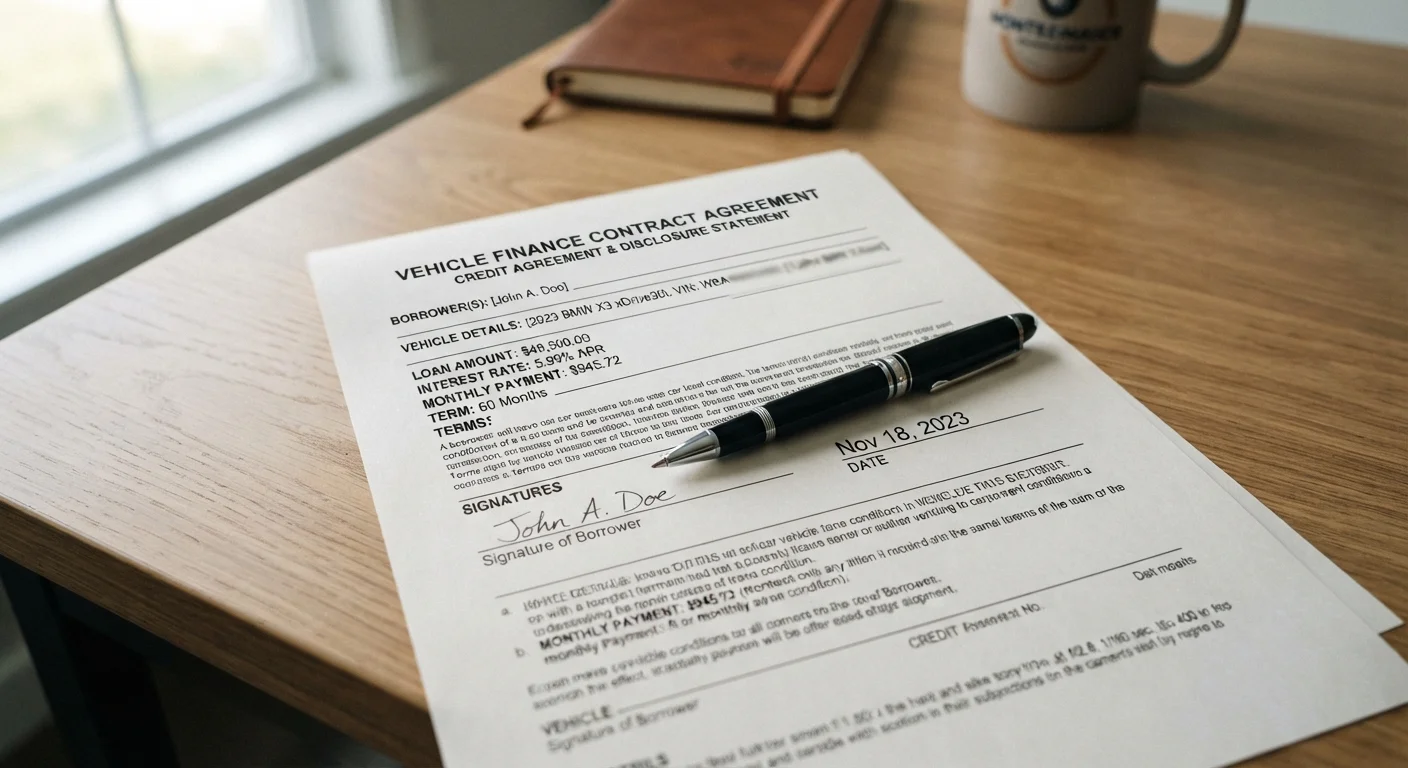
Photo credit: TopInfoTabs.com | Easy Insights For Inspiration
In this article
A plain-language reference to the financing terms you'll encounter when buying a car, so you can compare deals without the confusion.
Why Car Finance Terminology Matters
Walking into a dealership without understanding finance terminology puts you at a real disadvantage. Salespeople and finance managers use terms like APR, PCP, HP, and balloon payment fluently - and if those words blur together for you, it's harder to evaluate whether a deal actually works in your favor.
This reference guide cuts through the jargon so you can compare financing options side by side, ask sharper questions, and avoid the kind of costly misunderstandings that show up in your monthly budget long after you've driven off the lot. For a broader look at how dealership pricing works before you even get to the finance desk, see our guide on how car pricing actually works at a dealership.
| Most common finance structures | HP (Hire Purchase) and PCP (Personal Contract Purchase) |
| Key comparison metric | APR - Annual Percentage Rate |
| Who holds the title during HP/PCP | The lender, until full payoff or balloon payment |
| Balloon payment timing | Due at end of PCP contract term |
| Typical PCP/HP term lengths | 24 to 60 months |
Core Terms Defined
The following are the most common financing terms you'll encounter - understanding each one is foundational before comparing any loan or lease offer.
APR (Annual Percentage Rate)
The yearly cost of borrowing expressed as a percentage. Unlike a simple interest rate, APR includes fees and certain charges, making it the most useful number for comparing loans from different lenders.
HP (Hire Purchase)
A financing structure where you pay fixed monthly installments covering the full vehicle price plus interest. You own the vehicle outright once the final payment is made. The lender holds the title until then.
PCP (Personal Contract Purchase)
A financing agreement where monthly payments cover only the vehicle's depreciation over the contract term. At the end you can pay a balloon payment to own the car, return it, or start a new agreement.
Balloon Payment
A large lump-sum payment due at the end of a PCP agreement, representing the vehicle's Guaranteed Future Value (GFV). It is determined at the start of the contract, not at the end.
GFV (Guaranteed Future Value)
The minimum value the lender guarantees the vehicle will be worth at the end of a PCP term. This figure sets the balloon payment amount and is agreed upon before you sign.
Deposit
An upfront payment made at the start of a finance agreement, reducing the amount you borrow. A larger deposit typically lowers monthly payments and may improve the APR offered.
Flat Rate vs. Reducing Rate
A flat rate calculates interest on the original loan amount for the entire term. A reducing (or declining) rate calculates interest only on the outstanding balance, which falls as you repay - making reducing-rate loans generally cheaper overall.
Term Length
The duration of your finance agreement, typically expressed in months (e.g., 24, 36, or 60 months). Longer terms lower monthly payments but increase the total interest paid.
Note that APR functions similarly whether you're financing a vehicle or carrying a revolving credit balance. Our related article on the real cost of carrying a credit card balance explains how interest compounds in practice - a useful frame for understanding the true cost of any borrowing.
PCP vs. HP: What's the Practical Difference?
Personal Contract Purchase (PCP) and Hire Purchase (HP) are the two most widely offered auto financing structures in the US market and beyond. They look similar on the surface - both involve monthly payments - but they work very differently.
With HP, you're paying down the full value of the vehicle over the loan term. At the end, you own it outright, with no further obligation. Your monthly payments are generally higher than PCP because you're retiring the entire debt.
With PCP, your monthly payments only cover the depreciation in the vehicle's value during your contract term, plus interest. At the end, you face a choice: pay a large balloon payment (the vehicle's guaranteed future value, or GFV) to own the car, return it, or roll into a new PCP deal. Monthly payments are lower, but the balloon can be substantial - often thousands of dollars.
PCP Mileage Limits: Read the Fine Print
Most PCP agreements include an annual mileage cap. Exceeding it triggers per-mile excess charges that can significantly erode the cost advantage of lower monthly payments. Condition requirements at return are also standard - wear and tear beyond the lender's defined thresholds may result in additional charges. Always confirm these terms before signing.
Before deciding which structure fits your situation, it helps to understand what kind of vehicle you're financing. See our overview of new, used, and certified pre-owned vehicles - the finance options available to you often depend on whether the car is new or used.
This article is for general informational purposes only and does not constitute personalised financial or legal advice. Car finance terms, eligibility, and regulations vary by lender, state, and individual circumstance. Consult a licensed financial adviser before making borrowing decisions.

Author
Cars & Driving Editorial Team
Cars & Driving Editorial Team is the collective byline for our editorial team and contributor network. Articles published under this byline or an editorial pen name are researched, written, and reviewed according to our editorial standards for clarity, consistency, and independence before publication.
View all articles →