
Approaching the Car Market for the First Time
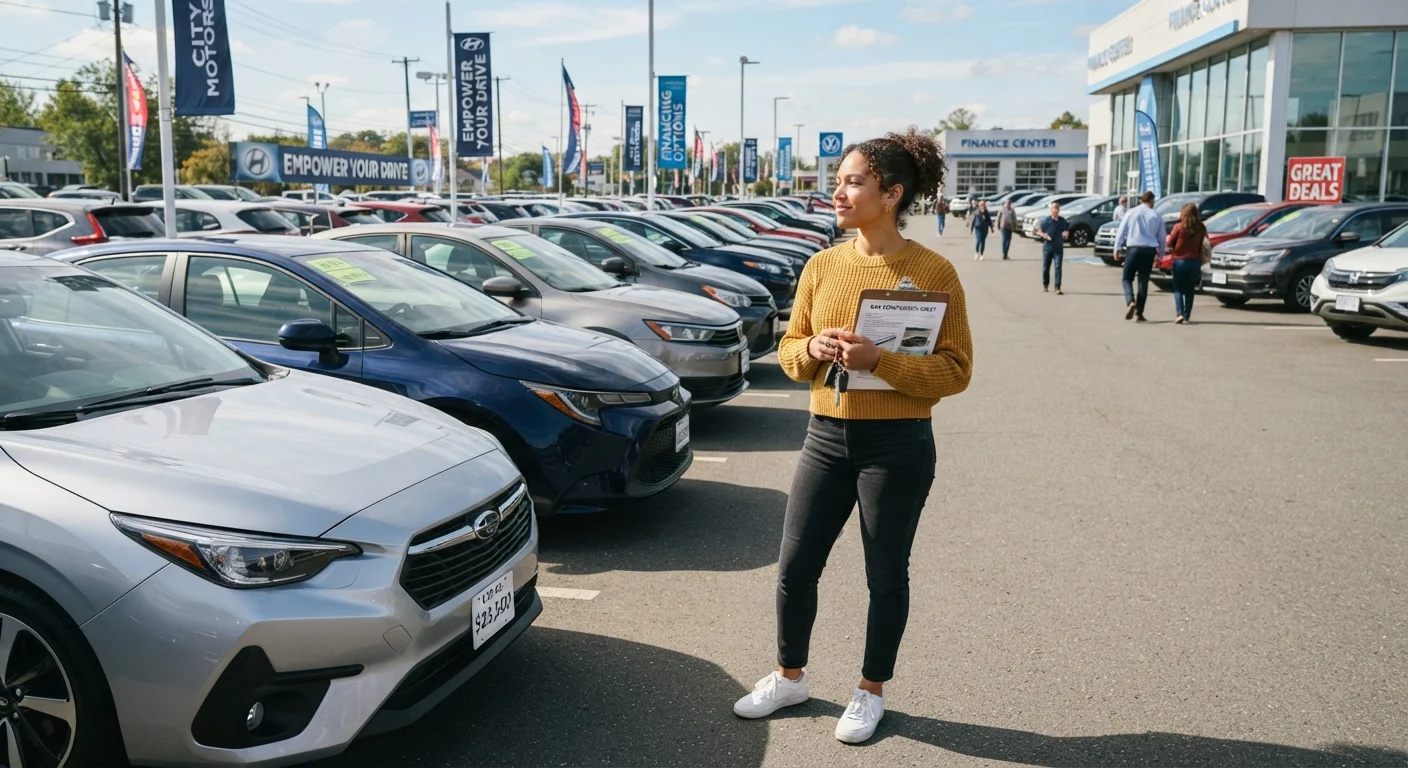
Photo credit: TopInfoTabs.com | Easy Insights For Inspiration
In this article
New to buying a car? This guide explains the whole process from setting a realistic budget to understanding what to look for on the forecourt.
Key Takeaways
- Set a total ownership budget - not just a purchase price - before visiting any dealership.
- Understanding the difference between new, used, and CPO vehicles helps you match protection to your risk tolerance.
- A methodical walkround and test drive can reveal problems that a price tag never will.
- Always review paperwork carefully and know which documents you are entitled to receive.
- First-time buyers most often lose money by focusing on monthly payments rather than total cost.
Setting a Realistic Budget Before You Shop
The single most important step in buying a car happens before you set foot on any forecourt: understanding what you can genuinely afford. Many first-time buyers anchor on a sticker price or a monthly payment without accounting for the full cost of ownership.
Beyond the purchase price, factor in:
- Insurance premiums - which vary significantly by vehicle type, your driving history, and location
- Registration and taxes - state fees, sales tax, and title costs that add to the out-the-door price
- Fuel costs - calculated against your expected annual mileage and the vehicle's fuel economy rating
- Routine maintenance - oil changes, tires, brakes, and scheduled servicing
- Financing costs - if borrowing, the interest paid over the loan term substantially increases total cost
If you are new to managing a major purchase like this, building a solid financial foundation first will serve you well. The Budgeting Basics hub offers straightforward strategies for tracking spending and setting realistic savings targets before you commit to a vehicle.
Get pre-approved before you shop
Approaching a lender - such as your bank or credit union - for pre-approval before visiting a dealership gives you a clear spending ceiling and a benchmark interest rate. This separates the financing conversation from the vehicle price negotiation, which generally works in the buyer's favour. Pre-approval does not obligate you to borrow; it just gives you leverage and clarity.
New, Used, or Certified Pre-Owned?
One of the earliest decisions you will face is which category of vehicle fits your situation. Each comes with a distinct set of trade-offs.
Out-the-door price
The total amount you actually pay for a vehicle, including purchase price, taxes, registration fees, and any dealer charges - not just the sticker price.
Depreciation
The loss in a vehicle's value over time. New cars typically lose a significant portion of their value in the first one to two years of ownership.
Certified Pre-Owned (CPO)
A used vehicle that has passed a manufacturer-defined inspection and comes with a limited extended warranty, typically sold through franchised dealerships.
Pre-purchase inspection
An examination of a used vehicle by an independent, qualified mechanic before the buyer commits to the purchase, used to identify hidden mechanical problems.
Vehicle history report
A report generated from a vehicle's identification number (VIN) that shows recorded ownership history, accident reports, odometer readings, and title status.
APR (Annual Percentage Rate)
The yearly cost of borrowing money expressed as a percentage, including interest and certain fees. A lower APR means less paid in financing costs over the life of a loan.
New vehicles offer the latest safety technology, a full factory warranty, and no unknown history - but they carry a significant depreciation hit in the first year or two of ownership.
Used vehicles are priced lower and have already absorbed that initial depreciation curve, but they require more due diligence. History reports, inspection records, and a pre-purchase inspection become essential tools. The New Car, Used Car, or Certified Pre-Owned guide explains the real-world protections - and gaps - in each category.
Certified pre-owned (CPO) vehicles sit between the two: manufacturer-inspected used cars sold with a limited extended warranty. They typically cost more than comparable non-certified used vehicles, but the additional protections may be worth it for buyers who want some peace of mind without paying new-car prices.
What to Look for on the Forecourt
Walking around a vehicle with intention separates informed buyers from those who rely on hope. Develop a consistent routine for every car you evaluate seriously.
Exterior inspection
Look along body panels from a low angle for ripples or inconsistent paint sheen - these can signal previous bodywork after a collision. Check that panel gaps are even around doors, hood, and trunk. Uneven gaps may indicate structural repairs. Inspect tires for uneven wear, which can suggest alignment or suspension issues.
Interior inspection
Check all controls, windows, mirrors, and seat adjustments. Look for water stains on carpets or headliner, which can indicate past flooding. Test all warning lights on startup - they should illuminate briefly, then clear.
Under the hood
Even without mechanical expertise, you can check fluid levels and look for obvious leaks, corrosion, or jerry-rigged repairs. A clean, well-maintained engine bay is generally a positive indicator.
For a point-by-point checklist before committing to any used car, see our Pre-Purchase Checklist for Any Used Car. And when it comes to the test drive itself, our guide on what to look for during a used car test drive walks through how to use those minutes diagnostically.
Navigating the Paperwork
The paperwork stage is where many first-time buyers feel most out of their depth - and where costly errors or misunderstandings tend to occur. Do not let time pressure or social discomfort rush you through documents you have not read.
Key documents in a typical vehicle purchase include the bill of sale, the vehicle title, any warranty agreements, financing contracts if applicable, and the odometer disclosure statement on used vehicles. For a full explanation of what each document is, why it exists, and what to verify before signing, refer to our dedicated reference: The Documents You Should Receive When Buying a Car.
Never sign documents you haven't read
Dealership finance offices can move quickly, and it is easy to sign multiple documents without fully understanding each one. Ask for time to read every page and request plain-language explanations for anything unclear. Any add-on products - such as extended warranties, paint protection, or gap insurance - are typically optional and should be evaluated carefully, not accepted by default.
If you want a complete picture of the full buying journey from research through to driving away, the Full Car-Buying Journey guide covers every stage in sequence.
Common Mistakes First-Time Buyers Make
Experience is expensive to acquire the hard way. Most first-time buyer mistakes fall into a handful of predictable patterns.
- Focusing on monthly payment rather than total cost - a lower monthly payment can hide a longer loan term and significantly more interest paid overall
- Skipping the independent inspection - a mechanic's inspection fee is minor compared to the repair bills it can help you avoid
- Not getting pre-approved for financing - knowing your rate before you negotiate keeps the conversation focused on vehicle price, not payment structure
- Deciding under time pressure - urgency rarely benefits the buyer; walking away and returning is almost always an option
- Ignoring the total cost of ownership - a vehicle that seems affordable at purchase can become a financial burden once insurance, fuel, and maintenance are factored in
For a more detailed look at where first-time buyers consistently go wrong, our article on things first-time car buyers consistently get wrong covers the most common and costly missteps in depth.
Frequently Asked Questions

Author
Cars & Driving Editorial Team
Cars & Driving Editorial Team is the collective byline for our editorial team and contributor network. Articles published under this byline or an editorial pen name are researched, written, and reviewed according to our editorial standards for clarity, consistency, and independence before publication.
View all articles →