
Things First-Time Car Buyers Consistently Get Wrong
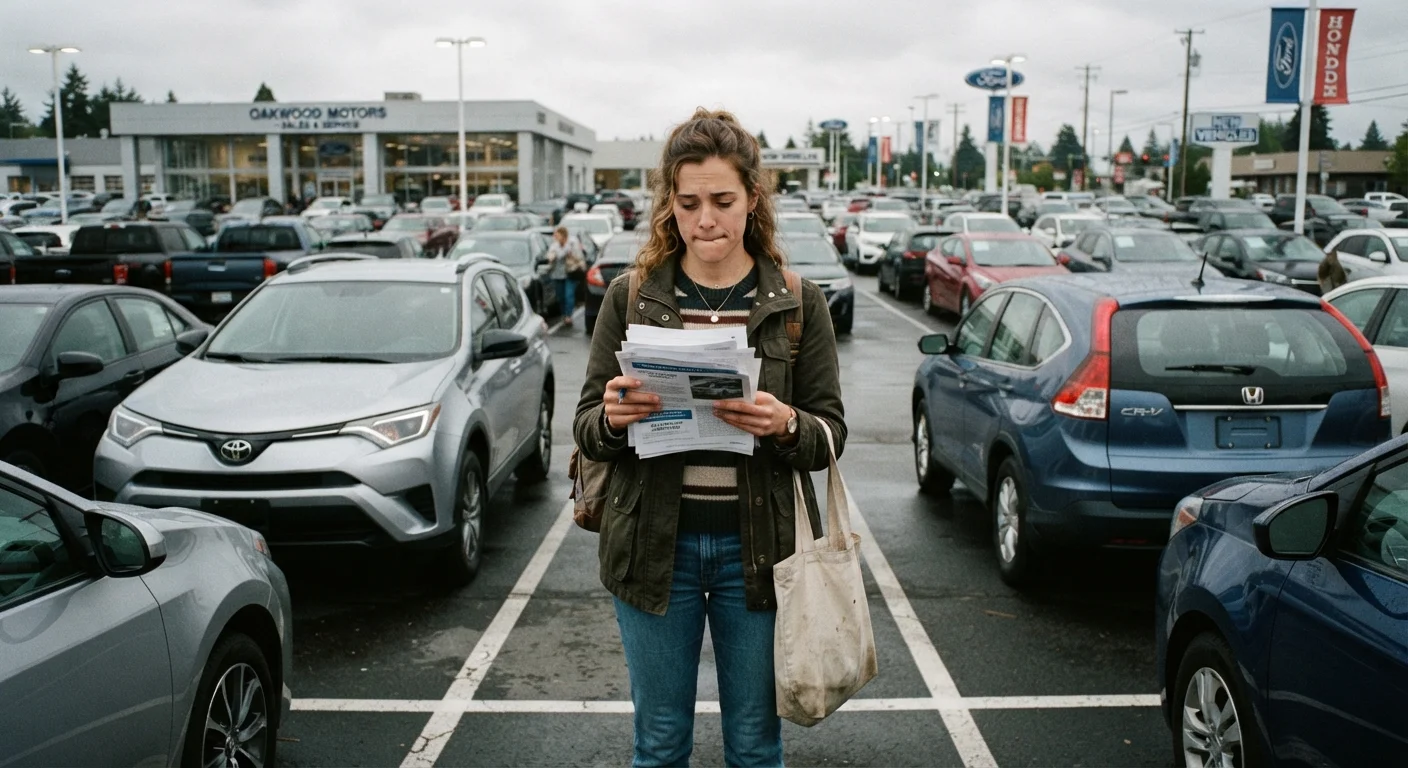
Photo credit: TopInfoTabs.com | Easy Insights For Inspiration
In this article
From fixating on monthly payments to skipping the independent inspection, these are the missteps that cost new buyers the most.
Key Takeaways
- Focusing only on monthly payments can obscure the true total cost of a vehicle loan.
- Skipping a pre-purchase inspection on a used car is one of the most expensive mistakes buyers make.
- Getting pre-approved for financing before visiting a dealer puts you in a stronger negotiating position.
- Understanding the full cost of ownership - insurance, fuel, maintenance - is essential before committing.
- Emotional attachment to a specific vehicle weakens your ability to negotiate or walk away.
Why First-Time Buyers Are Especially Vulnerable
Buying a car for the first time is a high-stakes transaction that most people navigate without formal preparation. The dealership environment is designed to move quickly, and without a clear framework, it's easy to make decisions that look fine on the surface but cost significantly more over time. Understanding where buyers commonly go wrong is the single most effective form of preparation you can do.
For a comprehensive walkthrough of every stage in the process, see our full car-buying journey guide. This article focuses specifically on the mistakes - the predictable, avoidable errors that show up again and again with first-time buyers.
Fixating on the monthly payment instead of the total loan cost.
Why it happens: Monthly payments feel tangible and manageable, making it easy to lose sight of how loan term length and interest rate multiply into the full amount paid.
Skipping pre-purchase financing research and accepting the dealer's first offer.
Why it happens: First-time buyers often don't realize they can - and should - arrange financing independently before stepping into a dealership.
Failing to account for the full cost of ownership beyond the purchase price.
Why it happens: Buyers naturally focus on the sticker price and miss ongoing costs: insurance premiums, fuel, scheduled maintenance, registration fees, and potential repairs.
Skipping an independent pre-purchase inspection on a used vehicle.
Why it happens: Buyers trust the seller's assurances or a dealer's certification without verifying the vehicle's actual condition through an unbiased professional.
Letting emotional attachment to a specific vehicle override sound judgment.
Why it happens: Once a buyer has mentally committed to a particular car - its color, features, or status - walking away feels like a loss rather than a rational option.
Neglecting to check the vehicle history report and title status on used cars.
Why it happens: Buyers assume a presentable car and a cooperative seller mean a clean history, without verifying records independently.
The Financial Mistakes That Linger Longest
Of all the errors first-time buyers make, financial missteps tend to have the longest-lasting consequences. A vehicle purchase is often the second-largest financial commitment a person makes, and structuring it poorly can affect your budget for years.
The Monthly Payment Trap Is Real
Dealers can stretch a loan term to make almost any car seem affordable on a monthly basis. A longer loan term typically means paying significantly more in total interest - and potentially owing more than the car is worth mid-loan. Always calculate the total cost of the loan, not just the monthly figure, before agreeing to financing terms.
Beyond the loan itself, many buyers underestimate how dramatically insurance costs can vary by vehicle. A car that fits your payment budget may push your insurance premium well beyond what you planned. Get actual insurance quotes for any vehicle you're seriously considering before finalizing your decision. For more on what's commonly misunderstood about auto insurance, our article on common insurance misconceptions is worth reviewing.
~43%
New car buyers who don't research financing in advance
Consumer Financial Protection Bureau research has indicated that a significant share of auto loan borrowers do not shop around for financing before visiting a dealership.
$1,000+
Typical hidden repair costs uncovered by pre-purchase inspections
Independent mechanic surveys consistently find that many used vehicles presented for sale carry undisclosed mechanical or structural issues worth hundreds to thousands of dollars to address.
It's also worth recognizing that the same emotional and cognitive traps that affect first-time car buyers show up in other major financial decisions - the car-buying myths that cost buyers money article covers several beliefs that lead buyers to make structurally poor financial choices during the purchase process.
Protecting Yourself on Used-Car Purchases
Used vehicles introduce an additional layer of risk that new buyers are often unprepared for. Unlike a new car, a used vehicle comes with an unknown history - and sellers, whether private or commercial, have limited obligation to proactively disclose everything they know.
Never Skip the Independent Inspection
A used vehicle that looks clean and drives fine on a test route can still have hidden structural damage, flood history, or impending mechanical failures. Paying a qualified, independent mechanic - not one recommended by the seller - for a pre-purchase inspection typically costs far less than the repairs it may uncover. This step is non-negotiable on any private-party or dealership used-car purchase.
Beyond the physical inspection, always verify the vehicle's title status and history report before committing. A salvage or rebuilt title designation affects insurability, resale value, and safety - none of which will be obvious from a test drive. If you're still getting oriented to the used-car landscape, our guide to approaching the car market for the first time covers what to look for from the earliest stages of your search.
Once you've made your purchase, the relationship with your vehicle is just beginning. Consistent upkeep is what protects your investment long term - our car maintenance hub covers the essential routines every owner should know.
This article provides general educational information for consumers researching vehicle purchases. It does not constitute financial, legal, or professional mechanical advice. For decisions involving significant financial commitments, consult qualified professionals as appropriate.

Author
Cars & Driving Editorial Team
Cars & Driving Editorial Team is the collective byline for our editorial team and contributor network. Articles published under this byline or an editorial pen name are researched, written, and reviewed according to our editorial standards for clarity, consistency, and independence before publication.
View all articles →