
Movement Snacks: Fitting Physical Activity Into a Busy Day
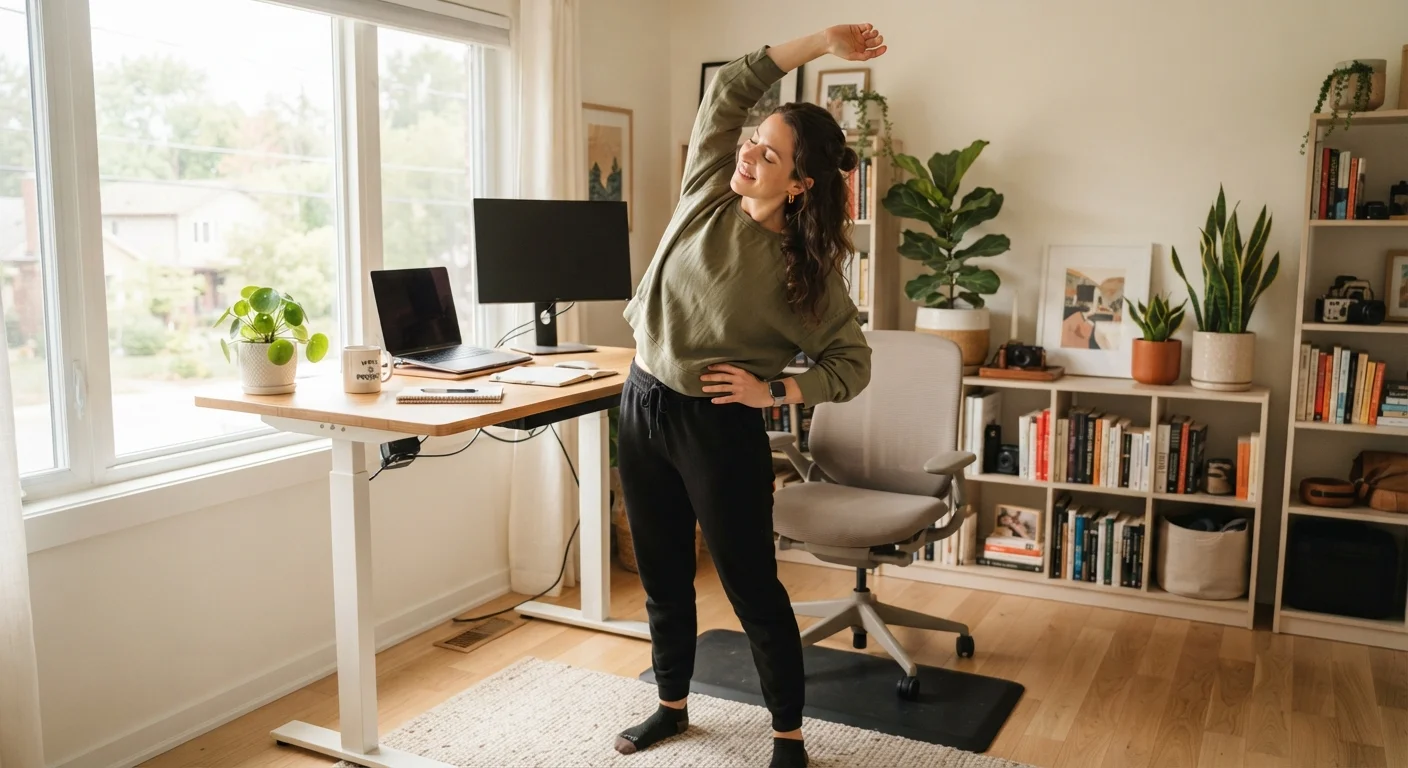
Photo credit: TopInfoTabs.com | Easy Insights For Inspiration
In this article
Short bursts of movement spread across the day can contribute meaningfully to overall activity levels. Here's what movement snacking is and how to use it.
Key Takeaways
- Short activity bursts of one to ten minutes can meaningfully contribute to your daily movement total.
- Movement snacks are especially useful for people with desk-heavy schedules or limited free time.
- Consistency across the day matters more than the intensity of any single movement snack.
- Practical options include stair climbing, bodyweight exercises, walking, and stretching.
- Movement snacking complements - but doesn't necessarily replace - longer structured exercise sessions.
What Movement Snacking Actually Means
The word "snack" does real work here. Just as a snack bridges the gap between meals, a movement snack bridges the gap between sedentary stretches of your day. It's not about squeezing in a mini-workout or feeling guilty about missing the gym - it's about recognizing that physical activity doesn't have to come in one neat, scheduled block to count.
This approach is particularly relevant in an era of prolonged desk work, long commutes, and packed schedules. When a full workout feels out of reach, movement snacking offers a realistic alternative that fits into the day as it actually exists, not as you wish it were. If you're returning to regular movement after time away, this mindset can also ease the transition - see our guide to starting exercise after a long break for related strategies.
~25%
U.S. adults meeting aerobic activity guidelines
According to CDC physical activity data, roughly one in four U.S. adults meets federal aerobic activity recommendations - highlighting the gap movement snacking may help address.
6-8 hrs
Average daily sitting time for U.S. adults
Research consistently finds most working-age American adults spend the majority of their waking hours sedentary, underscoring why breaking up sitting matters.
1-10 min
Typical duration of a movement snack
Studies examining "exercise snacks" have tested bouts in this range, with even the shortest durations showing measurable physiological responses.
What the Research Suggests
Studies examining short activity bouts have found associations with improvements in blood glucose levels, cardiovascular markers, and even cognitive performance during the workday. One area of particular interest is the interruption of prolonged sitting, which has independently been linked to metabolic risk in research literature - separate from total activity levels.
Importantly, some research suggests that accumulated activity - movement spread across the day in multiple short bouts - can produce fitness benefits comparable to the same total duration of continuous exercise for certain health markers. This doesn't mean intensity is irrelevant, but it does challenge the idea that only long uninterrupted sessions are worthwhile. For more on why steady, moderate effort often wins out over sporadic intensity, our article on why consistency beats intensity for long-term fitness explores this in depth.
This article provides general health information only and is not a substitute for advice from a qualified healthcare professional.
Practical Ways to Build Movement Snacks Into Your Day
The best movement snack is one you'll actually do. Here are common formats that work well across different settings:
- Stair climbing: Taking stairs instead of elevators, or doing a few extra flights deliberately, is a low-barrier option that elevates heart rate quickly.
- Bodyweight circuits: Ten squats, ten push-ups, and ten lunges take under three minutes and require no equipment.
- Walking breaks: A five-minute walk - even indoors - interrupts sitting and contributes to daily step counts. Walking is often underestimated as exercise, but research highlights its real value for cardiovascular health.
- Stretching and mobility work: A short sequence targeting the hips, shoulders, or back can address the postural strain of desk work while keeping the body moving.
Make Your Environment Work for You
Position a yoga mat or resistance band visibly in your workspace as a physical prompt to move. Environmental cues are one of the most reliable behavior-change tools - if the mat is rolled out and in sight, the barrier to using it drops significantly. Small setup choices like this can make movement snacking feel automatic rather than effortful.
The simplest system is to set a recurring reminder - every 45 to 60 minutes - as a cue to stand up and move. Over time, these breaks often become habitual and require less prompting.
For those interested in building a fuller routine around accessible, gym-free activity, our guide to building a weekly movement routine without a gym provides a structured starting framework.
Frequently Asked Questions

Author
Health & Wellness Editorial Team
Health & Wellness Editorial Team is the collective byline for our editorial team and contributor network. Articles published under this byline or an editorial pen name are researched, written, and reviewed according to our editorial standards for clarity, consistency, and independence before publication.
View all articles →