

Health & Wellness Editorial Team
Health & Wellness Editorial Team is the collective byline for our editorial team and contributor network. Articles published under this byline or an editorial pen name are researched, written, and reviewed according to our editorial standards for clarity, consistency, and independence before publication.

Building a Weekly Movement Routine Without a Gym Membership
A structured weekly movement plan is achievable entirely outside a gym. Learn how to organise your week around realistic…

Fitness Goals That Hold Up Over Time
Poorly framed goals are one of the quietest obstacles in fitness. Explore how to set intentions that remain motivating m…

Home Workouts vs. Gym Sessions: What Changes and What Doesn't
Location shapes your options, but does it limit your results? A practical comparison of exercising at home versus in a g…

Mobility vs. Flexibility: Understanding the Difference
Mobility and flexibility are often used interchangeably, but they describe different qualities. Here's what sets them ap…

Movement Snacks: Fitting Physical Activity Into a Busy Day
Short bursts of movement spread across the day can contribute meaningfully to overall activity levels. Here's what movem…

Progressive Overload: The Principle Behind Getting Stronger Over Time
Progressive overload is the core idea behind long-term fitness progress. This explainer breaks down what it means and ho…

Rest Days in a Fitness Routine: What Recovery Actually Involves
Rest is a legitimate part of any training plan, not an absence of effort. Here's what happens physiologically on rest da…

Sedentary Work and Physical Health: What Extended Sitting Does to the Body
Many people spend the majority of their day seated. Here's a factual look at what prolonged sitting involves physiologic…

Signs Your Exercise Routine Needs Adjusting
Plateaus, persistent fatigue, and waning motivation can all signal it's time to reassess. A checklist of indicators that…

Starting Exercise After a Long Break
Returning to regular movement after months or years away doesn't have to be daunting. A practical guide to rebuilding fi…

Strength Training vs. Cardio: Choosing the Right Balance
Neither strength work nor cardio is inherently superior. Here's how to weigh both and find a split that fits your goals …

The Real Reasons People Abandon Fitness Habits
Most exercise routines don't fail because of laziness. Explore the common patterns that derail consistency and what actu…

Walking as Exercise: What the Research Actually Suggests
Walking is often underestimated as a fitness tool. A look at what movement science says about its role in cardiovascular…

Warming Up and Cooling Down: What Actually Serves a Purpose
Not all warm-up and cool-down routines are equally effective. A look at what the evidence supports and what you can reas…

Why Consistency Beats Intensity for Long-Term Fitness
Many people push hard early then burn out. Understanding why moderate, regular movement tends to outlast intense sporadi…

Zone 2 Cardio: The Low-Intensity Training Method Worth Understanding
Zone 2 cardio has gained attention among endurance athletes and everyday exercisers alike. Here's what it means and why …

A Practical Introduction to Macronutrients
Proteins, carbohydrates, and fats explained clearly — what each does in the body and why none of them deserve to be demo…

Common Nutrition Myths That Refuse to Die
From carbs being the enemy to detox cleanses — separating persistent diet folklore from what the evidence actually suppo…

Eating Well on a Tight Budget: What the Evidence Supports
Nutritious eating doesn't require premium prices. Explore cost-effective staples and practical habits grounded in dietar…

Fibre: The Nutrient Most People Aren't Eating Enough Of
What dietary fibre is, why it matters for digestion and long-term health, and realistic ways to get more of it through f…

Hidden Sugar in Everyday Foods
Sauces, yoghurts, cereals, and drinks — where added sugars quietly accumulate and how to spot them on an ingredients lis…

Intermittent Fasting: What It Is, What It Isn't, and Who Should Think Twice
An honest look at intermittent fasting — the proposed mechanisms, the limitations of current research, and important cav…

Meal Planning Without the Overwhelm
A straightforward approach to planning weekly meals — covering structure, flexibility, and how to avoid decision fatigue…
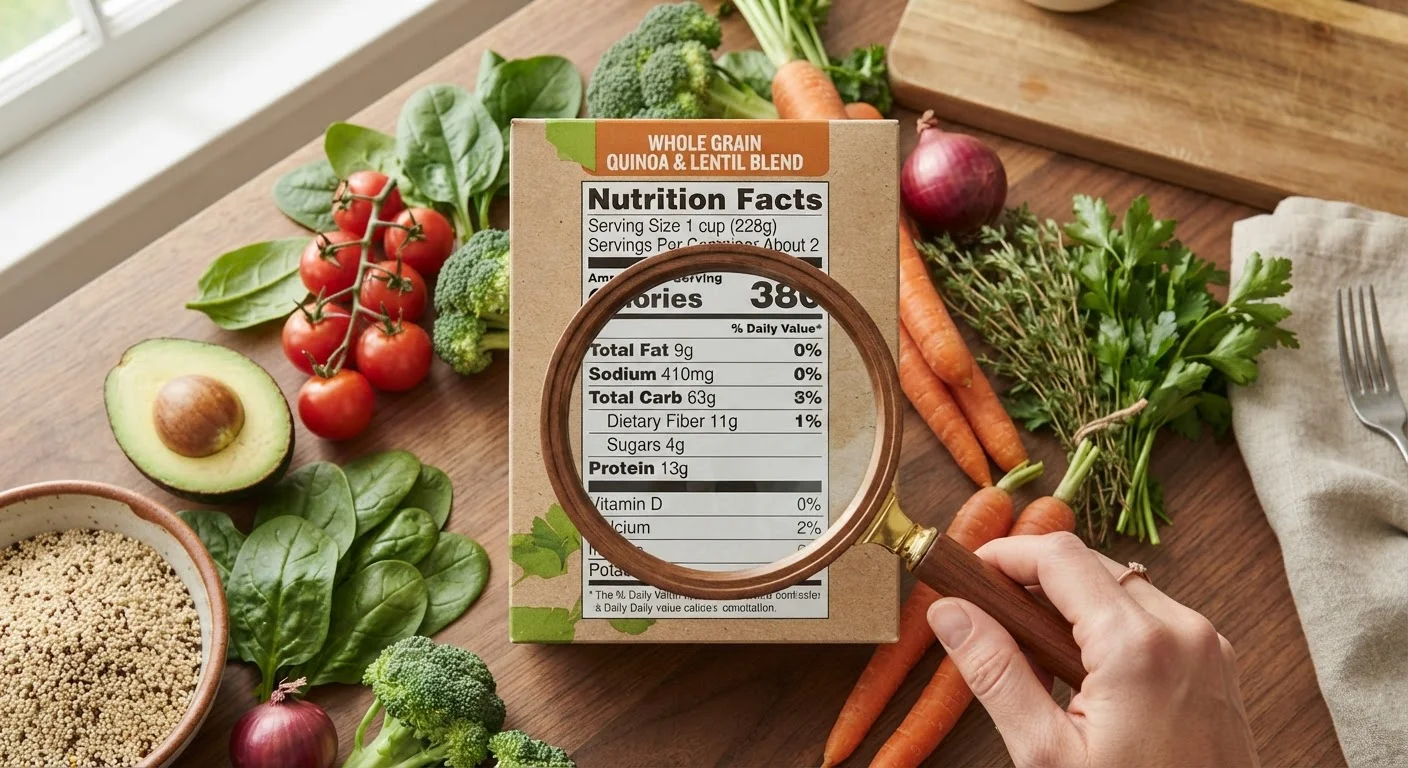
Nutrition Label Literacy: Reading the Fine Print on Packaged Food
Serving sizes, daily values, ingredient order — what every consumer should understand before trusting a nutrition panel.…

Nutrition Through Every Life Stage: What Changes and Why
From childhood to older adulthood, nutritional needs shift considerably. An overview of key changes and what they mean f…

Plant-Based Protein Sources and How They Compare to Animal Protein
A factual comparison of protein completeness, bioavailability, and practical sourcing across plant and animal food group…

The Grocery Shop That Sets You Up for a Healthier Week
A practical checklist for building a weekly shop around nutritional balance — from store navigation to what to keep stoc…

What a Balanced Plate Actually Looks Like
Beyond food pyramids and portion charts — a clear, practical breakdown of what nutritional balance means at every meal.…

Where People Go Wrong When Trying to Eat More Vegetables
Buying more veg is the easy part. The real barriers are preparation, palatability, and habit — and they're more fixable …
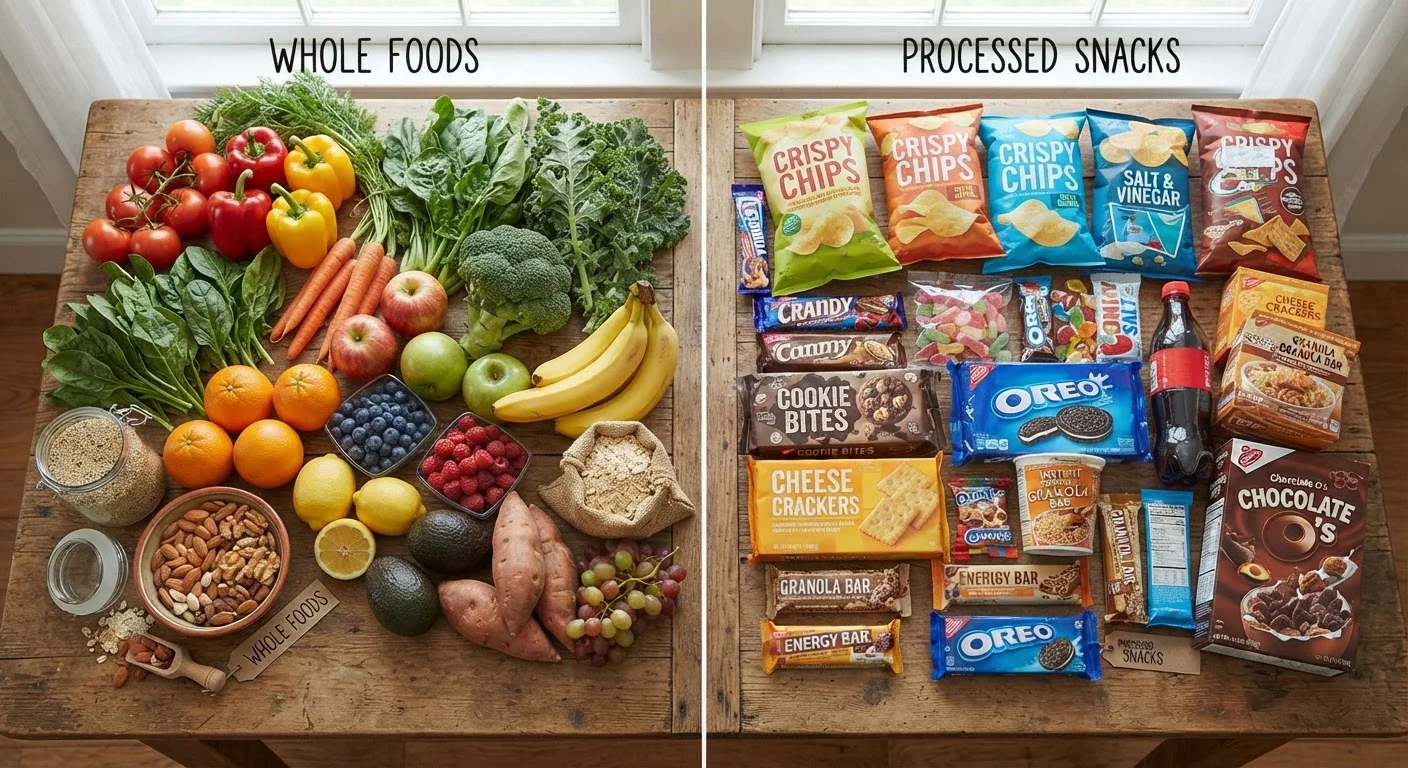
Whole Foods vs Ultra-Processed Foods: Understanding the Spectrum
Not all packaged food is equal. Learn where foods fall on the processing spectrum and what that means for your everyday …

Why Eating Patterns Matter as Much as Individual Foods
Focusing on single superfoods misses the bigger picture. Here's why your overall dietary pattern is what nutritionists a…

Why Most Popular Diets Work - and Why Most People Quit Them
A look at the shared mechanisms behind trending diets, and the psychological and practical reasons adherence tends to co…

A Mental Well-Being Check-In: Questions Worth Asking Yourself Regularly
Regular self-reflection can help you notice early warning signs and track how you're really feeling. Use this checklist …

Breathwork vs. Meditation: Choosing the Right Calm-Down Practice for You
Both breathwork and meditation can ease stress, but they work differently. See how each approach compares so you can pic…

Building Emotional Wellbeing Over Time: A Practical, Evidence-Informed Framework
From understanding stress triggers to fostering connection and rest, this guide covers the full landscape of sustainable…

Digital Tools for Mental Well-Being: Weighing Up the Case For and Against
Apps and online programmes for mental health are increasingly popular. This balanced overview covers what they can and c…

Everyday Mental Health Habits That Take Under Five Minutes
Small, consistent actions can support emotional wellbeing over time. These brief daily practices are grounded in psychol…

Getting Started with Mindfulness When You Find It Frustrating
Mindfulness isn't about emptying your mind. This beginner's guide explains what it really involves and how to build a pr…

Journaling for Mental Clarity: Moving from Blank Page to Useful Habit
Explore how regular journaling can help you process emotions, spot patterns, and build self-awareness — without needing …

Setting Emotional Boundaries Without Feeling Guilty About It
Boundaries protect your mental energy, but many people struggle to maintain them without guilt. Learn practical ways to …

Sleep and Mental Health: The Two-Way Relationship Most People Underestimate
Poor sleep affects mood, and poor mental health disrupts sleep. This article explains the cycle and shares general strat…

Social Media and Mental Health: What the Research Actually Shows
The relationship between social media use and wellbeing is more nuanced than headlines suggest. Here's what current rese…
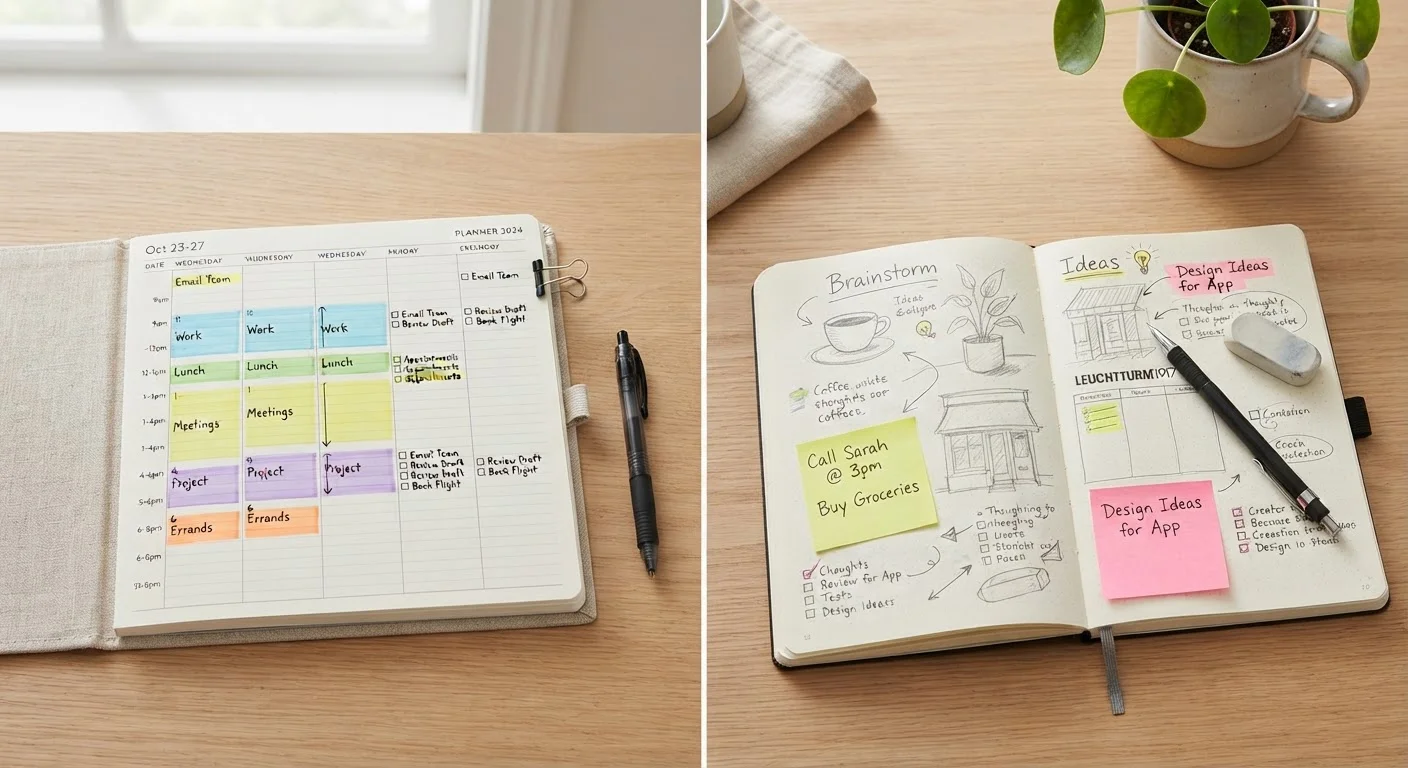
Structured Routines vs. Flexible Schedules: What Works Better for Mental Health?
Rigid routines offer predictability; flexibility offers freedom. This comparison explores how each approach affects mood…

The Science Behind Why Stress Feels Physical
Tension, fatigue, a racing heart — stress leaves marks on the body. Understand the biological link between psychological…

Things People Get Wrong About Therapy - and What It's Actually Like
Many people avoid therapy based on myths. This article separates common misconceptions from evidence-based facts to help…
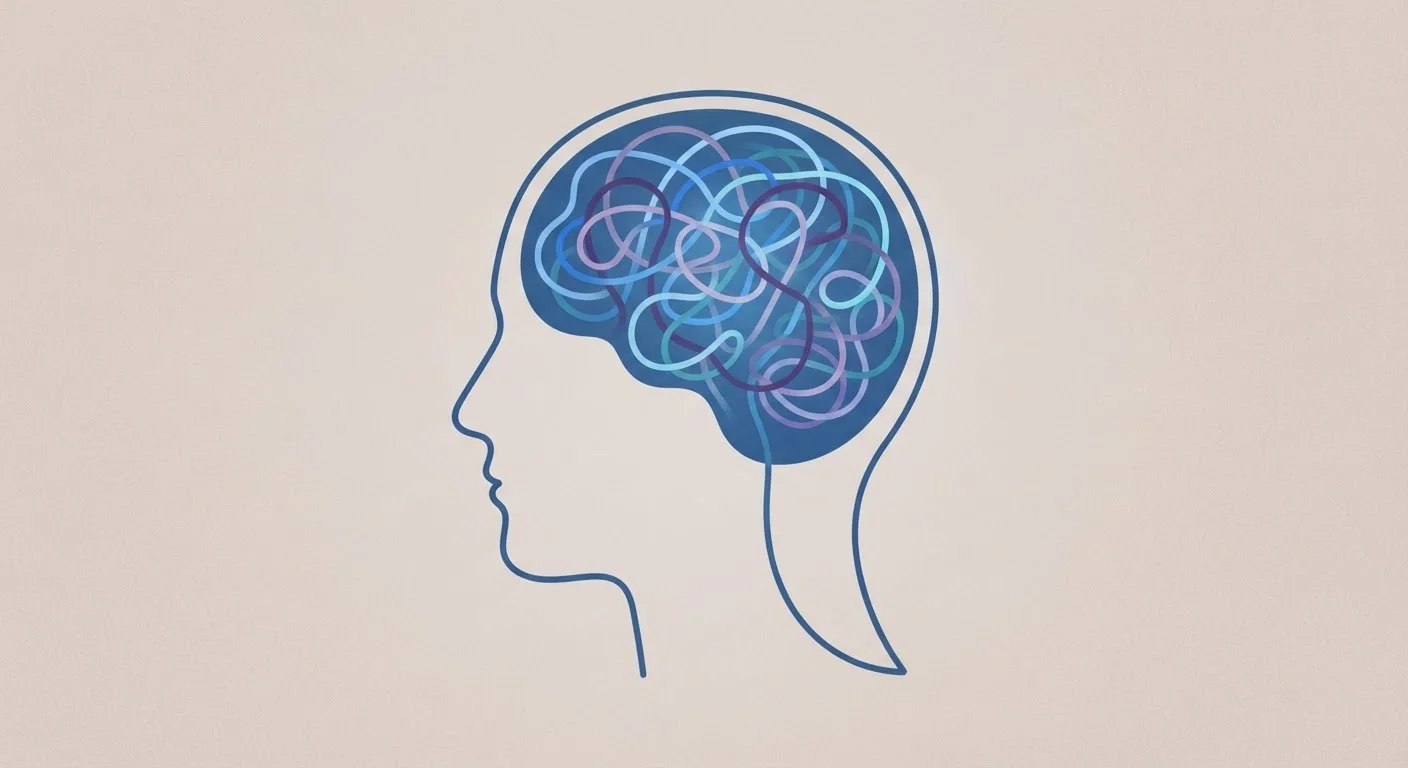
Understanding Cognitive Distortions: The Thought Patterns That Skew How You See the World
Cognitive distortions are habitual thinking errors that can worsen anxiety and low mood. Learn to recognise the most com…

What Emotional Resilience Actually Means - and Why It's Not About Being Tough
Emotional resilience is widely misunderstood. This explainer unpacks what it really involves and how it differs from sim…

Why 'Just Think Positive' Is Unhelpful Advice - and What to Try Instead
Toxic positivity can minimise real struggles. Understand why forced optimism can backfire and what more balanced emotion…